
For double-bridle sample development
Bradoon and Curb Sourcing for Double Bridles
Develop a double-bridle range with a clearly specified bradoon and curb. We manufacture horse bits from customer drawings and support your logo, with each assembly reviewed separately and then together. Bring the intended bridle, curb drawing or sample and required sizes. We can use those details to agree the two-product sample scope before a matched sourcing set is selected.
Give Each Bit Its Own Complete Identity
Give each bit a complete identity before bringing the pair together. Relia manufactures horse bits and accepts your drawings and logo. We review the two mouthpieces, cheeks, leather connections and supplied parts, helping your team build a combined sample discussion around the intended bridle rather than two similar product names.
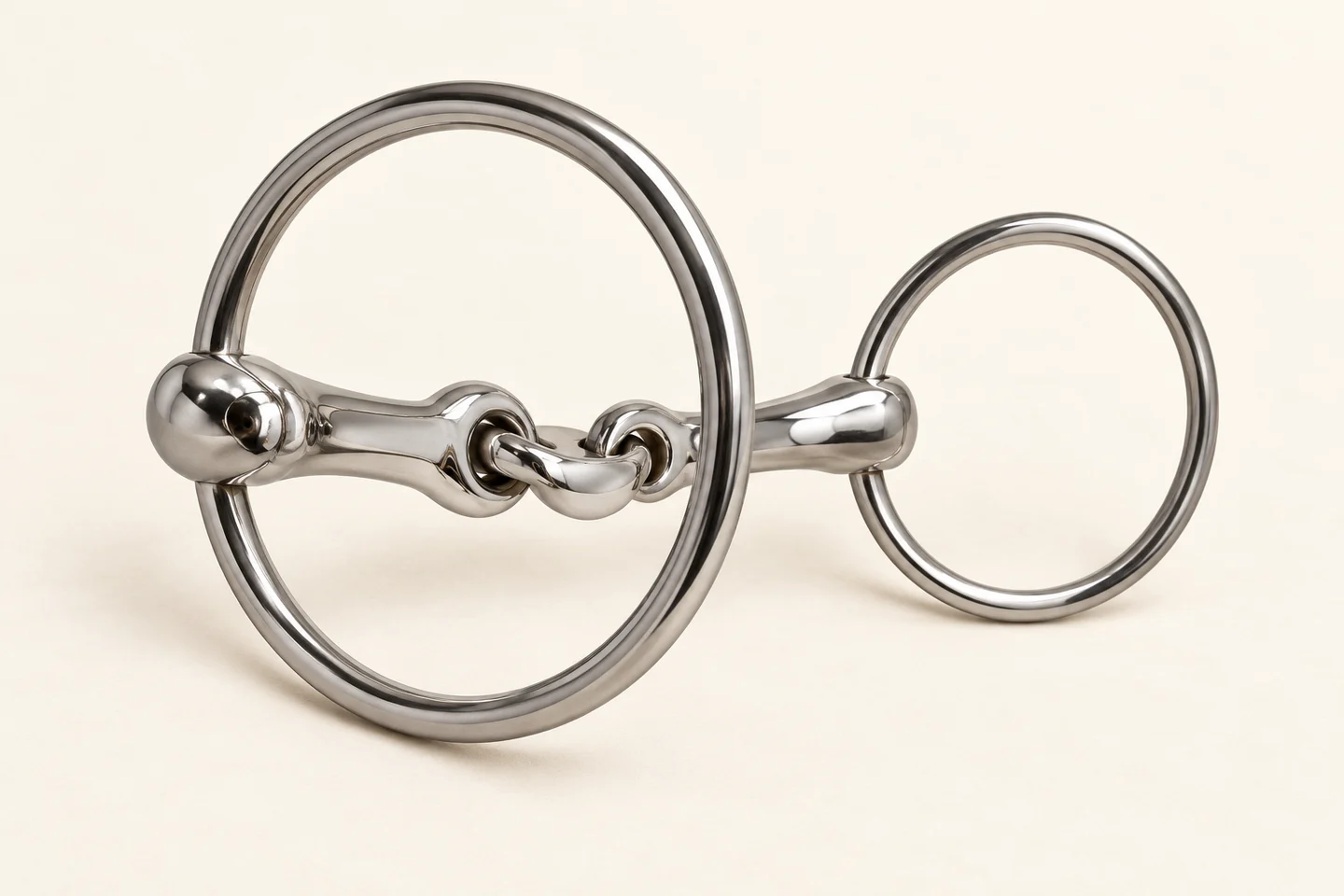
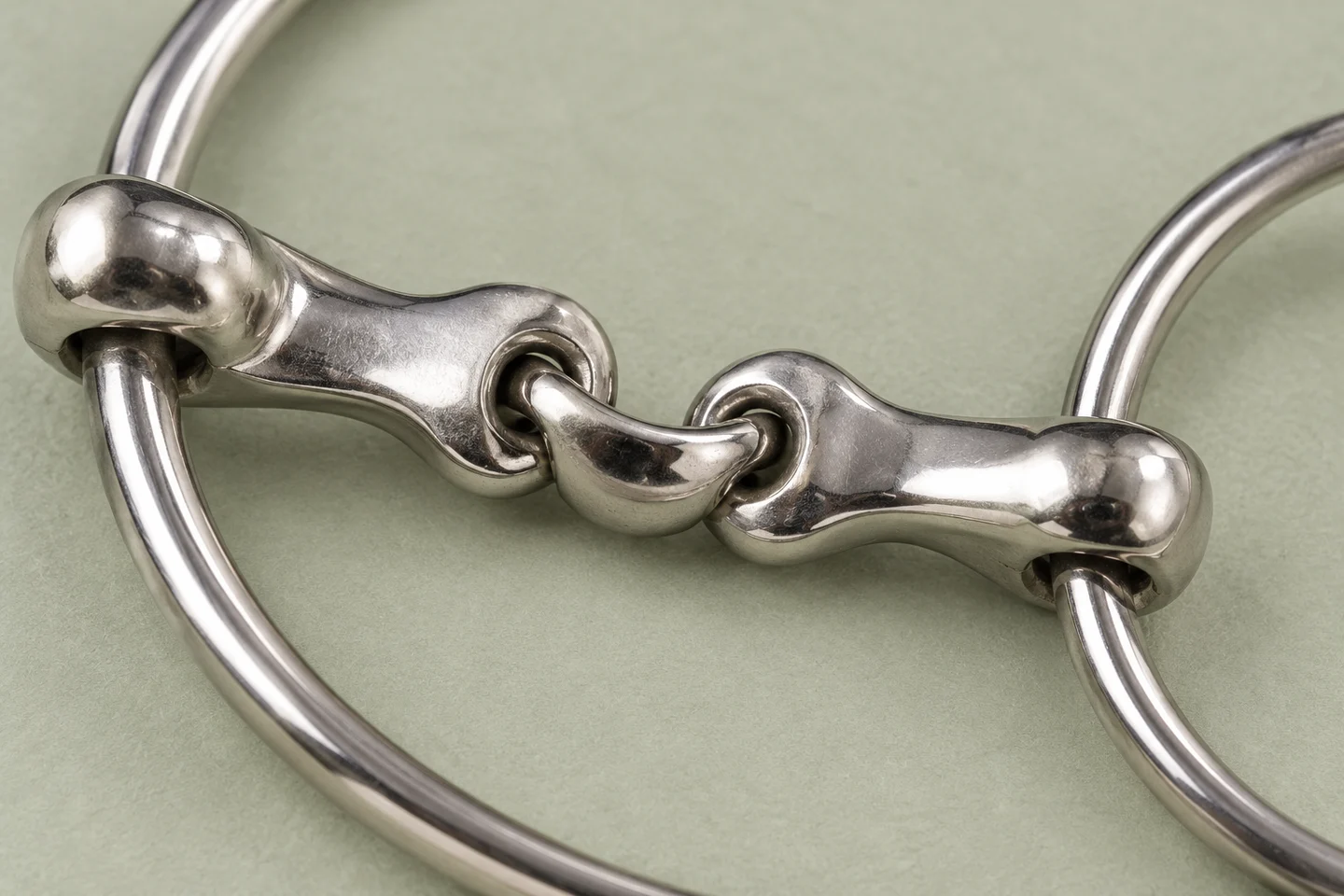
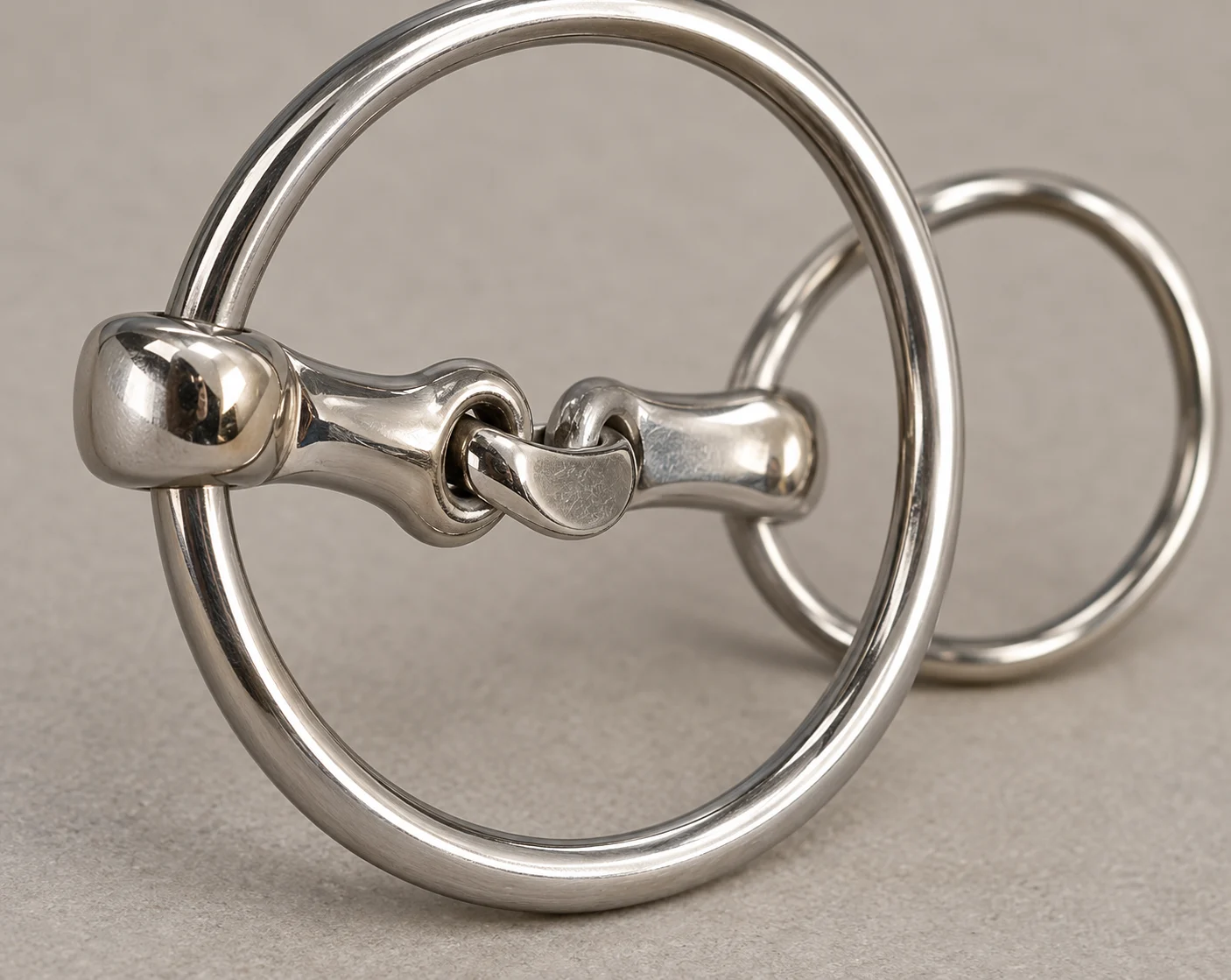
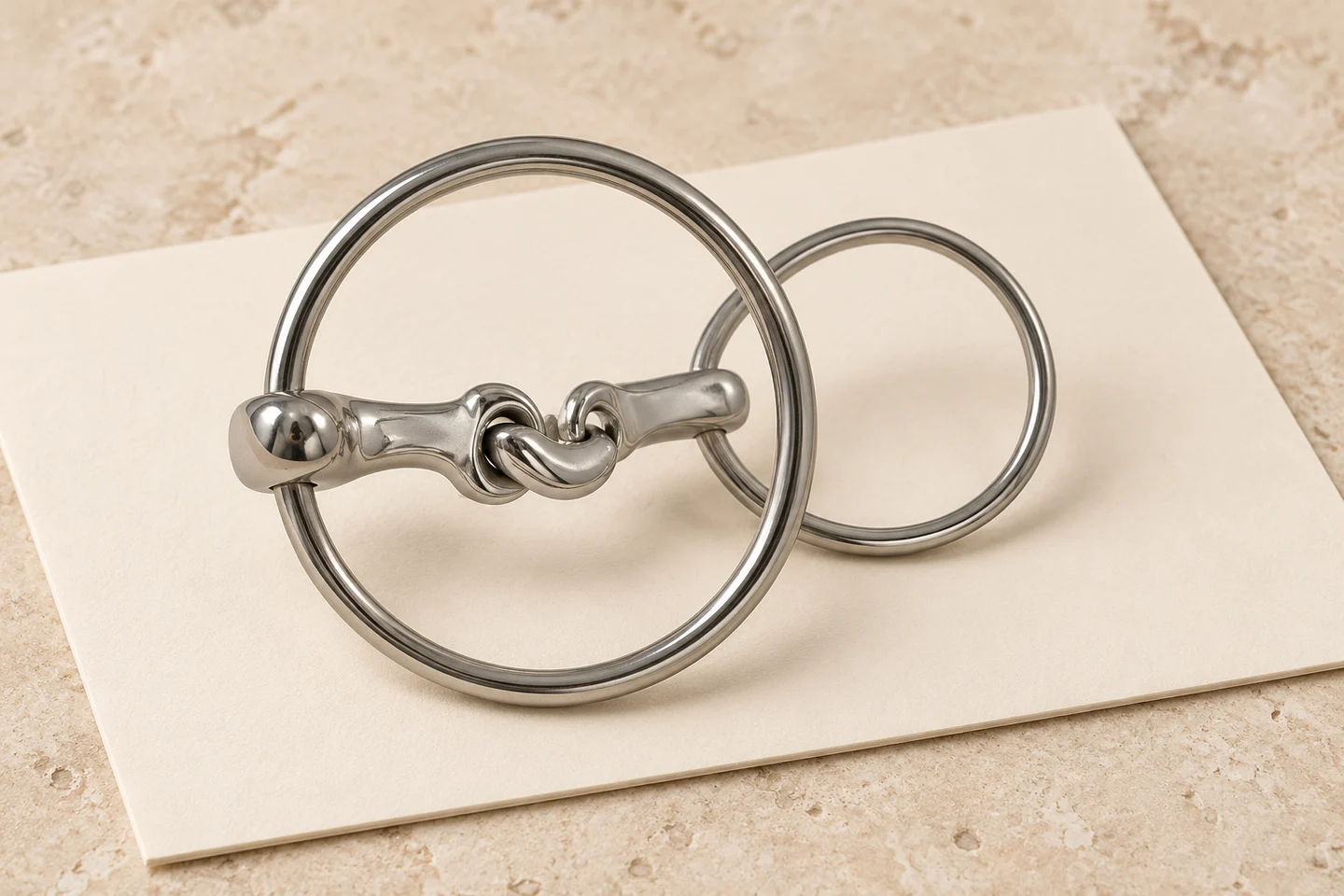
At Relia, the starting point for this discussion is the bradoon reference #26 in the product range. It is described with a curved mouth, half-moon link, 14 mm mouthpiece and 2-inch inside-diameter ring reference. The intended curb needs a separate complete reference and review before the two products can become a matched sourcing set.
Complete model, mouthpiece, ring geometry and measured size.
Separate full reference, mouthpiece, cheeks and supplied components.
Both accepted products, bridle assembly and packing contents.
Map the Bridle Space for Both Products
Treat the leather connections and the space occupied by both bit assemblies as one combined review. Record the cheekpiece and rein connections for each product, with dimensions from the actual bridle parts. Separate product approval is useful, but it does not replace a complete assembly check.
- Bradoon connectionsMouthpiece, rings and its own leather attachments.
- Curb connectionsMouthpiece, cheeks, rein points and agreed accessories.
- Combined assemblyClearances with the intended bridle and both products.
- Qualified reviewFitting and use guidance for the exact equipment and horse.
Review the Bradoon Mouthpiece and Rings
Keep the bradoon’s curved mouthpiece, half-moon centre and ring arrangement together when you choose the sample. The #26 construction has a 14 mm mouthpiece and a 2-inch inside-diameter ring reference. Agree the measuring points on its drawing, then review its actual connections with the bridle and separately selected curb.
Define the Curb as a Separate Development Input
Define the curb separately, then review it with the selected bradoon. The Dewsbury 4755SN fixed-cheek curb has a silver-nickel mouth, stainless-steel cheeks, hooks and chain. Use your intended curb drawing or sample to agree the complete assembly; a matched double-bridle sourcing set needs the two chosen products reviewed individually and together.
| Input | Keep explicit |
|---|---|
| Product reference | Actual sample or complete drawing, not an adjacent category name |
| Mouthpiece | Width definition, profile, thickness and material |
| Cheeks and attachments | Upper and lower connections, geometry and movement |
| Supplied inventory | Hooks, chain and other included components where applicable |
Connect Two Sample Reviews to One Set
Each bit needs a construction-specific making route: the selected forming operations, any required machining or welding, polishing, surface treatment and assembly follow its own drawing. The bradoon's centre and rings should not inherit the curb's mouthpiece or cheek requirements simply because the products will share a bridle.
We implement material, dimensional, appearance and moving-part or assembly-fit checks. Use those categories for each product, then add the combined bridle-space review with the intended leatherwork. Keep the two accepted product identities and the agreed set contents connected, so a change to one bit is visible in the complete project.
Approve Both Samples and Their Shared Assembly
Use separate product identifiers for the bradoon and curb, followed by a clear set reference after the complete assembly is accepted. Keep the fitting guidance, included components and intended packing linked to that reference. The development discussion becomes a supply proposal only after the actual products and scope are confirmed.
- Identify both productsModel or drawing for bradoon and curb.
- Review individuallyDimensions, materials, finish and complete parts.
- Review togetherActual bridle assembly and qualified fitting assessment.
- Agree the setAccepted revisions, included inventory and commercial quotation.
Keep the First Reference Easy to Recognize
A clear bradoon sample gives the project a concrete starting point while the curb specification is being developed. Retain its complete photograph and measurement record, then use the same record when comparing the proposed set. Avoid changing the bradoon to compensate for an undefined curb arrangement.
For dimension definitions, use the horse-bit size guide.
Start with a Two-Line Development Brief
Send the bradoon and curb as two separate lines, with a third line describing the intended set. If you already have an accepted assembly, the second-source sample guide explains how to preserve the existing specification. If the project is new, keep it within drawing and prototype development until the complete supply scope is agreed.
| Line | Buyer input |
|---|---|
| Bradoon | Reference, size definition, mouthpiece and rings |
| Curb | Complete reference, geometry, components and instructions |
| Combined set | Bridle parts, assembly context, quantity and requested packing |
Start a Double-Bridle Sample Discussion
Send the bradoon reference and a separate curb drawing or sample, together with the bridle connection details. We can review the project as two defined products and discuss the route toward a complete sample set.
We will review the model and configuration with you before a quotation is agreed. Include quantities and destination so sample, packing and delivery terms can be considered together.
Qingdao Relia Saddlery Co., Ltd.
info@reliasaddlery.com · +86 18561762631
Changjiang Road, Qingdao, Shandong, China
- Choose the productSend the model code, product link or your drawing.
- Describe your versionInclude the size, construction or appearance you need to discuss.
- Plan the next stepAdd quantity and destination, then agree the sample and quotation scope with us.