

For Pelham wholesale model selection
Pelham Horse Bits for Wholesale Model Selection
Choose a Pelham range by mouthpiece construction and complete supplied contents. We manufacture the bits and can review jointed, ported or covered options with the cheek arrangement your customers need. Keep the hooks, chain and measured size with the selected sample, so wholesale quotations describe the same complete product and your team can explain the differences between models.
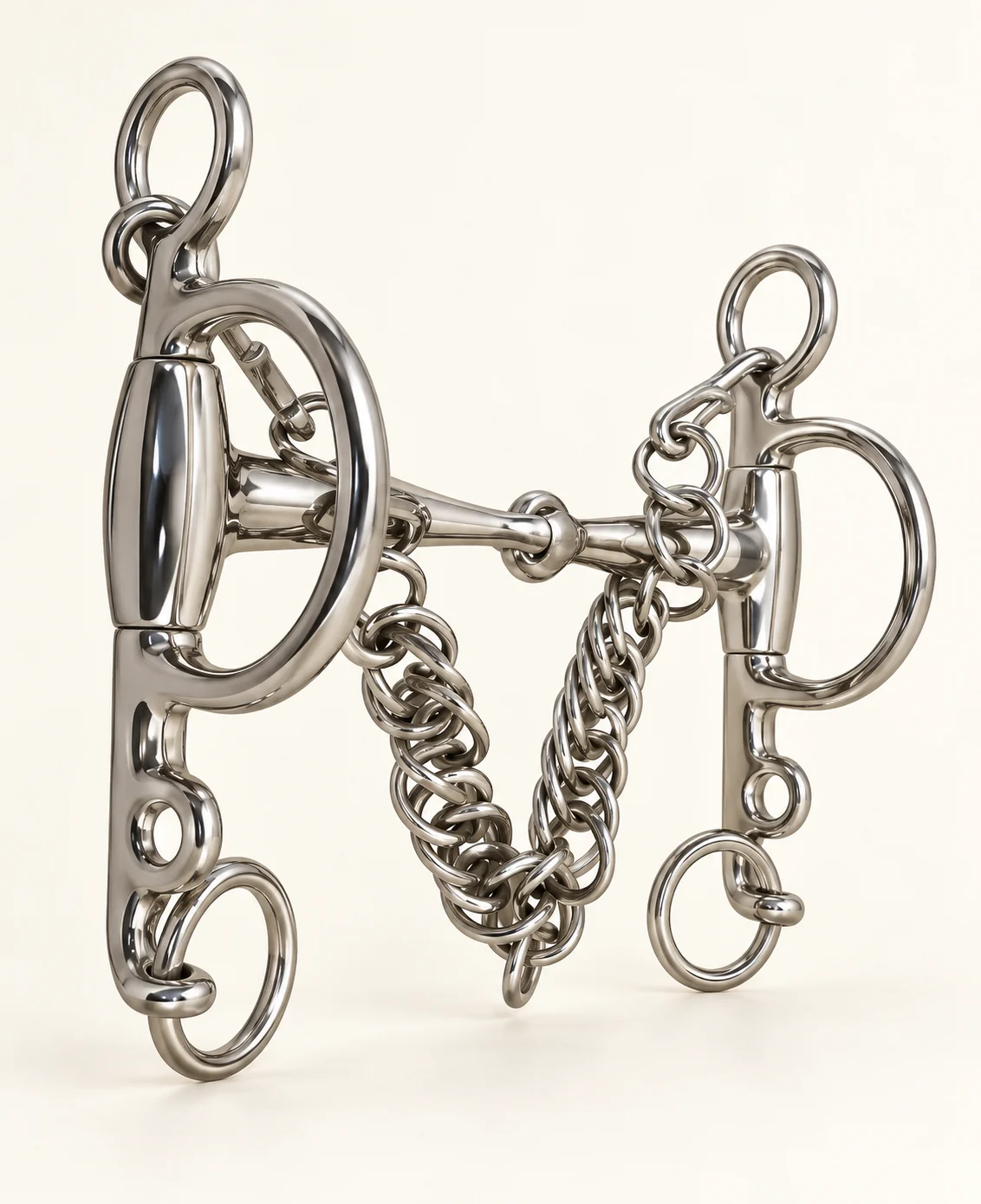
Separate the Mouthpiece Families
Compare the product your customer will actually receive. Relia manufactures its own Pelham bits and checks the selected mouthpiece, cheeks and agreed accessory set together. Materials, dimensions, appearance and assembly fit remain linked to that version, helping you compare complete offers rather than a bit body and separate extras.
Choose the construction your range needs: 25712 has a snaffle-port mouth, 25714 a low-port mouth and D22530/13/125 a jointed mouth. The #72 Pelham adds a black soft-rubber-covered option. Keep each mouthpiece with its own cheeks and included parts when comparing wholesale offers.
Keep the connection and arm profile visible.
Record the centre profile and actual build.
Separate covering material, core and finished dimensions.
Locate the Cheek Connections
Record the upper attachment, mouthpiece junction and lower rein connection separately. The product range lists 25456-16-125 with a 136 mm cheek reference, 5-inch mouth and 16 mm thickness. That overall cheek figure still needs a drawing showing the individual connection locations. It does not establish a leverage ratio.
| Dimension group | Useful detail |
|---|---|
| Mouthpiece | Agreed width, thickness and centre geometry |
| Cheek | Overall reference and upper/lower connection positions |
| Rings and openings | Opening dimensions, section and attachment clearance |
| Chain and hooks | Agreed dimensions, connection and supplied quantity |
Keep the Selected Joint Construction Visible
A jointed Pelham should be identified by its complete mouthpiece as well as its cheeks. Model D22530/13/125 lists a 13 mm thickness and 125 mm mouth reference. Keep those dimensions with that model.
The separate current-store BT0712 reference shown here provides a visible central-joint example for a sample discussion. It is not an established match to D22530. Compare the actual joint, arm profile and cheek assembly on the version you select rather than borrowing another model’s dimensions.
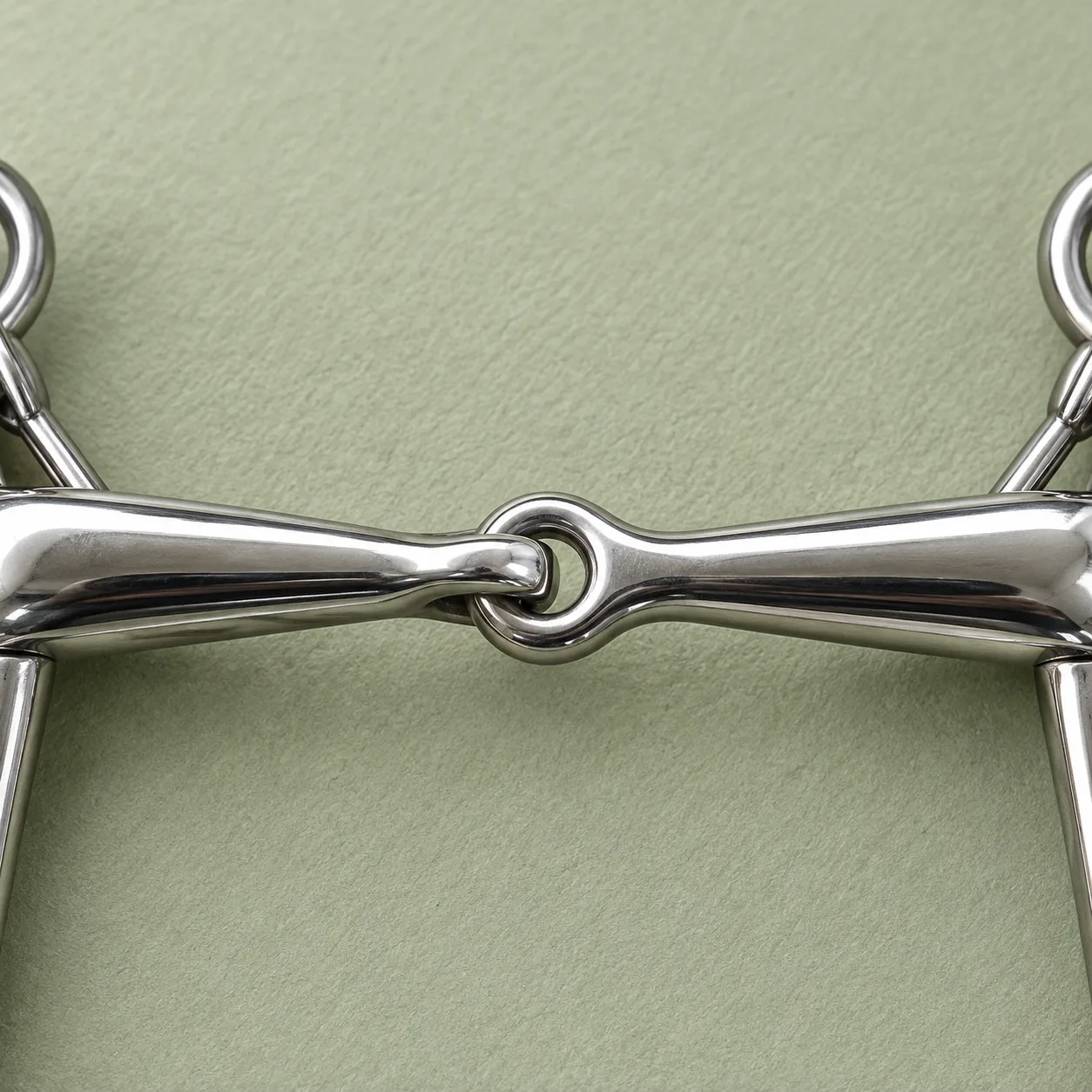
Specify Hooks and Chain as Supply Items
Make the supplied accessories clear for each Pelham quotation. Some configurations include hooks and chain; agree the actual parts, count and connections for the selected model. Keep those contents with the accepted sample, and define them again when a different mouthpiece or assembly becomes a separate product line.
Complete mouthpiece, cheeks and rings.
Type, connection and supplied count.
Actual chain configuration and connection arrangement.
Agreed full contents plus fitting, inspection and care information.
Review Joining, Edges and Final Assembly
The Pelham making plan follows the mouthpiece construction and cheek drawing. We arrange the appropriate forming and connection operations, with machining or welding where required, followed by polishing, the selected surface treatment and assembly. The upper eye, mouthpiece junction and lower attachment remain distinct drawing features.
We check materials, dimensions and appearance, together with moving parts and assembly fit. Review the finished cheek locations and mouthpiece against the same sample as the agreed hooks and chain. Keep the accessory type and count explicit so the accepted product and the quoted supply version remain the same complete configuration.
- Form and joinMatch cheek and mouthpiece geometry to the drawing.
- FinishReview accessible edges, junctions and appearance.
- AssembleConfirm actual movements and agreed accessory connections.
- RecordRetain complete sample identity and inventory.
Treat a Covered Mouthpiece as Its Own Version
Choose the complete covered-mouthpiece assembly before specifying the outer layer. The #72 Pelham has a black soft-rubber mouth description. For a BT0532 sectional-mouthpiece sample, agree the outer material, underlying build and finished thickness in its own quotation; use the covering guide to refine those component choices.
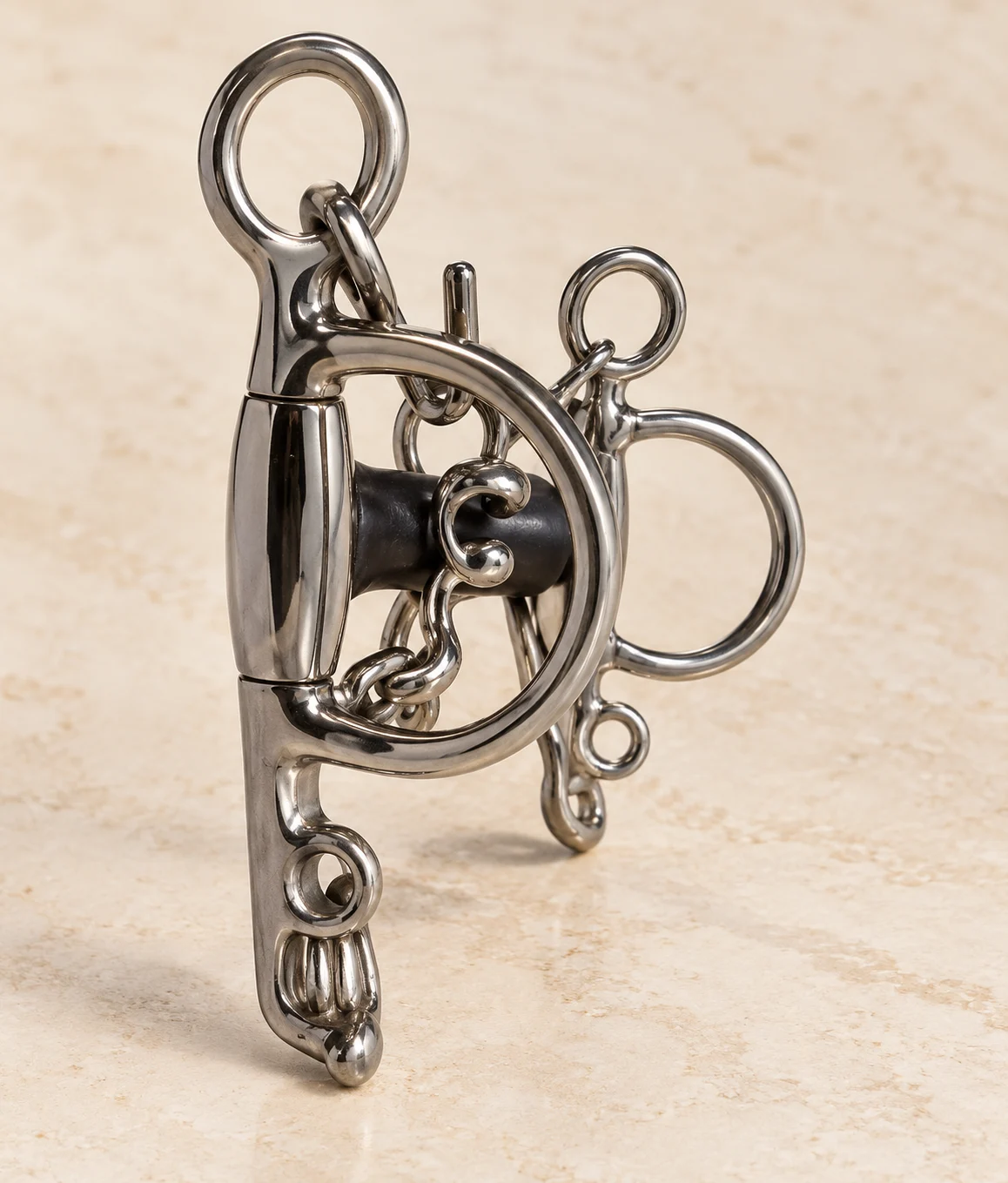
Choose One Complete Pelham Configuration
Use BT0712’s 125 mm, 145 mm and 135 mm option labels to identify the product for discussion. Agree the measured mouthpiece span on its own drawing and sample, and quote it separately from another Pelham configuration unless the full assembly has been matched.
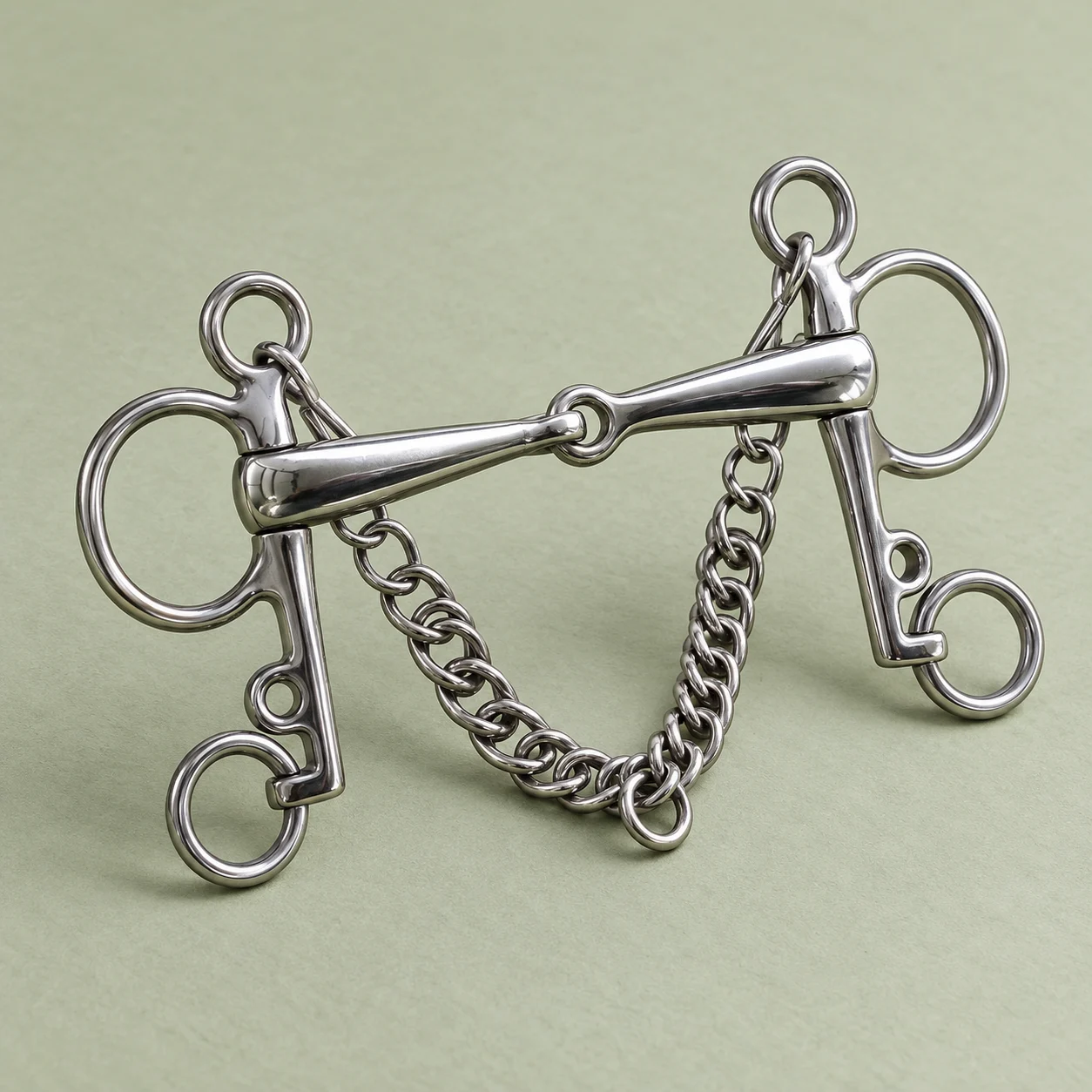
Approve the Complete Retail Assembly
Review the selected sample with the intended bridle and reins, complete instructions and appropriate qualified fitting assessment. Keep the approved measurements, supplied contents and appearance tied to the same code. For an adjacent cheek family, the Kimberwicke guide keeps that comparison separate.
- SelectOne complete Pelham model and measured size.
- ReviewMouthpiece, cheek geometry and supplied parts.
- AssembleActual bridle connections and documented operation.
- QuoteQuantity, packing and destination for that accepted version.
Start a Pelham Bit Sample Discussion
Send the Pelham code, mouthpiece construction and the hooks-and-chain version you expect. Add the target size reference and quantity so we can discuss the complete wholesale sample and supply scope.
We will review the model and configuration with you before a quotation is agreed. Include quantities and destination so sample, packing and delivery terms can be considered together.
Qingdao Relia Saddlery Co., Ltd.
info@reliasaddlery.com · +86 18561762631
Changjiang Road, Qingdao, Shandong, China
- Choose the productSend the model code, product link or your drawing.
- Describe your versionInclude the size, construction or appearance you need to discuss.
- Plan the next stepAdd quantity and destination, then agree the sample and quotation scope with us.