

For replacement and second-source projects
Second-Source Bits, Spurs and Stirrups
Build a replacement supply route around the interfaces your existing equipment needs to retain. We manufacture bits, spurs and stirrups and can review your authorized sample or drawing with the connected boot, bridle or leather. Separate wear from the intended design, then agree which features stay and which can change. A defined sample gives your team a clearer second-source comparison.
Separate Original Design from Wear
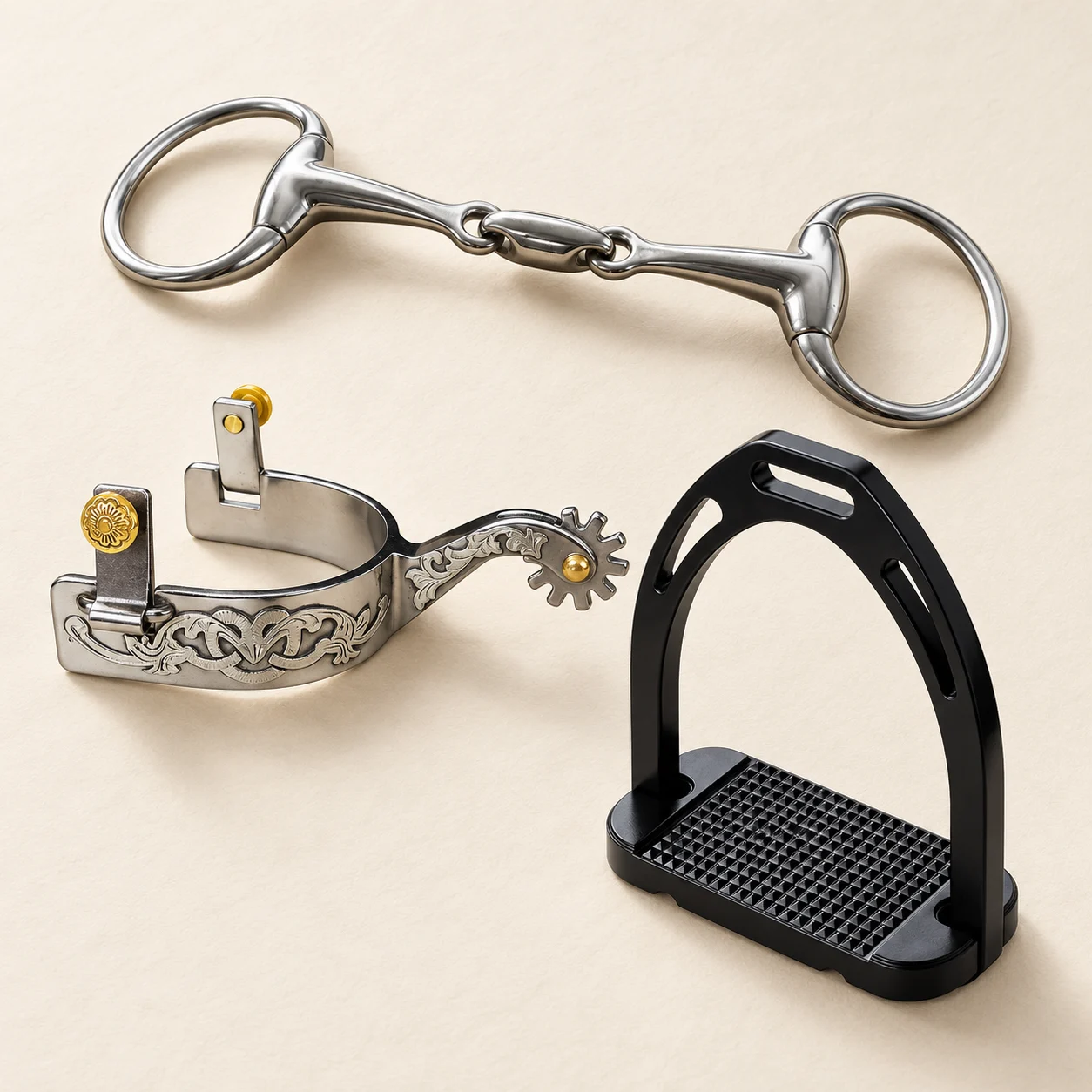
Protect the useful fit before comparing a new supply option. Relia manufactures bits, spurs and stirrups and supports your authorized drawings and logo. We review materials, dimensions, appearance and assembled fit against the selected design, keeping wear, proposed changes and the accepted replacement version distinct.
At Relia, a useful second-source discussion starts with what must stay the same. A worn pad, bent component or polished-away detail should not silently become the target geometry. Send any original drawing or earlier photograph with the physical sample, and mark which dimensions are known from the original specification.
Use a reference you own or have permission to develop. Share the permitted design scope with the sample so we can review a model alternative, an authorized modification or a new development route together.
Explore bit references · Spur references · Stirrup references
Drawing, original code, earlier photographs and any accepted dimensions.
Wear, damage, missing parts and known replacements identified separately.
Bridle, boot, strap or fender details that the replacement must accommodate.
Choose the Matching Route Before Comparing Price
A current model base may answer the need without new development. A local adjustment may be enough when the underlying assembly is appropriate. A different construction or critical interface belongs in a new development review. These routes carry different sample and tooling discussions, so keep them separate from the first quotation.
- Current base modelCompare the complete existing configuration with your requirements.
- Defined adjustmentIdentify the exact change and everything that remains fixed.
- New developmentUse drawings or prototypes for a different construction.
- Accepted routeAgree the sample scope before production terms.
Preserve the Bit Interfaces and Mouthpiece
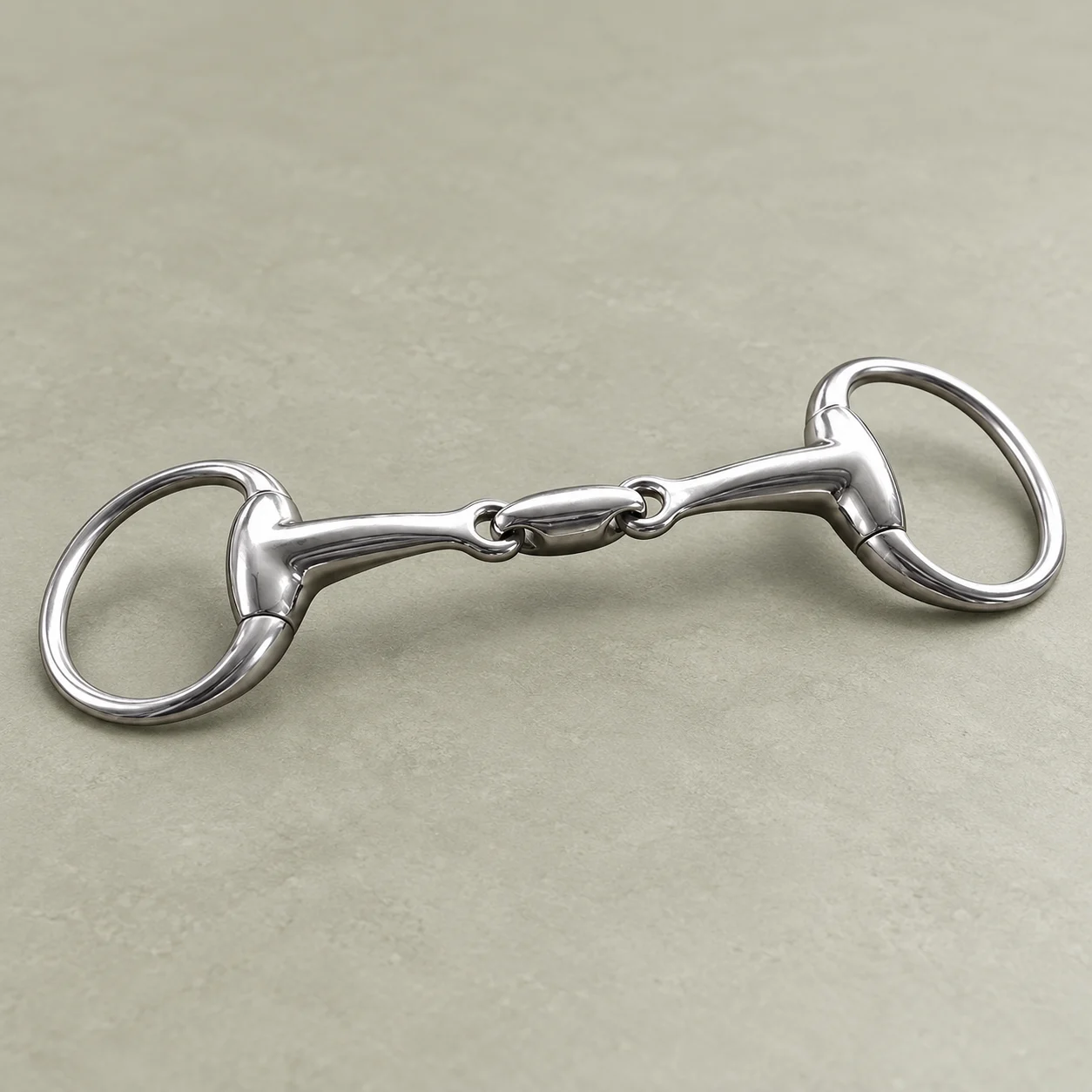
For a replacement bit, record the mouthpiece construction, measured width, thickness, cheek geometry and actual accessory contents. Keep the attachment clearances and documented movement with the same reference. A D-ring outline alone cannot establish an equivalent assembly.
The BT0319 oval-link D-ring reference can be compared as a current base, with D-ring interface details reviewed separately.
Preserve Boot Fit and Rowel Components
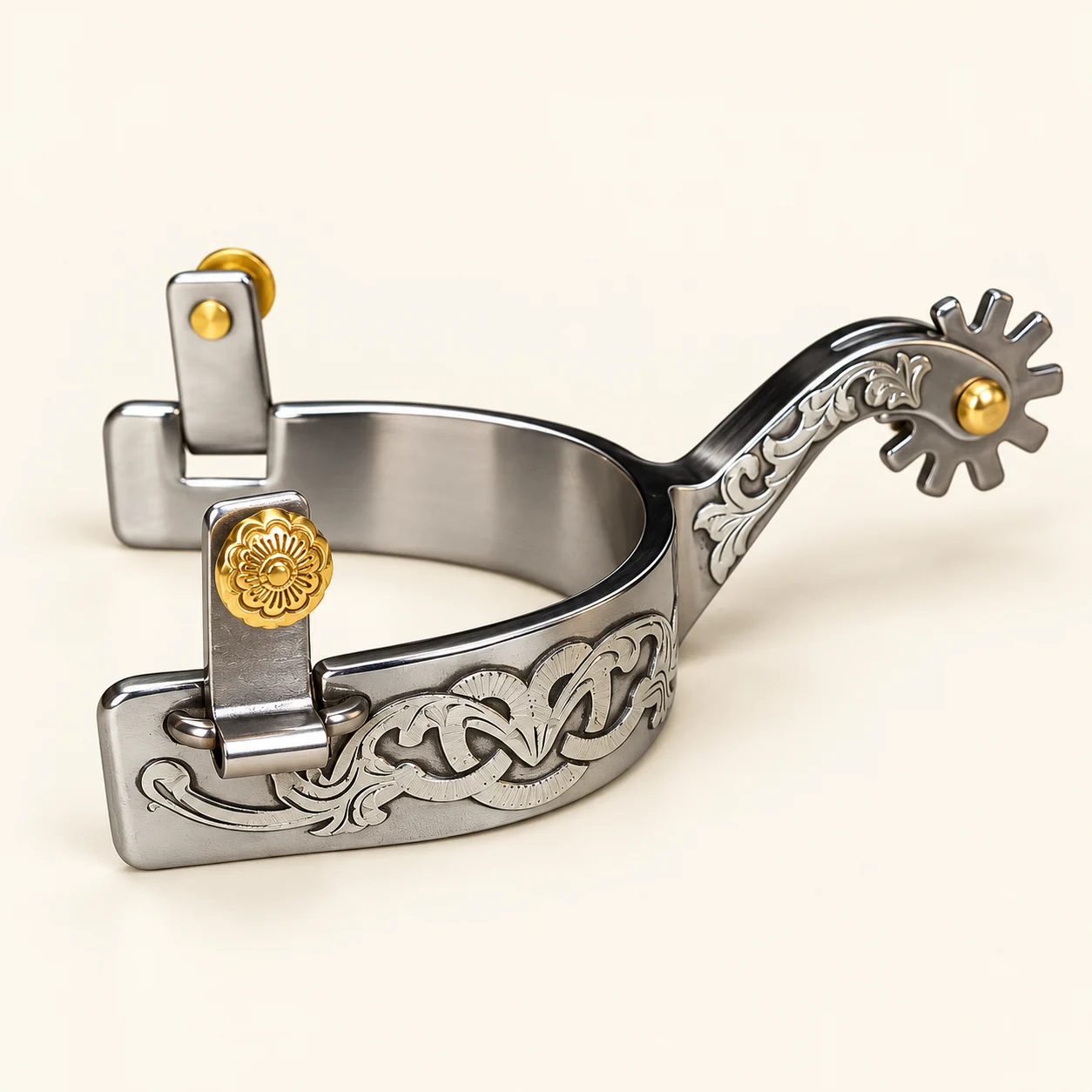
For a spur, the band opening, shank geometry, rowel and strap attachments need their own record. A decorative similarity does not establish the same boot fit. Keep actual supplied count and strap inclusion explicit, then review the selected sample with the intended boot and complete operating guidance.
The SP5133 scroll-decorated spur is a reference for discussion, while the spur fit guide covers the interface measurements.
Preserve the Leather Slot and Usable Tread
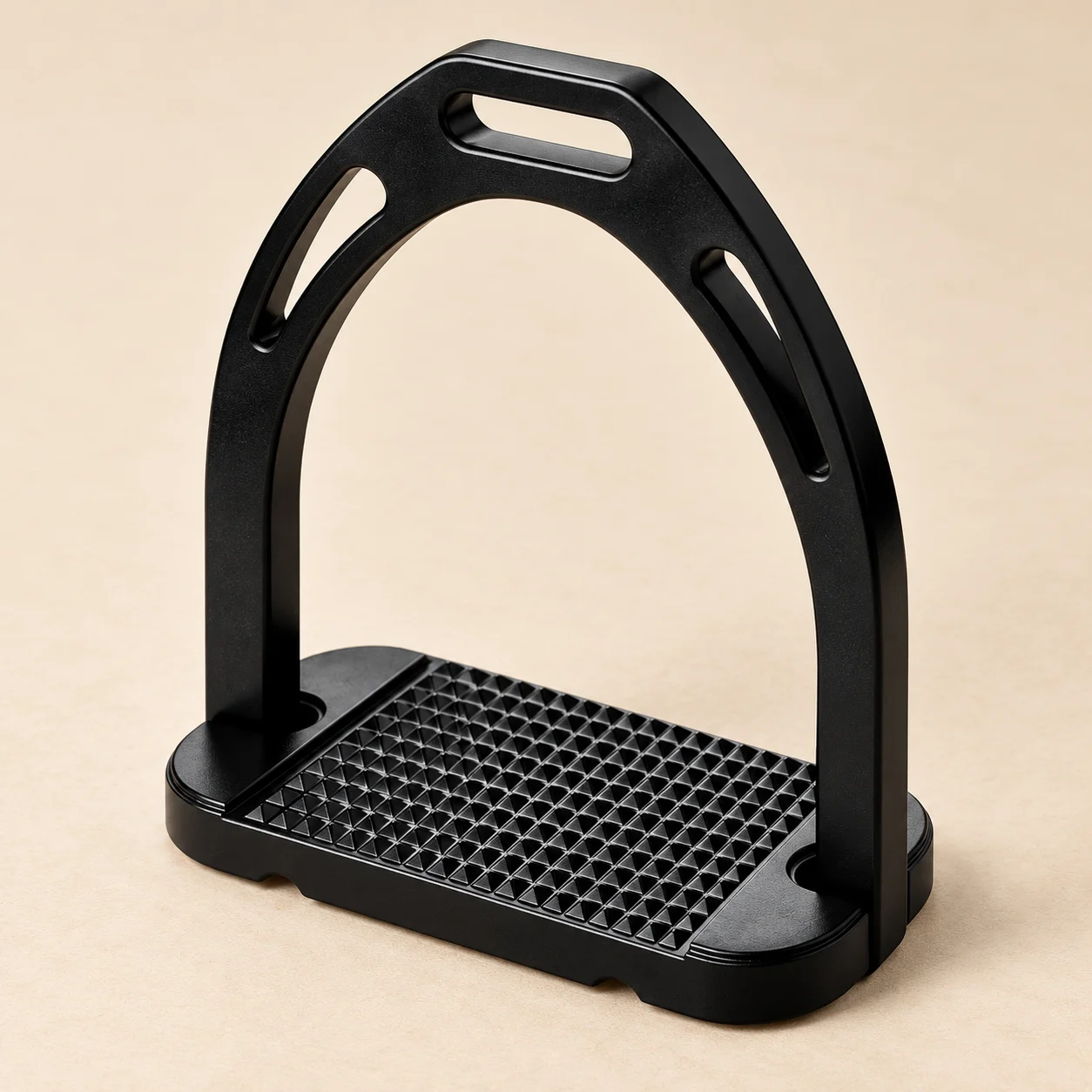
For a stirrup, measure the usable tread area, boot clearance and upper attachment independently. Keep the pad or tread construction and other components tied to the exact version. The nominal 120 mm on YF11902Al does not by itself define usable tread width.
Compare YF11902Al with the stirrup size and interface guide before treating it as an equivalent.
| Category | Preserve or approve explicitly |
|---|---|
| Bit | Mouthpiece, cheek connections, size definition and supplied accessories |
| Spur | Band opening, shank, rowel retention and strap interface |
| Stirrup | Upper slot, usable tread, frame clearance and pad/component version |
Review Materials and Joining for the Replacement
A replacement project needs the component material and construction defined as well as the visible shape. We select the applicable forming, machining or welding, polishing, surface treatment and assembly operations for the new version. A worn surface or an unexplained joint in the original sample is kept separate from the design requirement.
We verify materials and dimensions, inspect appearance and check moving parts or assembly fit. Connect those checks to the protected interfaces: the bit's mouthpiece and cheek connections, the spur's band and rowel assembly, or the stirrup's top connection and tread. Record proposed differences explicitly before accepting the replacement baseline for repeat supply. Compare the retained interfaces with our sample inspection checkpoints before accepting the replacement.
- Material mapName each structural, contact and decorative component.
- Route reviewIdentify actual fabrication, joining and surface treatment.
- Critical featuresConnect the route to the interfaces that must be preserved.
- Sample recordRetain the proposed construction and all agreed differences.
Approve Differences Before a Repeat Supply Decision
Separate cosmetic changes from interface and construction changes. A finish variation may be acceptable; a changed attachment space or retention component needs a different review. Keep each difference connected to the drawing and sample rather than approving a general resemblance.
For a new construction, continue with the OEM drawing and prototype guide.
Use One Accepted Baseline for Replenishment
Once the replacement is accepted, keep the product code, sample, drawing revision and difference record together. Attach that baseline to the repeat enquiry and retain packaging identification from the delivered order. If an issue appears, the same references help explain which component and version are affected.
| Record | Purpose |
|---|---|
| Original reference | Explains the starting product and its condition |
| Difference list | Separates accepted changes from protected interfaces |
| Accepted replacement | Links sample, drawing and full component description |
| Repeat-order identification | Links quantities and packing records to the same revision |
Start a Second-Source Sample Discussion
Send the existing product code, clear photographs and any drawing or usable sample you hold. Mark the interfaces that must stay the same and any appearance changes you can accept, and we can discuss the appropriate replacement route.
We will review the model and configuration with you before a quotation is agreed. Include quantities and destination so sample, packing and delivery terms can be considered together.
Qingdao Relia Saddlery Co., Ltd.
info@reliasaddlery.com · +86 18561762631
Changjiang Road, Qingdao, Shandong, China
- Choose the productSend the model code, product link or your drawing.
- Describe your versionInclude the size, construction or appearance you need to discuss.
- Plan the next stepAdd quantity and destination, then agree the sample and quotation scope with us.