

Frame construction and movement
Jointed and Rigid Stirrup Frames
Choose a rigid or jointed stirrup by the complete frame and the movement your product brief needs. We manufacture stirrups and can review the offered model or your drawing with the intended boot and leather. Define the moving area, connections and supplied parts, then agree the sample assessment. Your comparison stays focused on the actual construction rather than a jointed-style name.
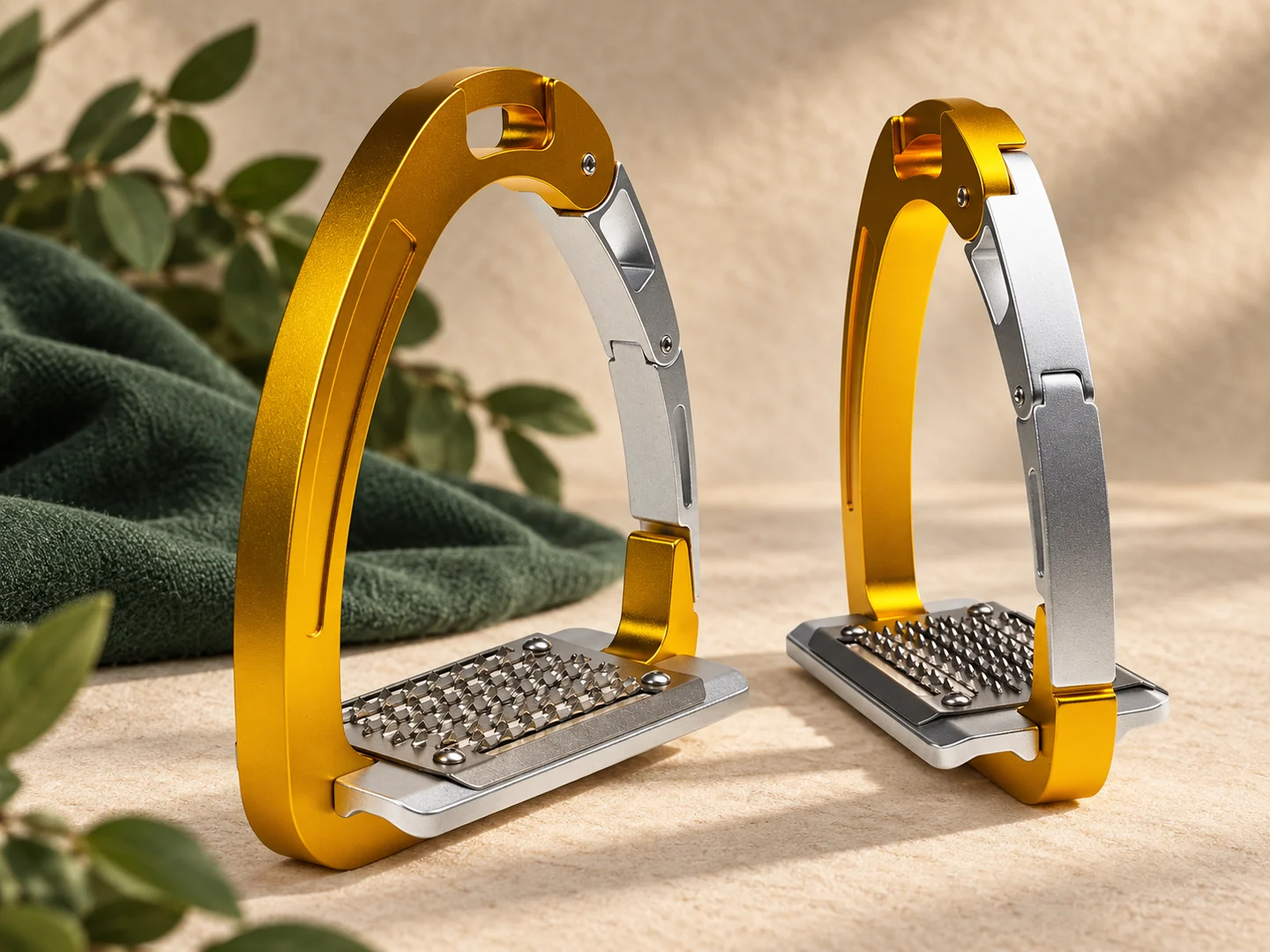
Compare the Actual Jointed Assemblies
Keep the movement decision tied to one complete product. Relia manufactures stirrups and checks materials, dimensions, appearance and moving-part or assembly fit. We review the selected frame, joint area and pad together, helping your team compare a rigid construction with a defined jointed assembly.
Compare the actual assemblies. The 25855-2HR combines hinged rubber with a black pad; ST3118 is a separate jointed-side product. Choose one model and review its connections, operating movement and supplied components on the sample before deciding how it fits your product brief.
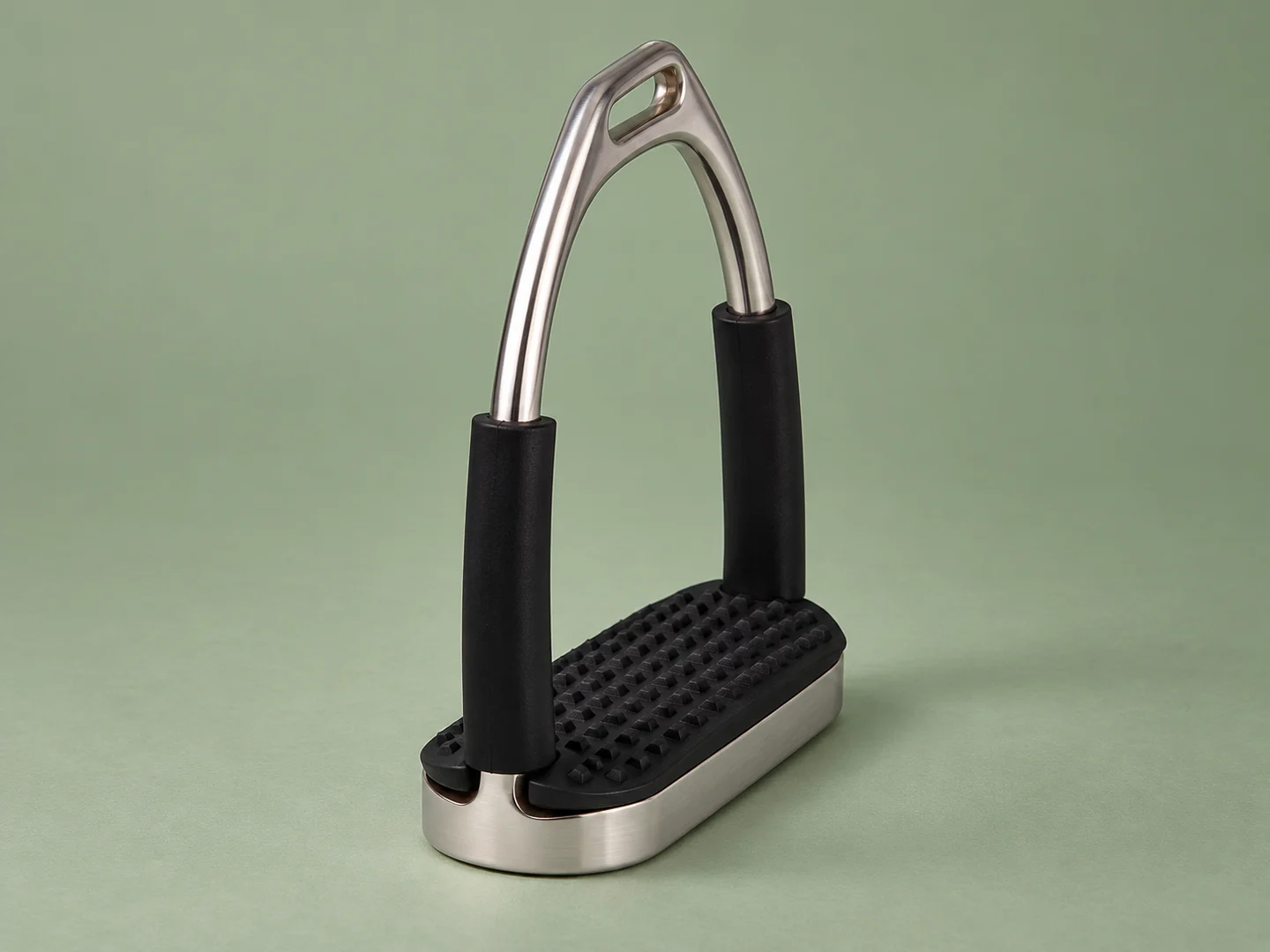
Define Movement as a Product Requirement
State the intended moving area, direction and range in the development brief. Include the equipment arrangement and the operating information required for review. Joint movement does not automatically describe side opening, release or shock absorption.
Identify which actual component is intended to move.
Define its movement relative to the frame.
Keep operating conditions and equipment with the sample.
Compare Rigid and Jointed Assemblies
A rigid frame can be described by its fixed geometry and attachments. A jointed assembly adds interfaces, fixing and movement requirements. Keep those additional components in the material and version record.
| Construction | Primary reference | Additional review |
|---|---|---|
| Rigid | Finished frame geometry | Tread, top attachment and complete fit |
| Jointed | Actual moving-component arrangement | Interfaces, fixing and available movement |
| Either construction | Complete sample and instructions | Exact-version evaluation for the intended use |
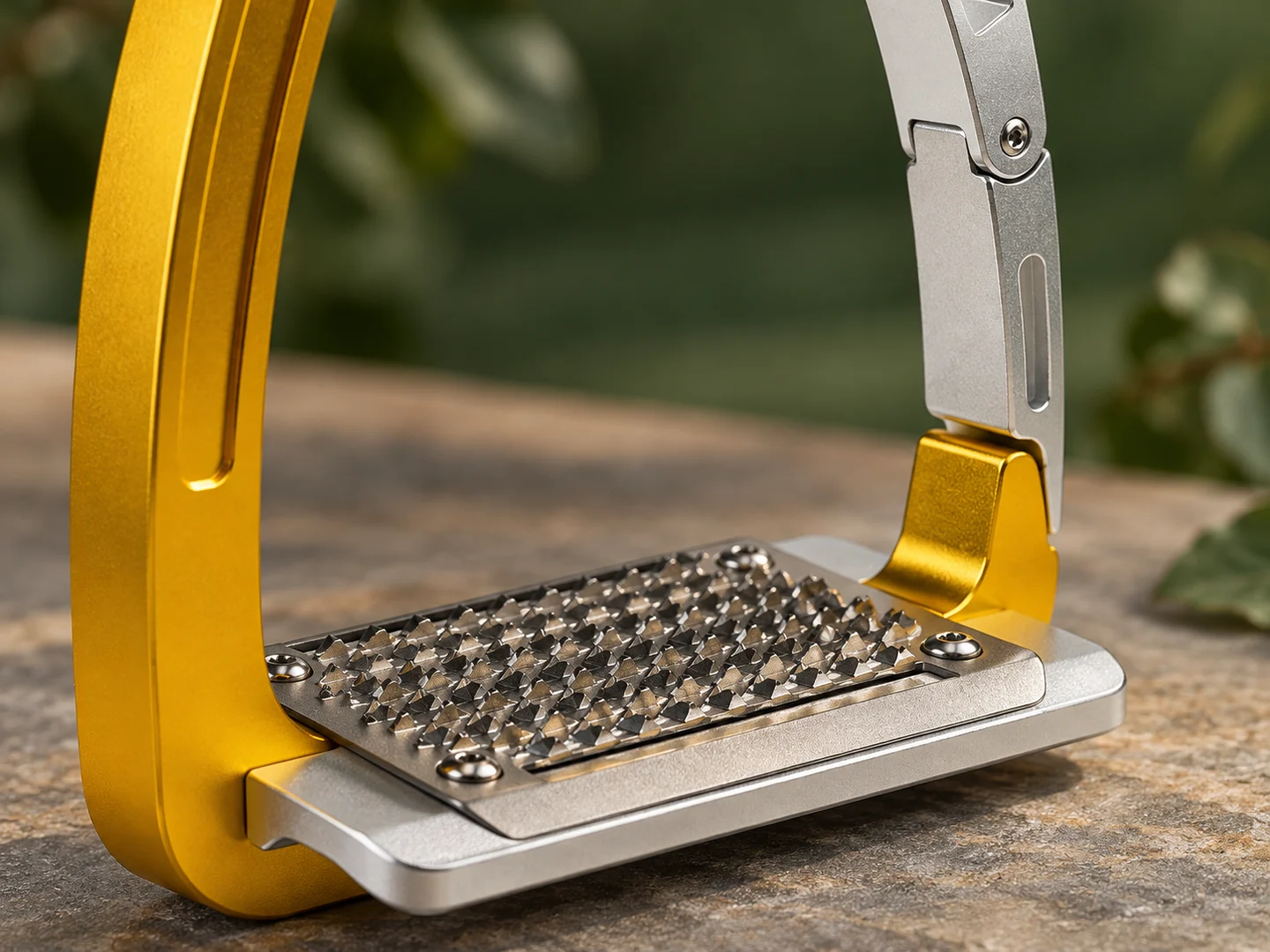
The Connection Deserves a Dedicated View
A close-up can locate the visible fastener and adjacent side components. It cannot show the full operating sequence by itself. Keep that view with a demonstration and drawing of the actual sample when defining a jointed project.
Link Part Making to the Joint Assembly
A jointed assembly adds mating and fixing features to the frame-making work. We choose the relevant forming, machining or connection operations for the model, then complete the specified surfaces and assemble the frame, side parts and tread. The joint geometry stays connected to the complete product drawing.
Our checks cover materials, finished dimensions, appearance and moving-part or assembly fit. Review the actual movement, its available space and the intended boot/leather arrangement on the same sample. Keep the required operating information and any performance assessment with that exact version, so a different tread or side fixing is visible as a configuration change.
- Part definition
List frame, side components and their materials.
- Interface geometry
Mark mating features and required assembly space.
- Joint assembly
Identify fixing and operating arrangement.
- Final sample
Review movement, fit and complete instructions.
Keep the Sample and Its Evaluation Together
If your buying requirement includes a measured movement or performance outcome, the documentation should identify the complete frame and joint revision. A report for a different tread, side part or fixing does not describe the same configuration.
| Item | Retain | Purpose |
|---|---|---|
| Complete version | Drawing and component references | Identify the evaluated construction |
| Movement description | Actual sequence and defined range | Describe the intended action |
| Equipment | Boot and leather arrangement | Retain the fit context |
| Evaluation | Relevant method, conditions and result | Support the required outcome |
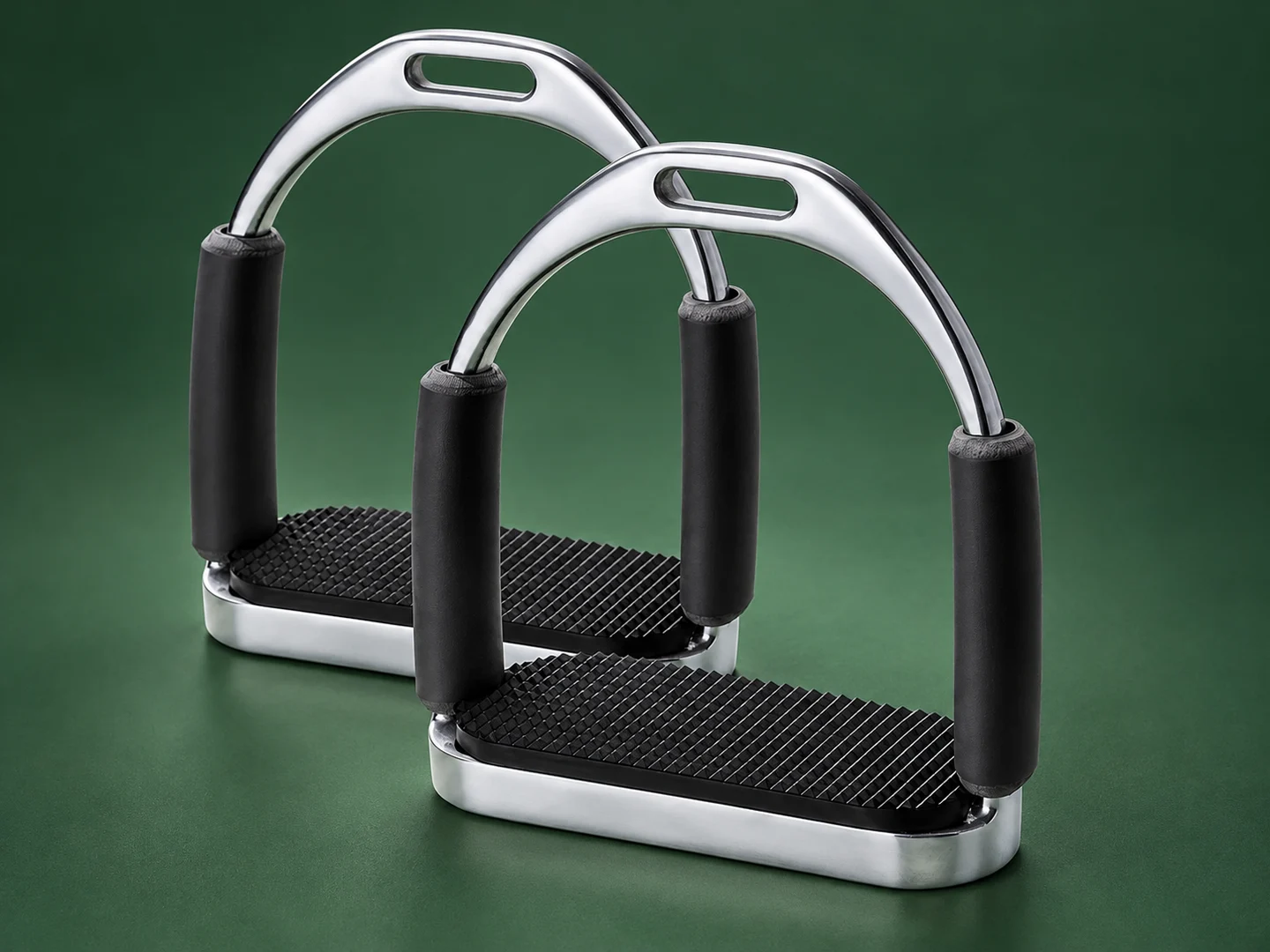
Follow the Construction into Fit and Development
Use the dimension guide for interfaces, the side-opening guide for that separate architecture and the drawing-to-sample guide when the required joint differs from a listed reference.
Describe the Jointed Sample You Need
Send the frame reference, intended movement, equipment arrangement and sample quantities. Include a drawing, existing sample or clear operating reference so the development discussion has a defined starting point. Send your reference and required quantity to info@reliasaddlery.com, call +86 18561762631, or use WhatsApp +1 404 203 0971. Qingdao Relia Saddlery Co., Ltd., Changjiang Road, Qingdao, Shandong, China. You can also send a product enquiry.
- Choose the productSend the model code, product link or your drawing.
- Describe your versionInclude the size, construction or appearance you need to discuss.
- Plan the next stepAdd quantity and destination, then agree the sample and quotation scope with us.