

For linked-mouthpiece bit ranges
Waterford Horse Bits by Cheek Configuration
Give each Waterford stock line a clear linked-mouthpiece and cheek configuration. We manufacture the complete bits and can review D-ring and hanging-cheek options with your bridle requirements. Agree the link arrangement, measured span and attachment details on the selected sample, so your team can compare wholesale versions and reorder the same construction without relying on the family name alone.
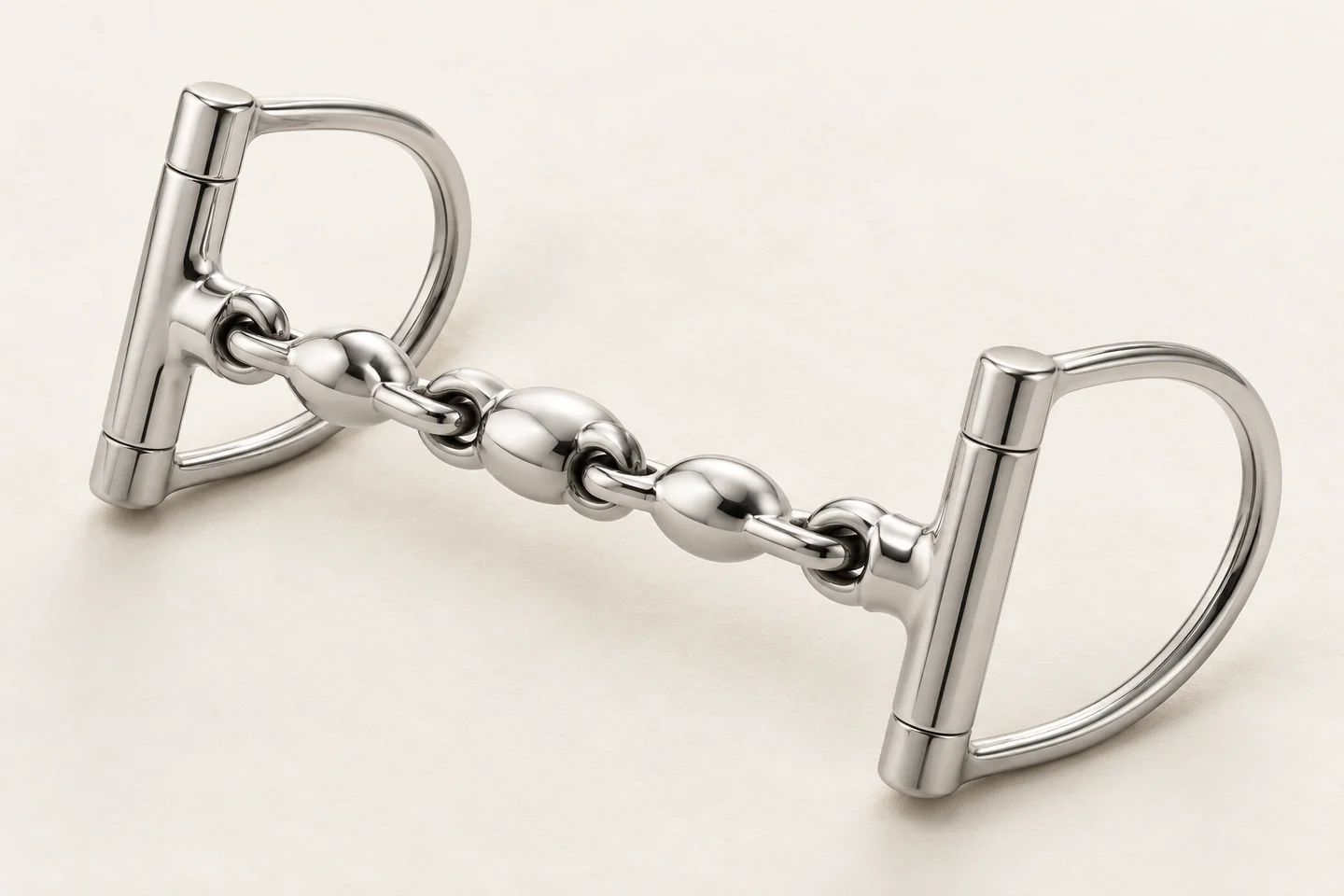
Use the Complete Waterford Reference
Keep the link sequence and the cheek choice together. Relia produces its own linked-mouthpiece bits and checks materials, dimensions, appearance and assembled fit or movement. That gives your distributor range a defined Waterford sample, with its measuring pose and leather connections agreed alongside the product.
The 25555-WFD Hunter D-ring Waterford has 63 × 50 mm rings, a 5-inch width reference and 16 mm thickness. Waterford Dee #29 and Waterford Baucher #28 provide separate cheek directions. Choose one complete model, then agree its drawing and sample dimensions.
D-ring construction with its ring and mouthpiece dimensions kept together.
Waterford Dee construction with an agreed size drawing.
Waterford Baucher construction with its own hanging-cheek arrangement.
Preserve the Whole Link Sequence
A Waterford sample should show every mouthpiece segment, connecting region and outer connection. Record the sequence, individual shapes and assembled movement rather than relying on a generic linked-mouth description. A replacement sample with a similar silhouette can still have different link geometry.
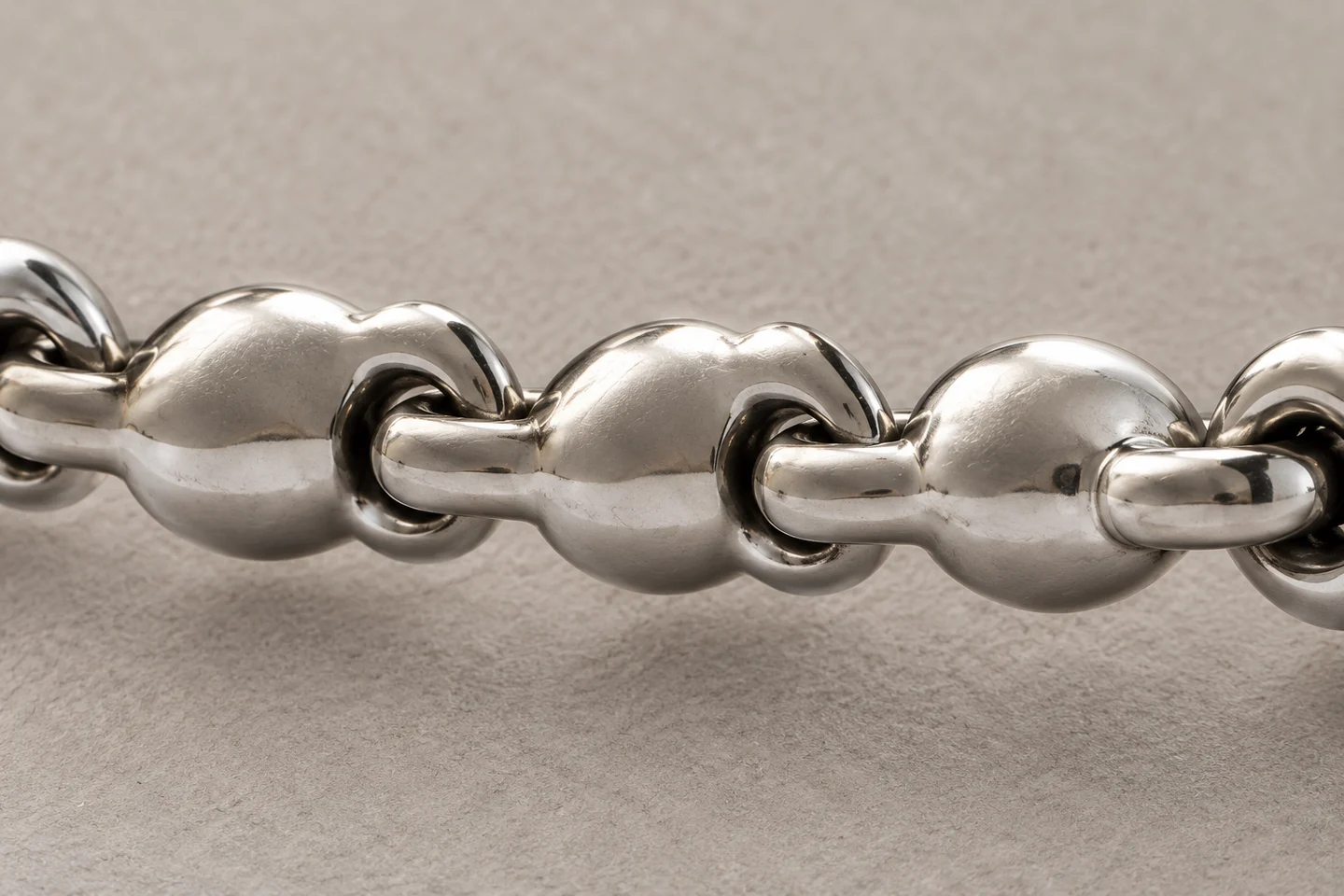
Keep D-Ring and Hanging-Cheek Options Separate
The cheek arrangement changes the connection drawing and the parts around the mouthpiece. For a D-ring sample, review ring outline and leather clearance. For a Baucher sample, add the upper attachment eye and its position relative to the main ring. Keep qualified fitting and use guidance with the selected configuration.
| Configuration | Sample drawing focus |
|---|---|
| D-ring | Ring outline, mouthpiece junction and attachment space |
| Baucher | Upper eye, main ring and mouthpiece-junction positions |
| Both | Complete link sequence, measured width and documented movement |
Agree the Width Before Labelling the Sample
Make size comparisons on the same measuring basis. Agree the pose, span and endpoints of the linked mouthpiece, including how its outer connections are counted. We can confirm the inch and metric dimensions on the selected drawing and sample before you use them for retail labels.
- IdentifyComplete model and drawing revision.
- DefineMeasurement pose and named endpoints.
- MeasureRecord the sample dimension in the agreed unit.
- LabelUse the accepted size description for that model only.
Review the Connections and Contact Edges
A linked mouthpiece is made and assembled as a sequence of defined segments and connections. We arrange the forming, connection work and finishing for the selected model, keeping the outer cheek attachments in the same product definition. The D-ring and Baucher versions retain their separate attachment geometry.
We check materials, dimensions and appearance, including the moving connections and assembly fit. For your sample, record the link sequence, outer connections and finished surfaces, then use the agreed measuring pose for the mouthpiece span. That makes the size and cheek decision reproducible with a clear measurement basis for your next order.
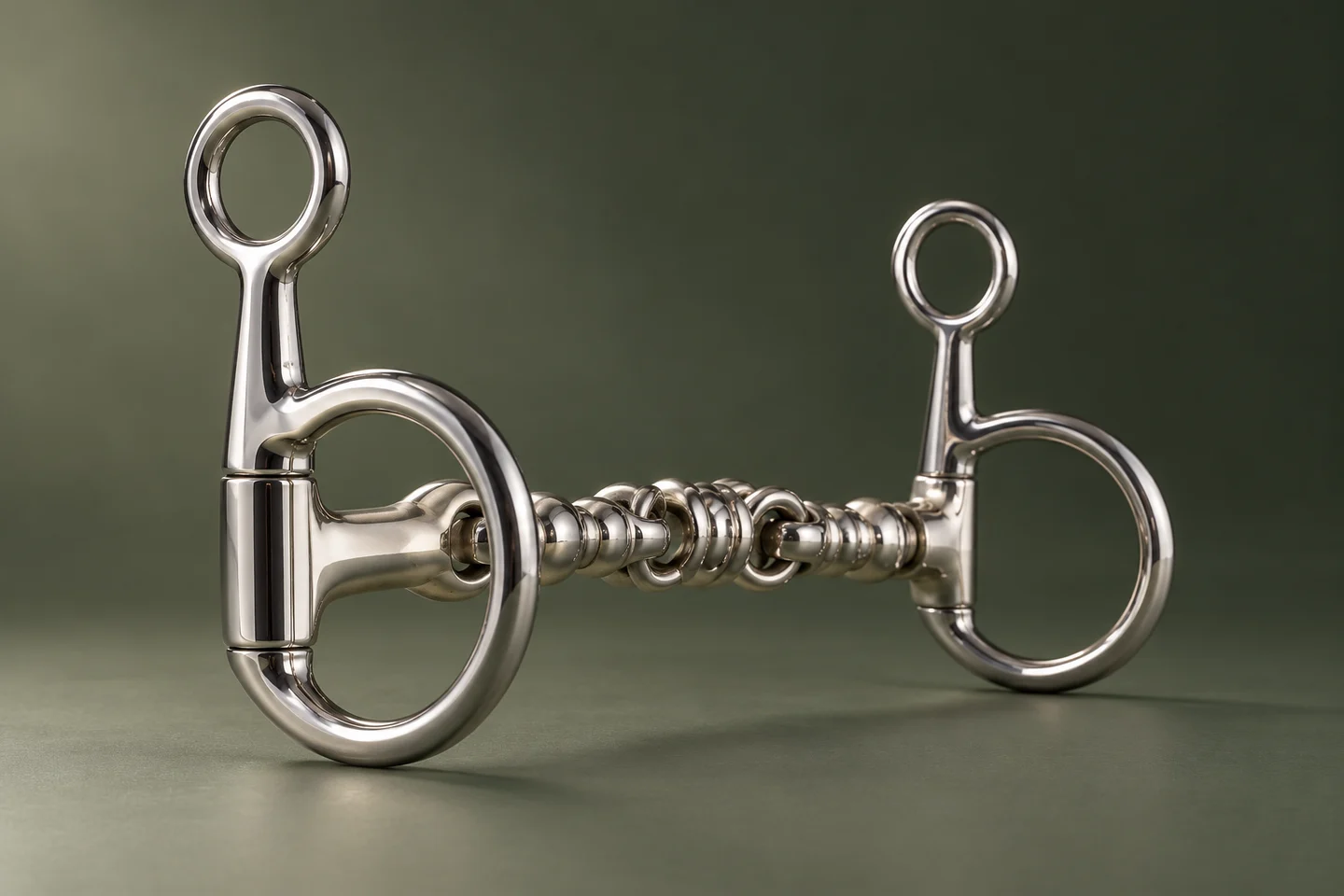
Make the Cheek Comparison Fair
If the purpose is to compare D-ring and Baucher supply versions, keep the mouthpiece construction and agreed width as comparable as the available models permit. Record any remaining difference. If your priority is the link construction itself, hold the cheek arrangement steady instead.
| Primary decision | Control first | Compare next |
|---|---|---|
| Cheek configuration | Link construction and width reference | D-ring versus Baucher geometry |
| Mouthpiece construction | Cheek arrangement and measured width | Link shapes, connections and movement |
| Repeat supply | Accepted complete model | Finished sample against retained reference |
Retain an Identifiable D-Ring Sample
Keep the final product photograph, link-sequence drawing and measurements with the accepted D-ring reference. That record gives your distributor team a concrete answer when a buyer requests the same Waterford configuration later. The D-ring sourcing guide and Baucher sourcing guide cover the surrounding attachment details.
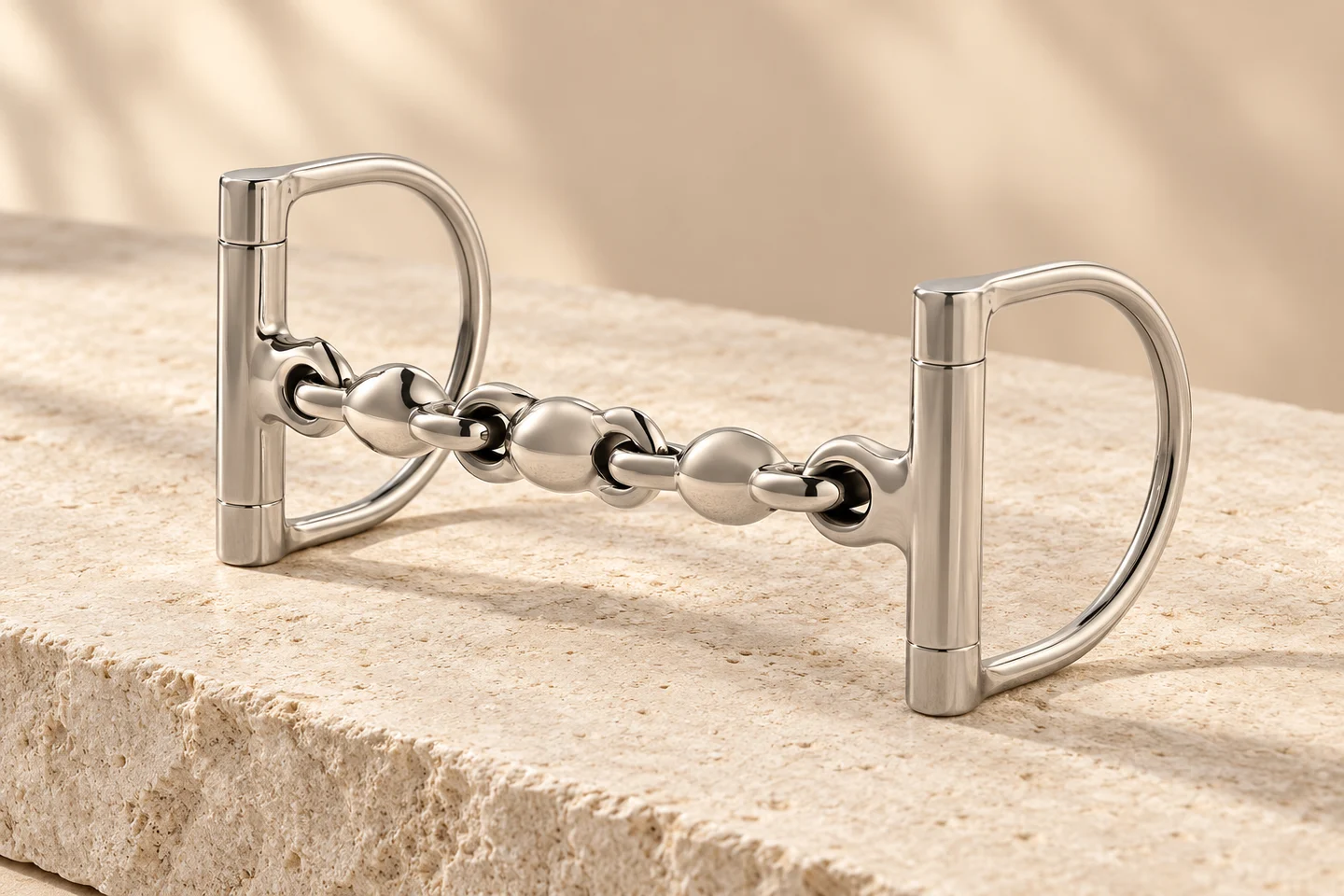
Define the Configuration in One Order Line
Use the complete code, cheek arrangement, agreed mouthpiece dimension and supplied inventory. Keep any size clarification with the sample reference, so a familiar name cannot bring an old ambiguity into a repeat order. For broader size planning, use the measured bit-size guide.
Model code plus accepted sample revision.
Complete link sequence, cheek configuration and size definition.
Individual bit quantity, included parts and requested packing.
Start a Waterford Bit Sample Discussion
Send the Waterford code or a clear product reference, together with your preferred cheek arrangement and size definition. We can discuss the actual linked-mouthpiece sample before you build a wholesale assortment.
We will review the model and configuration with you before a quotation is agreed. Include quantities and destination so sample, packing and delivery terms can be considered together.
Qingdao Relia Saddlery Co., Ltd.
info@reliasaddlery.com · +86 18561762631
Changjiang Road, Qingdao, Shandong, China
- Choose the productSend the model code, product link or your drawing.
- Describe your versionInclude the size, construction or appearance you need to discuss.
- Plan the next stepAdd quantity and destination, then agree the sample and quotation scope with us.