

Complete mechanism evaluation
Side-Opening Stirrup Designs for Your Range
Evaluate a side-opening stirrup as a complete mechanism, with the frame, connections and intended equipment reviewed together. We manufacture stirrups and can discuss the offered construction or your drawing. Choose one model, define the operation and assessment your range needs, then agree the sample scope. A visible opening or product name alone does not establish a release result.
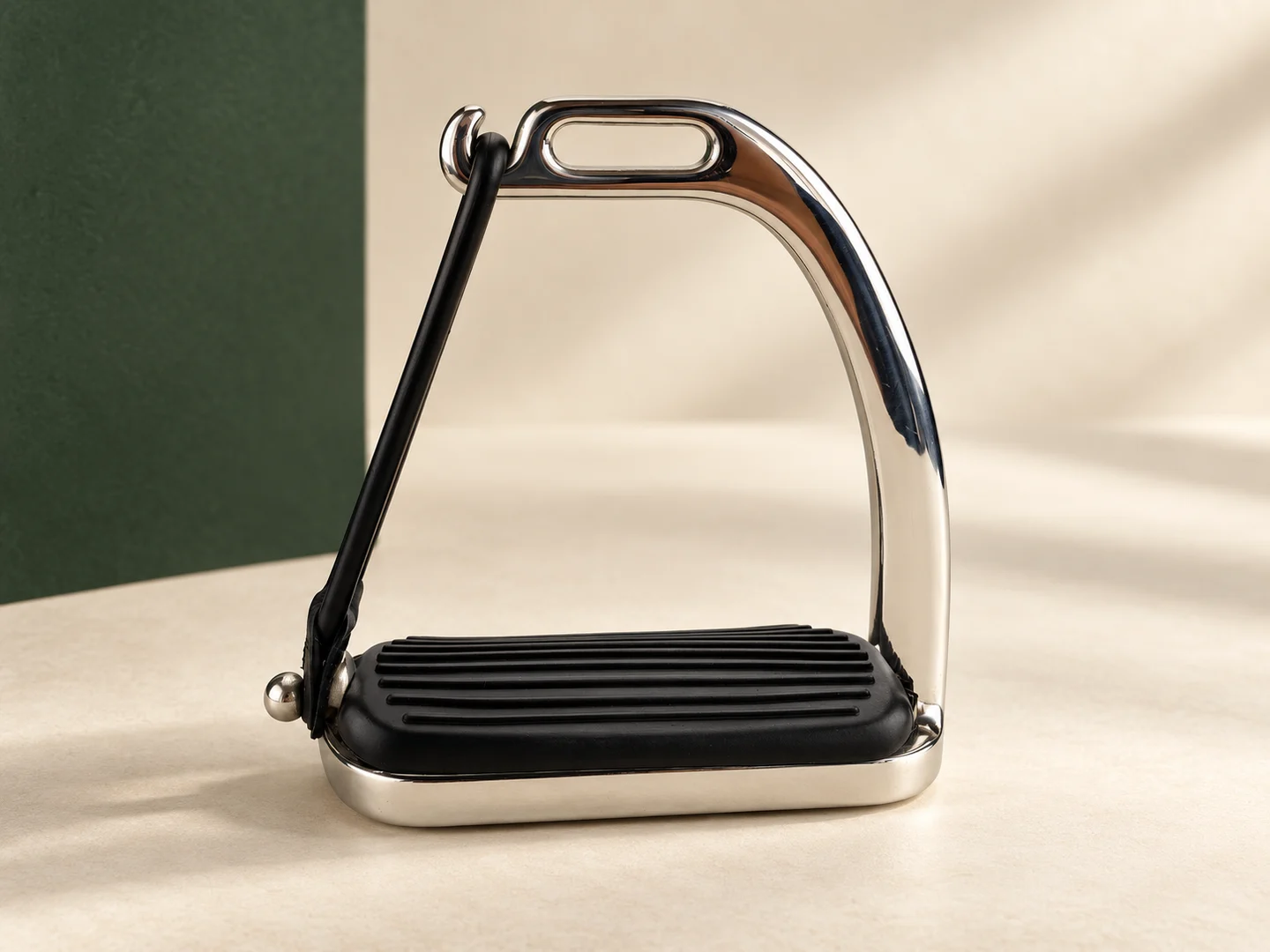
Separate the Offered Architectures
Choose an architecture before comparing material or appearance. Relia manufactures its own stirrups and checks materials, dimensions, appearance and moving-part or assembly fit. We keep each side construction with its component list and intended operating review, so your team evaluates the actual offered version.
Start with the offered architecture. A Peacock frame uses identified band and leather components, while other side constructions have their own materials and connections. Select one complete model so the component map, sample and operating review all describe the product your team is assessing.
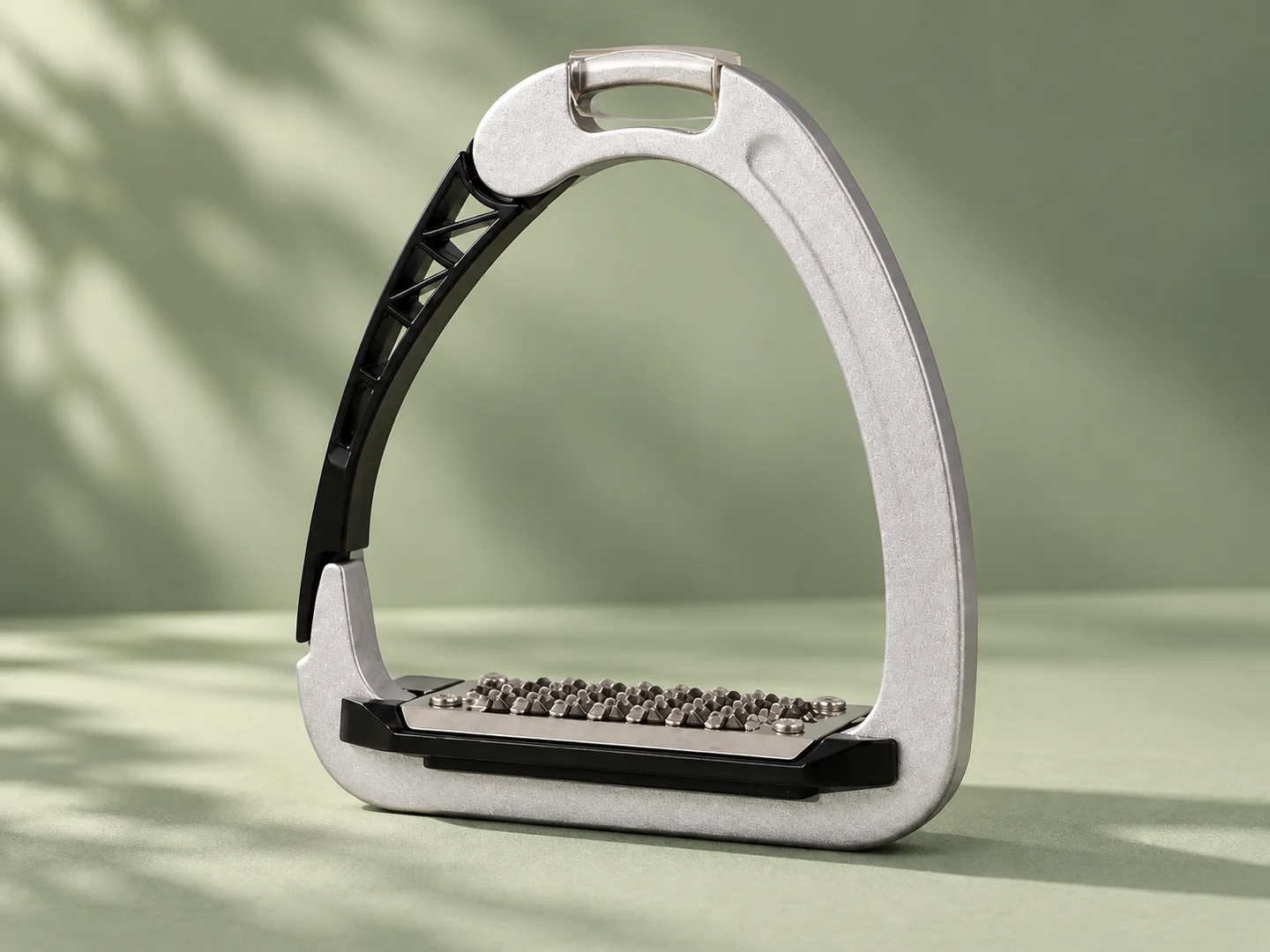
Use Structure to Organise the Comparison
The first comparison is how the side assembly is built, not what a marketing title promises. Identify the complete frame, attachment parts and tread before assigning an operating description.
| Architecture | Identify | Review separately |
|---|---|---|
| Peacock band arrangement | Frame, band and leather part where fitted | Actual attachment and instructions |
| Other side construction | Frame, side component and fixing | Exact operating sequence |
| Jointed frame | Moving joints within its own structure | Movement rather than assumed side release |
| All candidates | Complete model and fit dimensions | Model-specific evaluation needs |
Map Materials to the Complete Parts List
A frame material does not necessarily describe the side piece, tread or fasteners. Use one row per component and retain the selected finish separately. This makes later changes visible instead of hiding them inside a familiar product name.
Material, size and upper attachment.
All moving or retaining components and fixing.
Pad or insert, fasteners and complete contents.
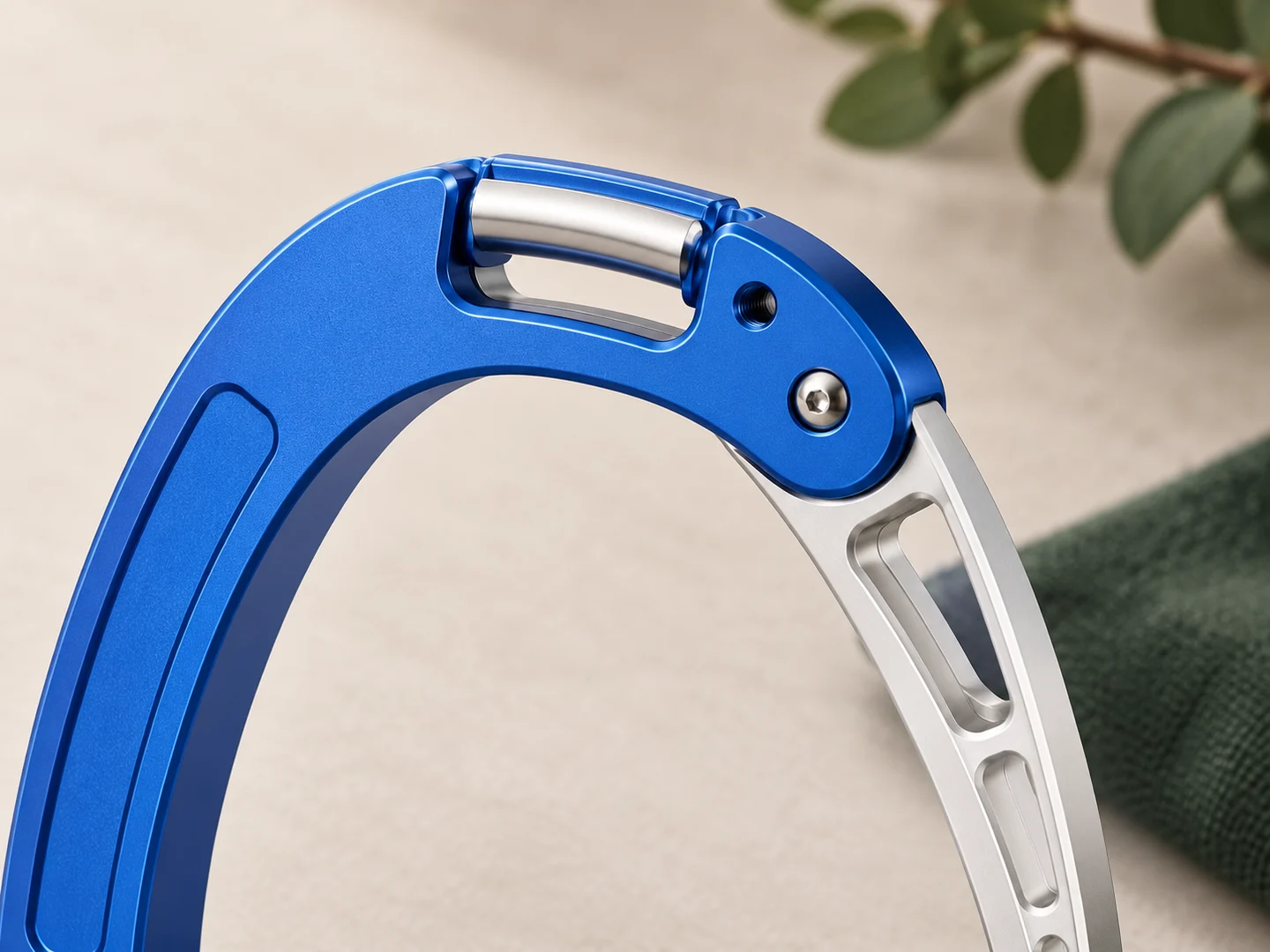
Review Connections in Their Actual Position
Close views help identify the relevant parts and their interfaces. The actual operating sequence still needs a model-specific demonstration. A static image should not be used to infer an opening force, release direction or protective result.
Connect Fabrication to Assembly-Specific Checks
The selected side architecture defines the parts to form, machine or connect and the features that retain them. We arrange those operations by model, then complete polishing, surface treatment and assembly with the specified frame, side parts and tread. Each construction keeps its own mating and retention details.
We verify materials and dimensions, inspect appearance and check moving parts and assembly fit. Review the exact operating arrangement with its instructions and intended equipment. Where your buying brief requires a protective or performance outcome, keep the applicable assessment method and result tied to that same component version; production fit checks and outcome testing answer different questions.
- Define parts
Freeze the complete component arrangement.
- Make interfaces
Review actual mating and retaining features.
- Assemble the version
Keep fixing, pad and side parts identifiable.
- Review operation
Use the exact sample and its instructions.
Match the Required Assessment to the Offered Version
For a required safety or performance outcome, use documentation that identifies the same model, components and conditions. Product names such as safety or breakaway are not substitutes for that information. The buying review should distinguish what the sample demonstrates from what still needs evaluation.
| Record | Match to the sample | Useful detail |
|---|---|---|
| Model identity | Complete reference and revision | Frame and mechanism |
| Components | Actual side parts, fixing and tread | Materials and part versions |
| Assessment | Applicable method and conditions | Required result and scope |
| Instructions | Same complete product | Operation, inspection and care |
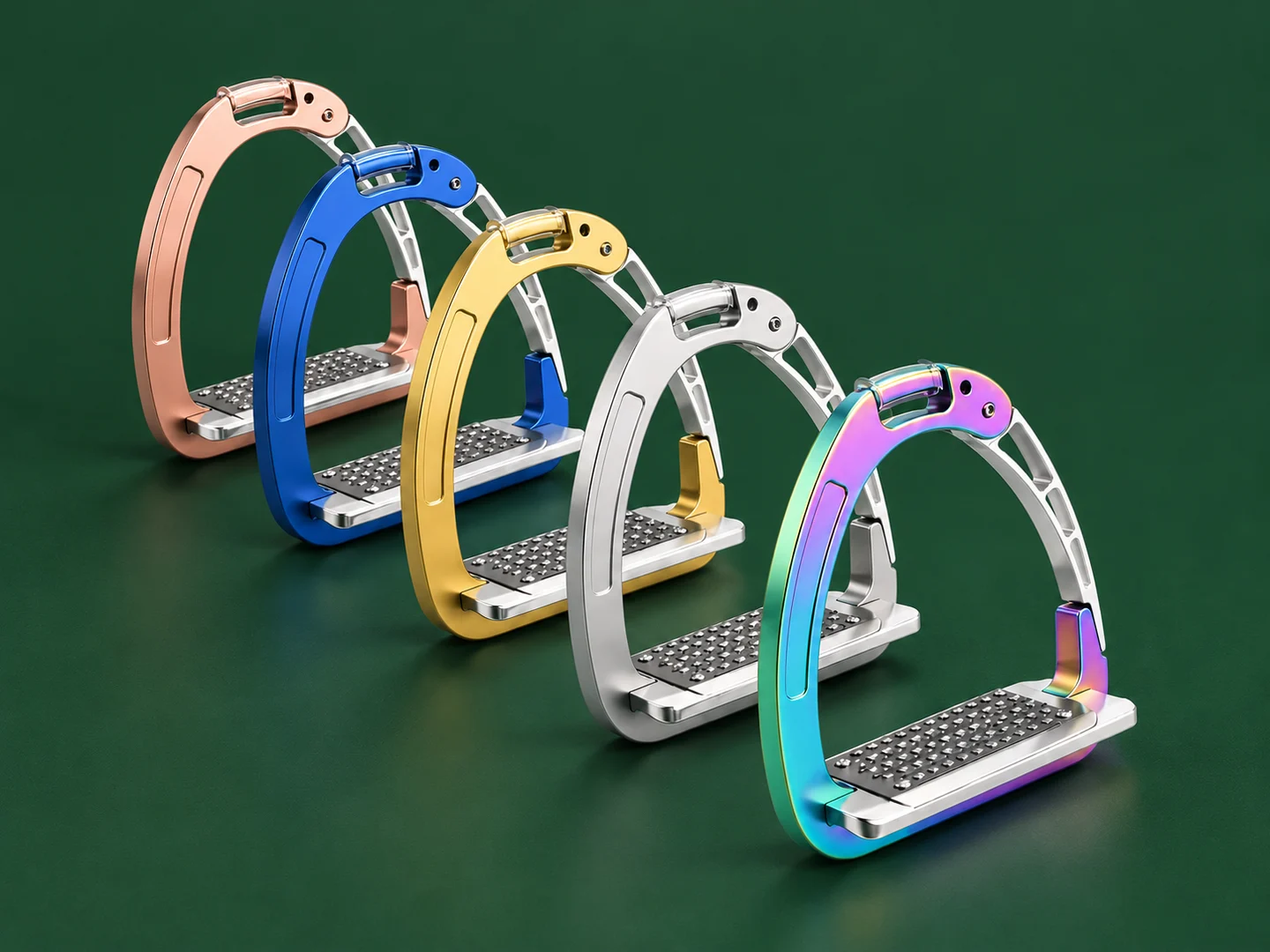
Choose the Complete Candidate for Review
Use ST2101, the contrasting-side reference or the alternative side construction as distinct candidates. Selection begins with the complete model and intended task, followed by fit and operating review.
Keep Fit, Instructions and Spares Connected
The chosen frame remains the reference for replacement parts and maintenance information. Use the detailed guides to keep those supporting decisions model-specific.
Set the Scope for a Mechanism Sample Review
Send the exact reference, intended use, boot and leather arrangement and sample quantities. Include the operating and assessment requirements your purchasing team needs to evaluate the offered construction. Send your reference and required quantity to info@reliasaddlery.com, call +86 18561762631, or use WhatsApp +1 404 203 0971. Qingdao Relia Saddlery Co., Ltd., Changjiang Road, Qingdao, Shandong, China. You can also send a product enquiry.
- Choose the productSend the model code, product link or your drawing.
- Describe your versionInclude the size, construction or appearance you need to discuss.
- Plan the next stepAdd quantity and destination, then agree the sample and quotation scope with us.