
COLLAR AND LEASH RINGS
D-Rings and O-Rings for Collar and Leash Brands
Choose a D-ring or O-ring with the finished strap and mating snap beside it. Compare where the strap sits, where the hook engages and how the joint meets those contacts. Keep opening and section dimensions on a marked drawing so you can choose the material and appearance around a complete collar or leash connection.
- Choose the shapeD and O forms organise contact differently.
- Keep full labelsRetain section and opening information.
- Show the jointCompare the completed connection.
Choose for your application
Give the ring a position in the actual product
Relia can discuss D-ring and O-ring routes beside the folded strap, detachable snap or other components they receive. Identify that position first, then compare the selected opening, section and joint as part of the actual connection.
Let the connection define the ring
- Folded strapIdentify the attachment region used by the strap.
- Detachable snapShow the ring section entering the hook.
- Several componentsShow how each part shares the opening.
Read the design and specification notes
Relia can discuss a D-ring where the strap needs a straight attachment region and a separate O-ring where the layout calls for a circular form. Show whether the ring receives a folded strap, a detachable snap or several components. The selected model's opening and section then become part of that actual route, with its joint or closure construction retained in the product description.
Choose for your application
D and O forms offer different contact layouts
A D-ring has a straight region for a strap attachment; an O-ring has a circular outline. Compare those layouts with the intended route, then define section and opening dimensions instead of treating the shapes as equivalent colour options.
Choose a shape for its role
- D form
- Compare the straight strap-contact region.
- O form
- Compare the circular contact route.
- Either form
- Retain actual section, opening and joint information.
Read the design and specification notes
The straight side of a D-ring can provide a defined strap-contact region; an O-ring has a continuous circular outline. Compare those shapes in the intended route rather than treating them as equivalent colour options. The selected section and opening still need dimensions for either form.
Choose for your application
Keep different size formats in separate product rows
The steel multi-axis family, stainless 3-inch D-ring, stainless 5.0 × 1-inch D-ring and nominal 17 mm O-ring use different notation. Retain each full label and mark its actual axes before using it as a fit dimension.
Ask us to confirm the unit for YF11411SS's 5.0 entry and the measured axis for the 17 mm O-ring on the quotation drawing.
Keep each ring identity intact
- YF11404ST
- Steel with full multi-axis millimetre options.
- Stainless D-rings
- YF11436SS: 3 inch; YF11411SS: 5.0 × 1 inch.
- Stainless O-ring
- Nominal 17 mm with its axis still to identify.
Read the design and specification notes
YF11404ST has a Steel material description and five full mm option strings. YF11436SS has Stainless Steel and a 3-inch label; YF11411SS has Stainless Steel and 5.0×1 inch. The separate stainless O-ring has a 17 mm label. These different size formats still need the relevant axes marked before they can serve as fit dimensions.
| Reference | Material description | Size notation |
|---|---|---|
| YF11404ST | Steel | Three-value mm strings |
| YF11436SS | Stainless Steel | 3 inch |
| YF11411SS | Stainless Steel | 5.0×1 inch |
| 17 mm stainless O-ring | Stainless Steel | 17 mm |
A closer product look
Keep the whole dimension string beside a drawing
The 4.0 × 25 × 20 mm YF11404ST option is more informative than a bare 25 label. Keep all three values, then mark section and opening axes on the selected drawing instead of assigning those meanings from notation alone.
Mark the section and opening axes beside all three values before comparing fit.
Turn a label into a usable comparison
- Complete labelRetain 4.0 × 25 × 20 mm.
- Marked sectionIdentify the section axis on the drawing.
- Marked openingIdentify the relevant clear-opening dimensions.
Read the design and specification notes
The YF11404ST option 4.0×25×20 mm gives more information than a bare 25 label. Mark which axis is the section and which dimensions describe the opening on the selected drawing. Retaining all three values keeps the range comparison readable without assigning undocumented axes.
Construction and making
Compare the finished ring after forming and joining
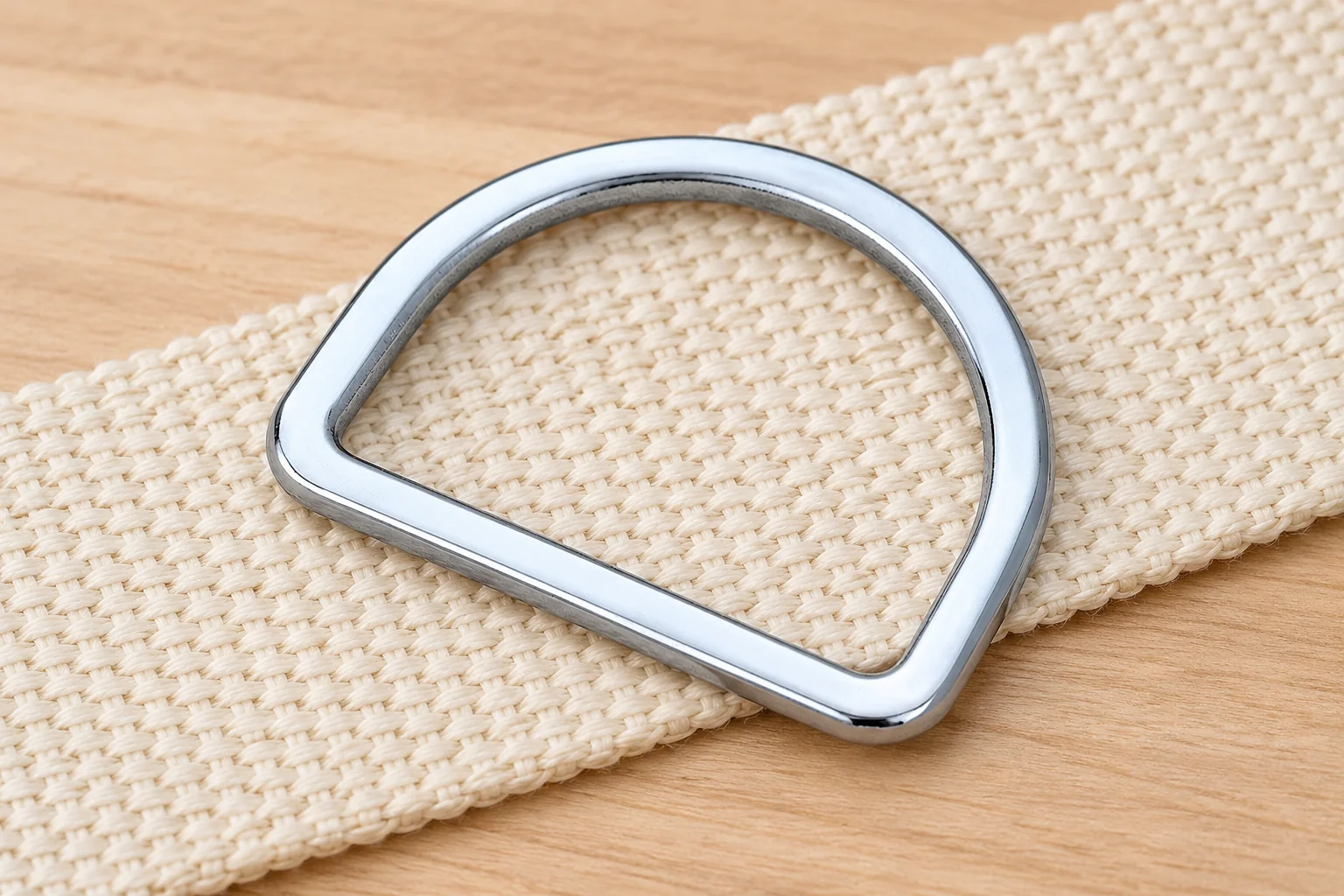
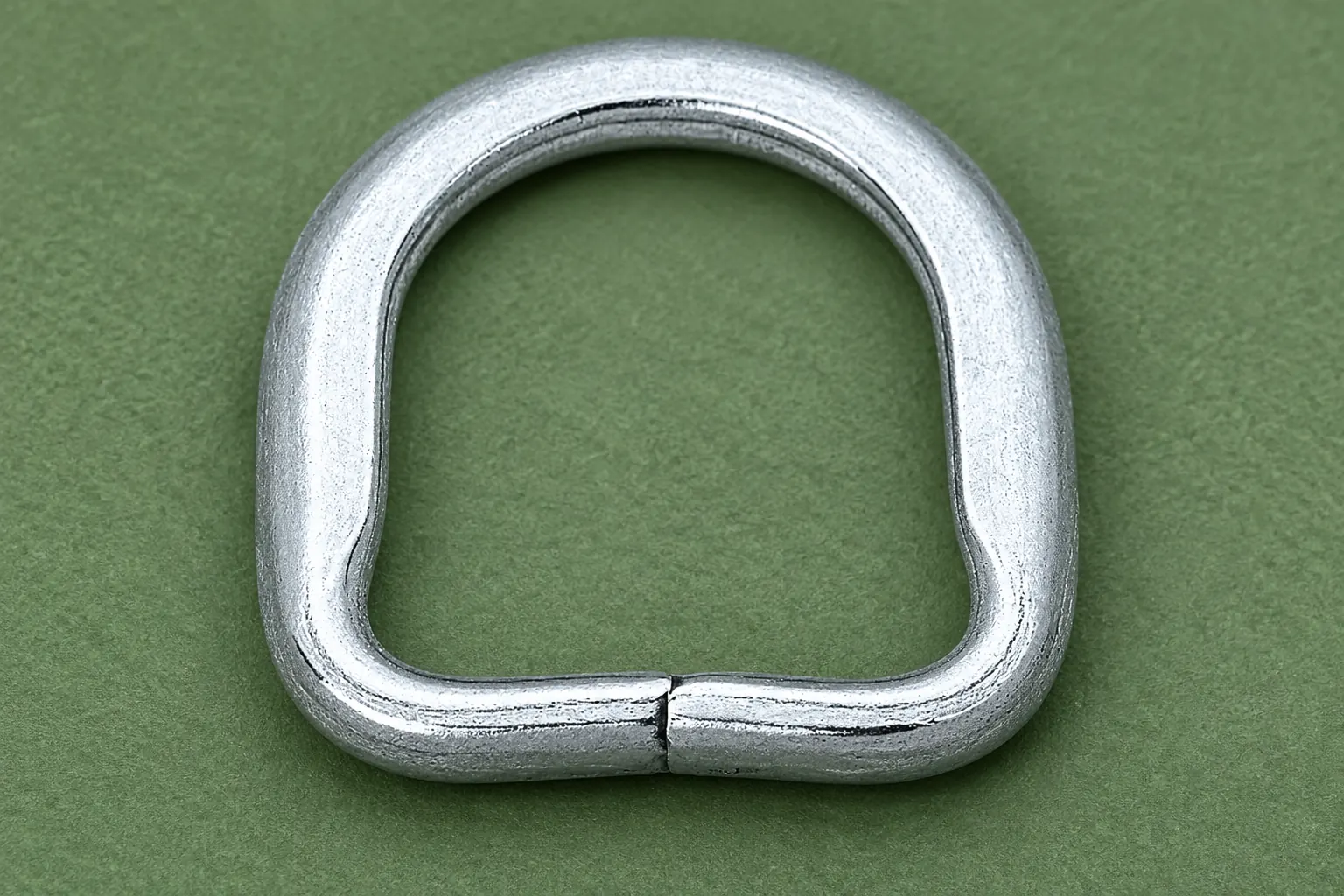
For a proposed wire-formed and joined ring, local heating and cooling can change the completed geometry. Joint finishing affects the contact surface separately. Compare the opening, straight region where present and finished joint with the actual strap and snap. Keep the selected ring’s full size label until its axes and units are assigned.
Keep the Finished Ring Measurable
- YF11404ST familyRetain all three values of the selected size and mark their axes.
- YF11411SS and O-ringResolve the 5.0 unit or the 17mm measurement position on the selected drawing.
- Completed connectionCompare joint, strap fold and mating-snap contact together.
Read the design and specification notes
For a wire-formed and joined ring, compare the completed opening, straight strap-contact area and finished joint after the forming and joining route is agreed. For YF11436SS, put any required load or use evaluation in the brief for that actual connection. Compare the finished sample with its strap and mating snap rather than assigning a rating from the joint form.
Share the product link and your intended use, with these details:
- Selected ring link, full size label and intended material or appearance
- Marked opening and section axes, joint form and completed strap-end view
- Mating-snap dimensions and quantities by ring version
A closer product look
Place the joint beside the mating components
A joint matters within the whole connection, not as an isolated detail. Include the folded strap thickness and mating snap so the comparison shows where contact occurs and what clearance the hook needs to engage the ring.
Compare the ring between its contacts
- Strap sideShow the finished layers around the ring.
- Ring jointLocate the joint relative to those contacts.
- Snap sideShow the hook opening and engaging section.
Read the design and specification notes
Place the ring beside the folded strap and the intended snap. Show the material thickness around each contact point and the clearance needed to engage the hook. This makes the shape comparison relevant to the finished collar or leash rather than only the loose ring.
Choose for your application
Coordinate appearance after the ring is identified
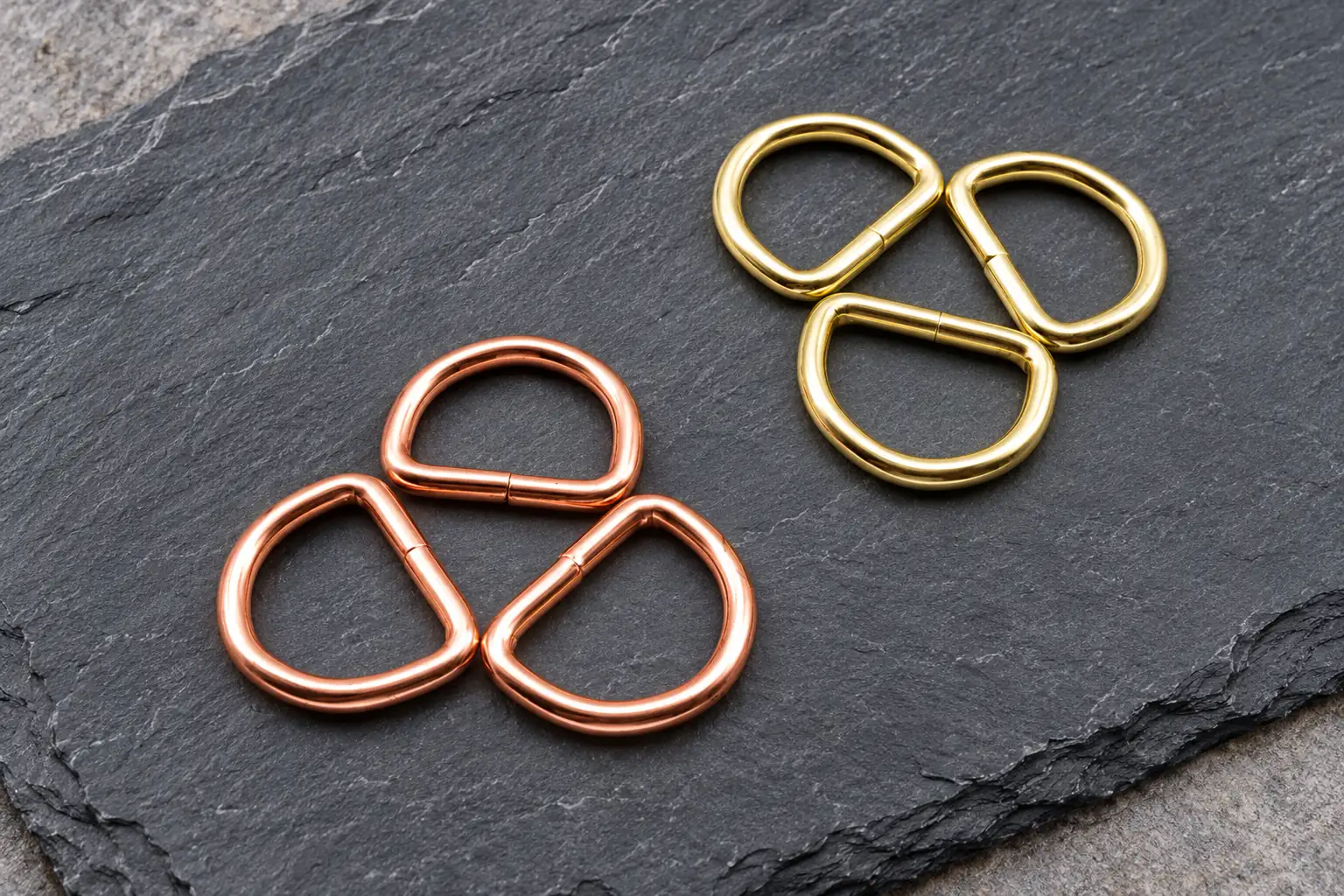
The steel YF11404ST options include Rose Gold and LIGHT GOLD, while the two stainless D-rings offer Bright Nickel. Keep model and required material beside the selected appearance; a colour name cannot identify an alloy or its grade.
Keep material and appearance independent
- Steel family
- YF11404ST: Rose Gold or LIGHT GOLD.
- Stainless D-rings
- The stated appearance option is Bright Nickel.
- Selected ring
- Keep shape and full size with the colour.
Read the design and specification notes
The steel YF11404ST family offers Rose Gold and LIGHT GOLD; the two stainless D-ring options offer Bright Nickel. The same colour does not identify the same alloy. Keep the model and required material alongside the finish when coordinating the selected rings.
A closer product look
Send the ring with its mating-component details
Tell us the linked ring and full option, finished strap end and mating-snap dimensions. Separate shape, material and appearance on the request; an eye-ended circular connector is another part rather than a plain O-ring alternative.
Prepare a clear ring enquiry
- ChooseName the ring and complete option label.
- ShowInclude marked axes, joint and finished strap.
- ConnectAdd mating-snap section and quantities by version.
Read the design and specification notes
Share the chosen ring link, full option label, strap-end view and mating-snap dimensions. Separate pieces by shape, material specification and appearance. An eye-ended circular connector is another component form, so describe it separately from the plain O-ring when building the request.
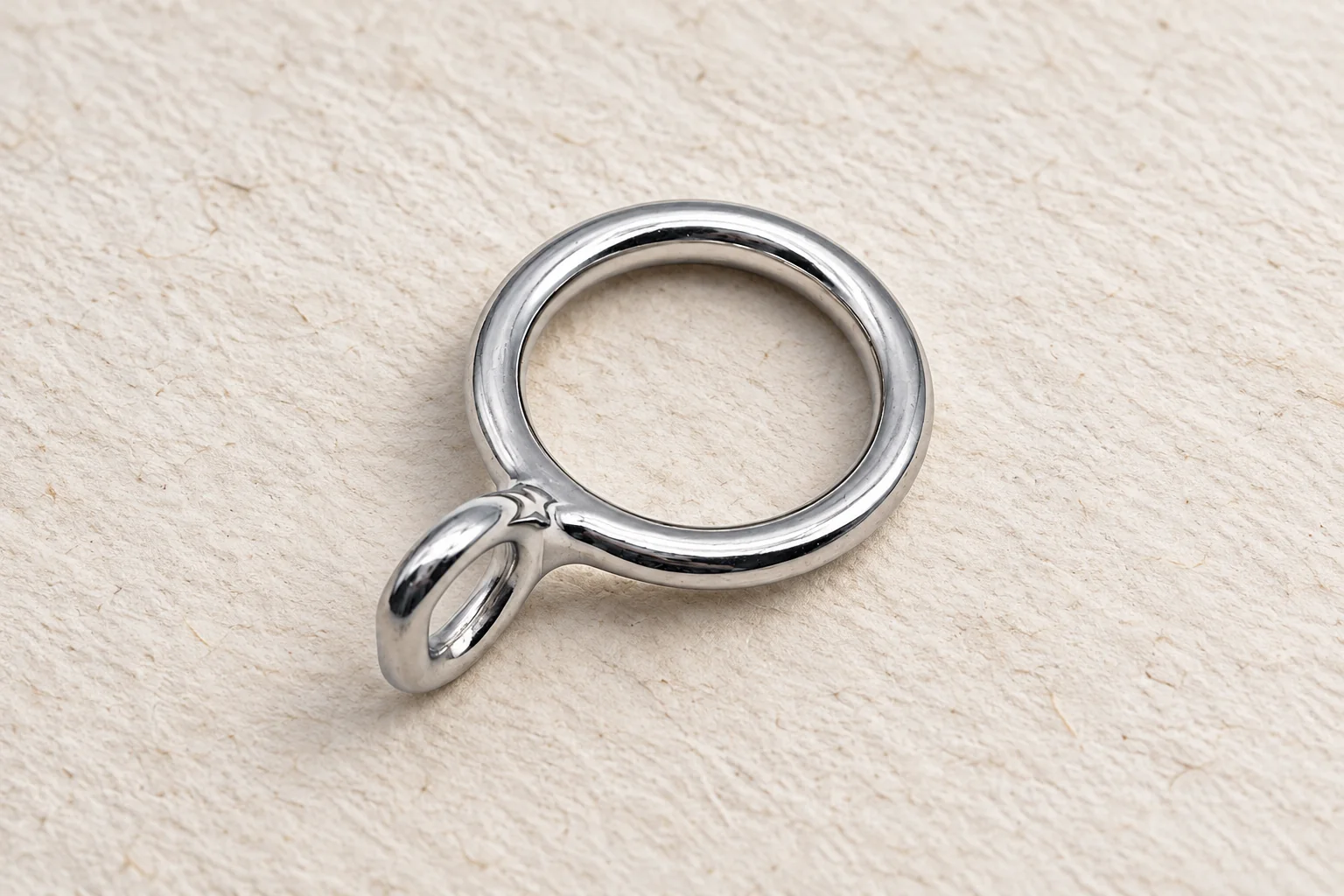
Products behind these choices
YF11404ST Metal D Rings for Dog Leash and Equestrian Tack with Full mm/inch Size Labels
Choose a steel D-ring using its complete multi-axis option string.
View this product →YF11436SS Welded Stainless Steel Wire D-Ring for Handbags
Compare the nominal 3-inch stainless welded D-ring with its finished joint.
View this product →Stainless Steel D-Ring, Bright Nickel - YF11411SS
Clarify the 5.0 × 1-inch label before comparing the stainless D-ring.
View this product →Stainless Steel O-Ring, As Picture, Nominal 17mm(0.67in)
Explore the circular stainless form while clarifying the 17 mm axis.
View this product →Start a product discussion
Confirm the Ring Dimensions for Your Assembly
Send the full size option with a marked ring drawing showing the section, clear opening and joint. For YF11411SS, confirm the unit attached to 5.0; for the 17 mm O-ring, identify the measured axis. These details turn the size label into a useful quotation and sample comparison.
Keep the confirmed 5.0 unit and 17 mm measurement axis with the selected ring version.
Qingdao Relia Saddlery Co., Ltd.Changjiang Road, Qingdao, Shandong, ChinaProduct discussion details
Make the final geometry unambiguous
- SectionMark its dimension and unit explicitly.
- OpeningIdentify the clear-opening axes used for fit.
- JointDescribe the chosen form and final contact condition.