

BODY AND SMALL-AREA BRUSHES
Horse Body and Face Brushes for a Defined Range
Choose body and face brushes around the grooming task and the way the tool sits in the hand. Compare compact and handled shapes, then define the head size, contact material and feel you want to sample. This separates a useful brush choice from a colour-only addition to your range.
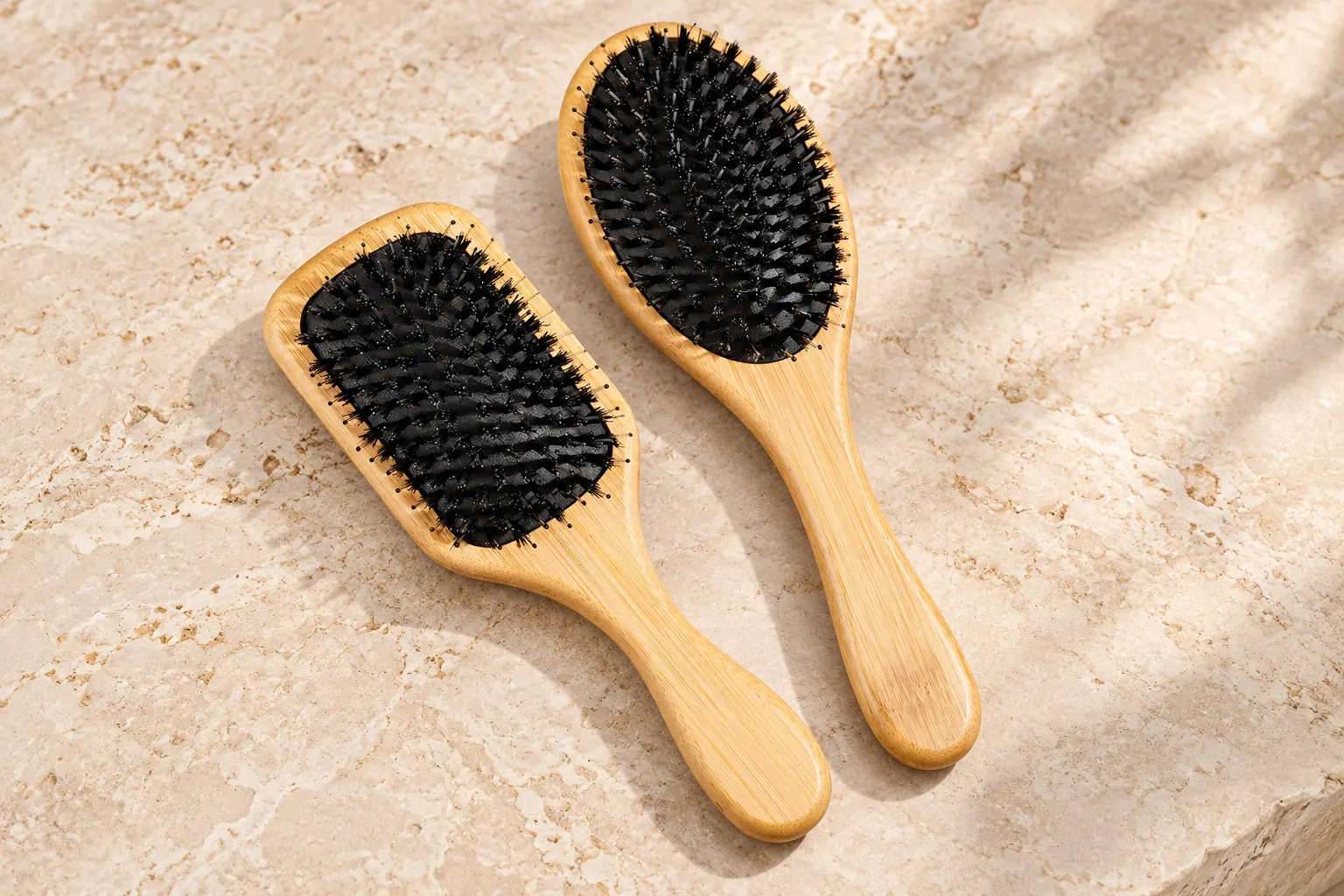
- Choose the taskSeparate dirt removal from finer brushing.
- Compare the faceSpecify tufts or pins and desired feel.
- Keep the gripHead and hand-contact shape belong together.
A closer product look
Use the compact brush’s own dimensions
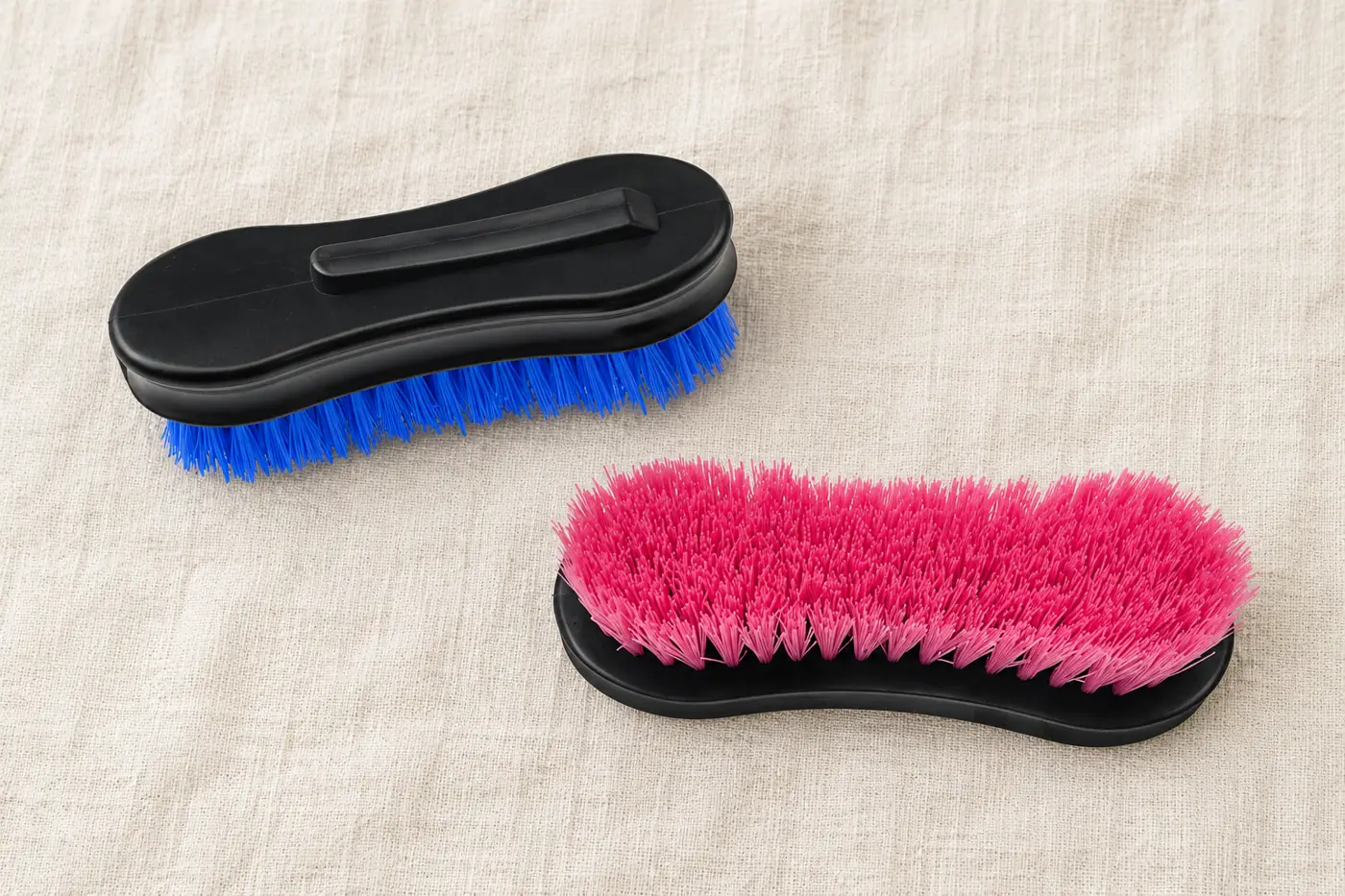
Relia can discuss 06022 as a PP compact-brush reference with a 12.5 × 4 × 4.4 cm envelope, 70.5 g and Black option. Keep its head and grip dimensions separate from the desired working material and feel.
Choose the confirmed Black option for 06022 and compare the actual contact material and feel in the sample.
Keep envelope and face as separate choices
- Envelope
- 06022: 12.5 × 4 × 4.4 cm.
- Selected option
- The product offers Black; stated mass is 70.5 g.
- Working face
- Describe the material, layout and feel to compare.
Read the design and specification notes
Relia's 06022 gives you a PP brush with a 12.5×4×4.4 cm envelope, a 70.5g weight and Black option. That is a useful starting point for a small-brush enquiry alongside the beech and handled forms. We can discuss the selected head and grip with you, while the actual working material, tuft arrangement and desired feel remain separate decisions from the backing size.
Choose for your application
Describe the face around its grooming task
Removing loosened dirt and brushing finer dust are different jobs. Name the contact task, then describe actual tufts or pins and their arrangement so a small head is not automatically presented as a soft face brush.
Translate the task into a face brief
- Dirt removalIdentify the working face intended for that role.
- Finer brushingDescribe the contact material and profile to compare.
- Small-area useConsider head size without assuming softness.
Read the design and specification notes
Choose the grooming task first, such as removing loosened dirt or brushing finer dust. Then compare the actual tufts or pins, their arrangement and the contact area. Request the working feel you want evaluated on a sample instead of choosing softness from the head size alone.
Construction and making
Tuft positions and trimming change the working profile
For tufted brushes, insertion positions set the bundle layout and trimming establishes exposed profile. Specify filament material, length and layout together. Align the selected tool’s actual route; a pin or moulded-tooth face should not inherit a tufting explanation.
Confirm the selected face construction and the softness or firmness you want compared.
Connect construction to the chosen face
- Tuft insertionPositions determine the bundle arrangement.
- TrimmingExposed profile becomes part of the working face.
- Selected versionKeep material and desired feel with the layout.
Read the design and specification notes
For a tufted brush, insertion positions determine where the bundles sit and trimming establishes their exposed profile. Changing that face can create a different tool even when the backing is unchanged. For the selected 06022 or wooden-brush version, align the actual manufacturing route and describe filament material, exposed length and tuft layout together. A pin-face or moulded-tooth tool needs its own construction description rather than being assigned that tufting process.
Share the product link and your intended use, with these details:
- Selected brush product, selected option and intended grooming role
- Marked head-and-grip dimensions with tuft, pin or contact-face details
- Desired softness/firmness comparison and unresolved component or dimension questions
A closer product look
Compare the handled form as a different grip
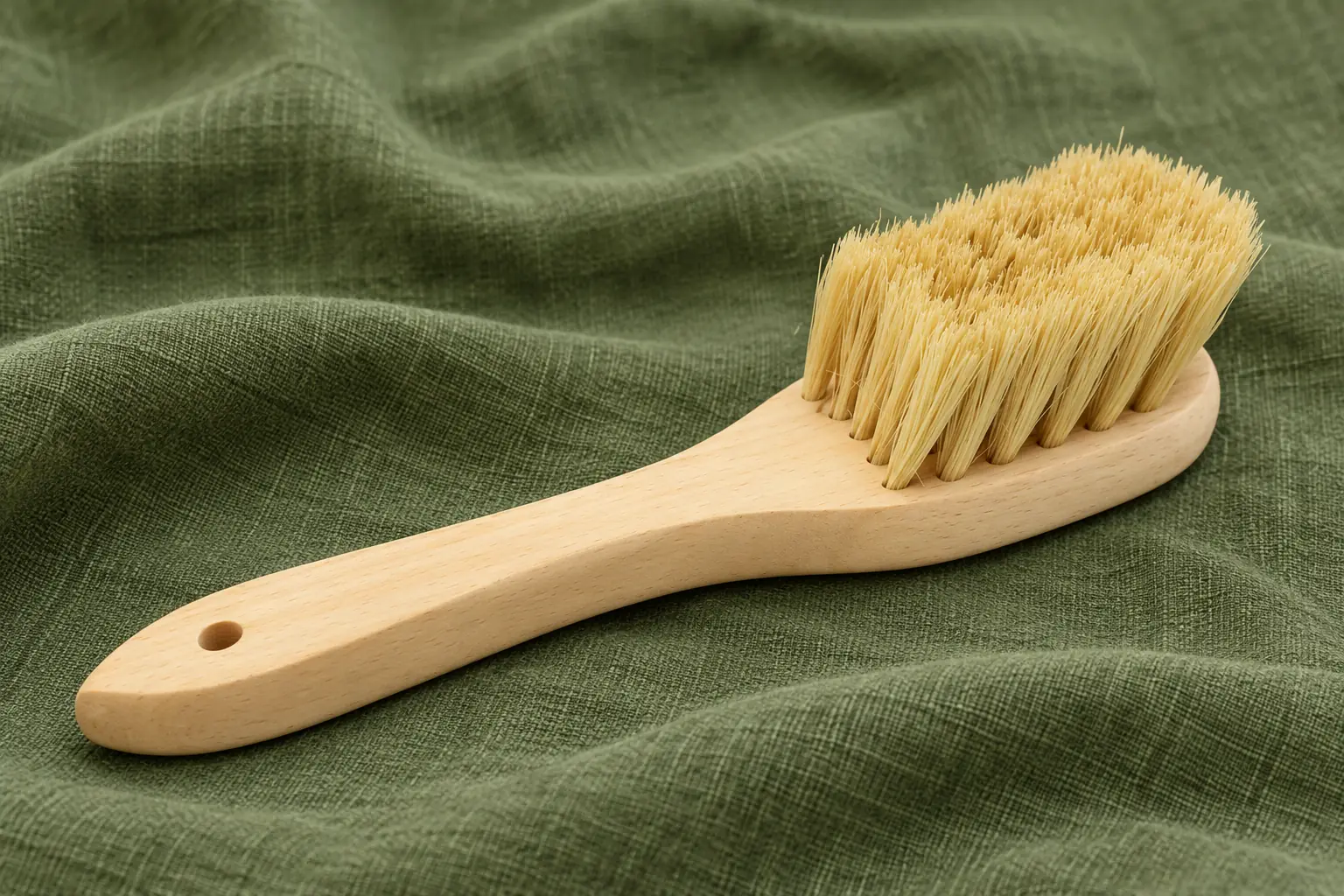
The wooden handled brush has a rounded head and an end hole for a different grip from a palm-held form. Confirm the 14 × 6 cm measurement axes on a head-and-handle drawing, then compare the working-face size, hand-contact length and storage point you need.
Mark the measured axes of the 14 × 6 cm description on the selected brush drawing.
Read the tool from head to handle
- Rounded headShow the actual working-face dimensions.
- HandleInclude the hand-contact length and profile.
- End holeShow its position in the grip and storage view.
Read the design and specification notes
Keep the rounded head, handle profile and end hole together on the selected brush drawing. Mark the axes of the 14×6 cm size and add the working-face and grip dimensions that matter to the range. We can use that drawing for a focused handling and size comparison.
Choose for your application
Keep option labels and head sizes product-specific
The individual beech brush offers Yellow, Blue and 5527, while the separate plastic-backed face brush uses Standard. Define each tool’s actual envelope instead of borrowing 06022 dimensions or treating 5527 as a measurement.
Keep 5527 as an option name and request measured dimensions for the Standard version.
Keep the brush versions distinct
- Beech brush
- Use the exact Yellow, Blue or 5527 option.
- Plastic-backed reference
- Standard needs its own dimensional description.
- Compact 06022
- Its stated dimensions apply only to that product.
Read the design and specification notes
The individual beech brush offers Yellow, Blue and 5527 as option names. The separate plastic-backed face brush uses a Standard size label. Define the latter's required head-and-grip envelope instead of borrowing the 06022 dimensions for a different tool.
| Reference | Product detail | Next selection |
|---|---|---|
| 06022 | PP;12.5×4×4.4 cm | Contact face |
| Individual beech brush | Beech; three option names | Selected head and option |
| Handled wooden brush | Wooden;handled form | Dimension axes |
| Plastic-backed face brush | Plastic;Standard label | Required envelope |
Choose for your application
Keep the hand-contact area beside the head
Show the grip length, profile or back-strap arrangement alongside the selected head. This lets a brand separate palm-held and handled lines coherently instead of hiding a changed grip behind a new brush outline or backing colour.
Connect the head to the way it is held
- HeadKeep the chosen contact face visible.
- GripShow the actual hand-contact profile.
- Whole toolCompare head and grip as one version.
Read the design and specification notes
Show the handle length, grip profile or back-strap arrangement you want compared. Keep that geometry beside the head, so a change in brush outline does not hide a different grip. This helps a brand organise a palm-brush line and a handled-brush line coherently.
A closer product look
Allocate materials to backing and contact components
A plastic backing can coexist with other inset, pin or contact materials. Name each component needed for the selected brush so Plastic, Beech Wood or an air-cushion description does not stand in for the entire construction.
Break the brush into material roles
- BackingIdentify the support material.
- InsetSpecify any separate inset component.
- Contact faceDescribe the actual tufts, pins or other working parts.
Read the design and specification notes
A plastic-backed tool can have an inset and contact components of different materials. Record each component required for the selected brush. This is clearer than allowing a broad Plastic, Beech Wood or air-cushion label to stand for the entire working construction.
Choose for your application
Distinguish a new face from another colour
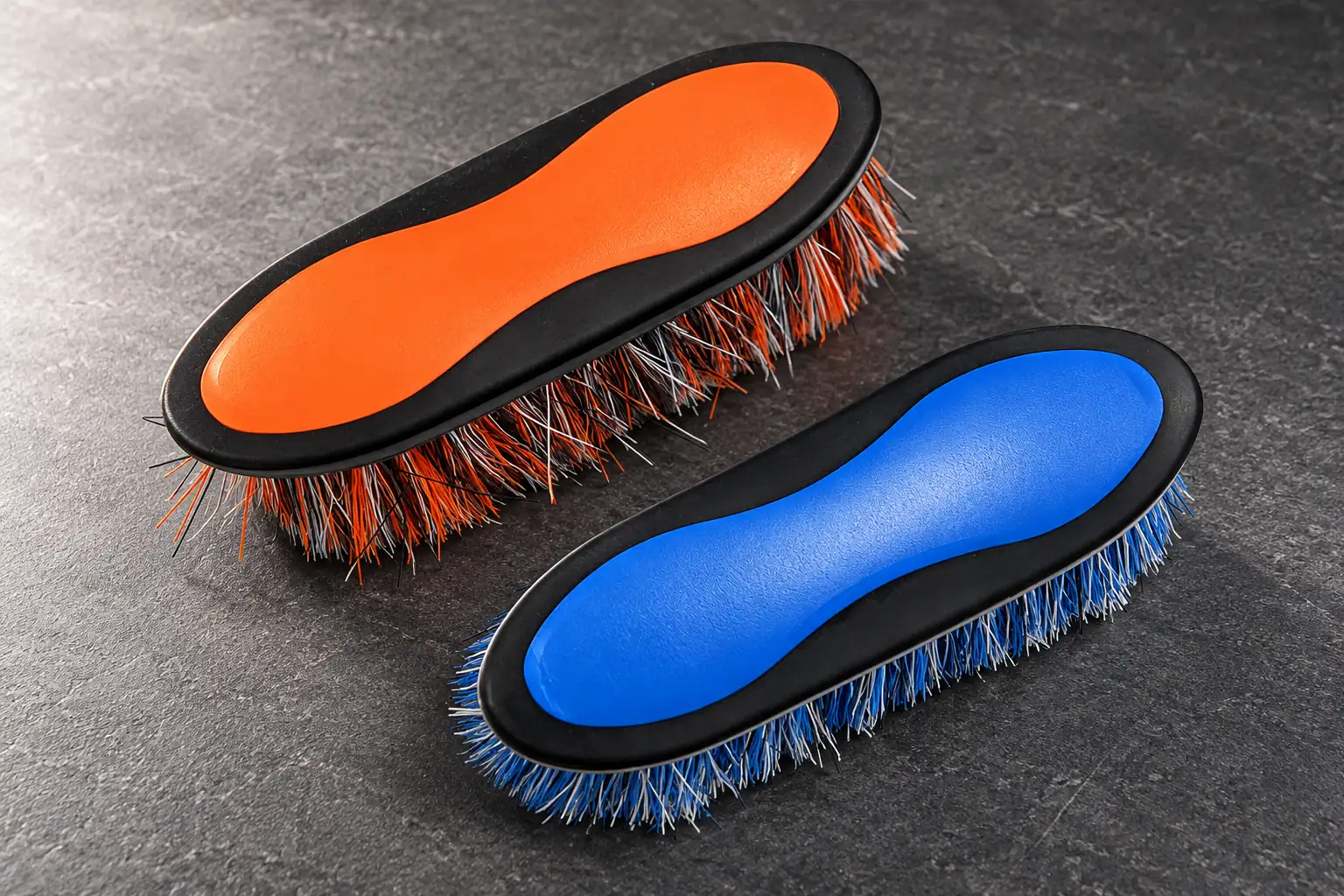
Keep model, option, head dimensions and working-face description together. A changed tuft or pin layout or grip creates another configuration, while a colour-only version should remain identifiable without becoming a new performance claim.
Make range differences meaningful
- IdentityKeep the model and selected option.
- ConstructionDescribe the head, face and grip together.
- Change typeSeparate colour from a new contact configuration.
Read the design and specification notes
Keep model, option, head dimensions and working-face description together. Separate a colour-only variant from a new contact-face or grip configuration. Retail descriptions can then explain the real difference between brushes instead of presenting every change as a new performance claim.
Products behind these choices
Beech Wood Horse Brush with Dark Inset and Tufted Face
Choose the beech brush version and the working face you want to compare.
View this product →06022 PP Horse Face Brush with Black Colour Choice
Use the compact 06022 dimensions and Black option as a specific starting point.
View this product →Handled Horse Bristle Brush with Rounded Head and End Hole
Compare the handled wooden grip while clarifying its 14 × 6 cm axes.
View this product →Plastic Horse Grooming Brush, Face Use and Custom Colour Enquiries
Define the separate Standard plastic-backed tool’s own envelope and components.
View this product →Start a product discussion
Send the brush face and grip you need
Send the brush shape you prefer, head and grip dimensions and the grooming task it should serve. Describe the working material and feel you want compared, then add quantities and destination. We can discuss a sample around those actual handling and contact choices.
Qingdao Relia Saddlery Co., Ltd.Changjiang Road, Qingdao, Shandong, ChinaProduct discussion details
Prepare the brush-range enquiry
- ChooseName the product and exact option.
- DescribeShow head, grip and working-face construction.
- CompareState desired feel and any dimensions to confirm.