

Wholesale buying guide
Horse Bits by Mouthpiece and Cheek Combination
We manufacture horse bits as complete mouthpiece-and-cheek assemblies, including designs from your drawings with your logo. Choose the construction first, then define mouth width, component materials and sizes. Keep those choices together so your quotation and sample describe the whole bit your business wants to buy.
- MouthpieceName the bar or central-link form
- CheeksKeep side geometry with the model
- Width basisMark endpoints between the cheeks
Choose for your application
A Complete Model Gives the Enquiry Direction
Relia produces horse bits and supports your drawings and customer logos. Compare the mouthpiece profile, centre connection and cheek arrangement as one design. Then mark the required width and component materials on the same drawing, giving each size in your range a clear construction to follow.
Start with the Whole Combination
- BT0314
- Oval-link and round-ring branch
- BT1117
- Shaped-bar branch
- BT0319
- D-cheek branch
Read the design and specification notes
Keep BT0532 or BT0532RED with the complete selected model. Compare BT0314, BT1117 and BT0319 as distinct mouthpiece-and-cheek combinations, each with its own width drawing and component requirements. This gives a range enquiry clear individual products rather than several similar centre details.
| Model | Chosen model and option | Comparison focus |
|---|---|---|
| BT0532 | BT0532 / BT0532RED | Complete mouthpiece and rings |
| BT0314 | BT0314 | Central-link arrangement |
| BT1117 | BT1117 | Shaped-bar arrangement |
| BT0319 | 1 | D-cheek construction |
Choose for your application
Cheeks and Mouthpieces Create Separate Choices
A similar central link can sit beside different cheeks. Compare the full side arrangement with the mouthpiece so the centre detail does not stand in for the complete construction you want supplied.
Compare Both Parts of the Choice
- Centre
- Bar or link geometry
- Cheeks
- Ring or side-piece shape
- Model
- One combined configuration
Read the design and specification notes
Keep ring or cheek geometry separate from the mouthpiece description. An oval central link can appear with different side arrangements, so the link alone does not identify the bit. Your range sheet should show both the centre construction and the complete cheeks, with one model code for the combined configuration.
A closer product look
The Oval Link Needs Its Adjacent Bars
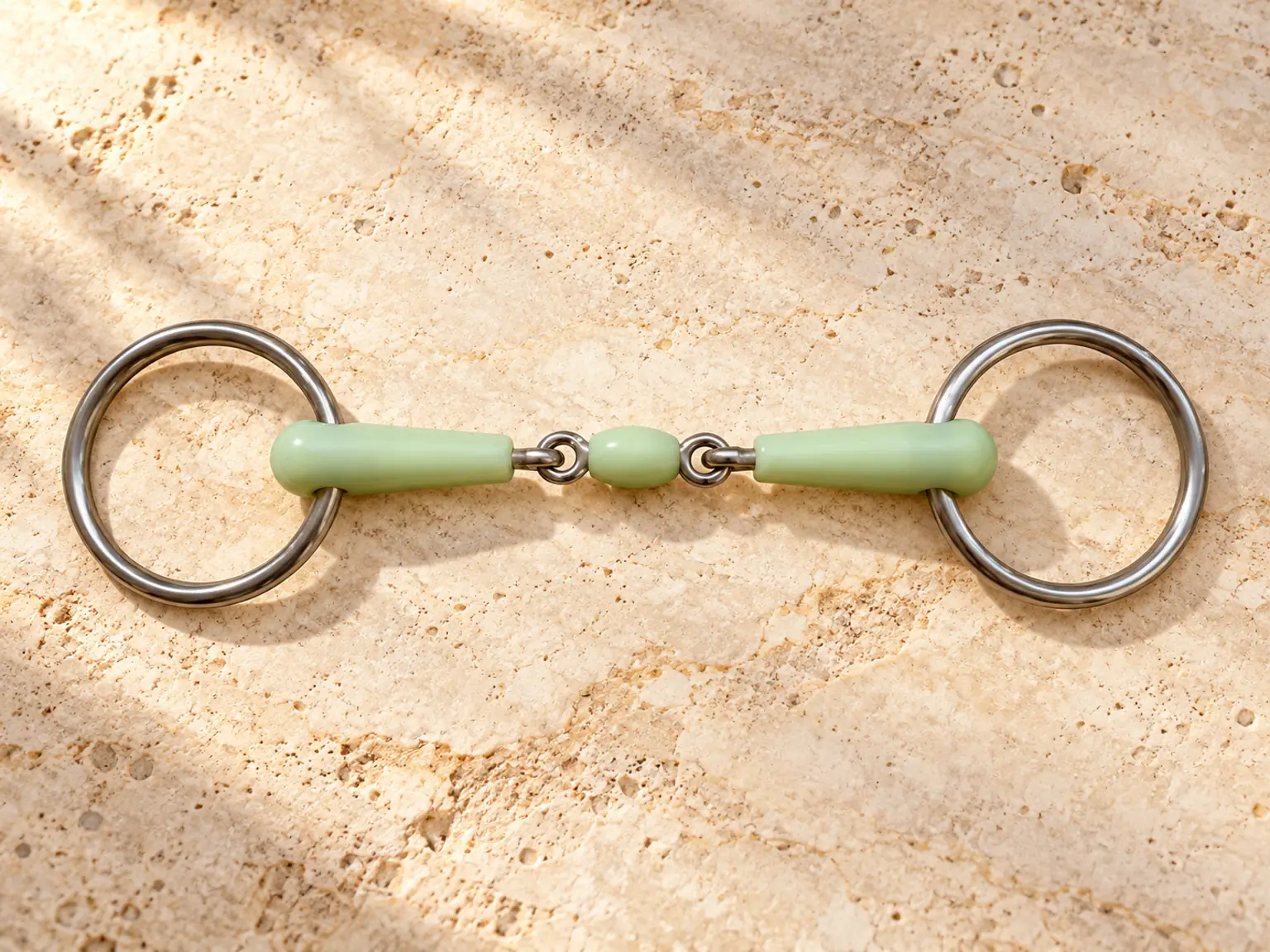
BT0314 offers an oval-link and round-ring comparison. Locate the link and adjoining bar sections on the drawing so the sample discussion addresses geometry rather than a predicted effect on the horse.
Keep the structural sample comparison separate from the horse's individual fitting assessment.
Read the Oval-Link Layout
- LinkRequired central dimensions
- BarsAdjacent sections and junctions
- RingsSide arrangement for this branch
Read the design and specification notes
For BT0314, compare the oval link, adjoining bar sections and round side rings together. Mark the central dimensions and ring arrangement that matter to your range, then compare the complete sample with that drawing. Individual horse fitting remains a separate assessment.
Choose for your application
Mouth Width Requires a Shared Measurement Path
Mark the mouth-width endpoints between the cheeks, then add bar and joint dimensions. Keep the selected model and all requested sizes on that same drawing so we can compare a complete sample and prepare a clear quotation.
Confirm the mouth-width measurement path and required dimensions for each selected bit.
Build the Width Drawing
- EndpointsChosen mouth-width convention
- SectionsBar and joint dimensions
- SidesSeparate cheek measurements
Read the design and specification notes
Mark a shared mouth-width path between the cheeks and state its endpoints. Add the bar sections, joints and cheek dimensions, then keep that drawing with the selected model and each requested size. This gives the sample and later reorders one clear dimensional basis.
Construction and making
Shaping and Finishing Affect Different Contact Features
In our horse-bit production, we check materials, dimensions, appearance, moving parts and assembly fit. Casting, forging or stamping and later machining, welding, polishing, surface treatment or assembly are arranged according to the model. Mouthpiece shaping defines the bar and link geometry; joined designs add junctions; finishing addresses exposed contact surfaces. Keep those features on the complete drawing when comparing the finished version. Explore the horse-bit casting work in our workshop.
Connect the Bit Drawing with the Finished Check
- Component geometryMouth-width endpoints, mouthpiece profile and complete cheeks.
- Joints and movementSelected link, ring connections and assembly fit.
- Material and surfaceChosen component material and completed appearance.
Read the design and specification notes
We select the making route for the complete bit: the mouthpiece and cheeks need their geometry established, joined parts need their connections formed and exposed surfaces need finishing. Compare the finished sample at those same features, with the required material, dimensions and movement checks attached to the chosen assembly.
Share the product link and your intended use, with these details:
- Complete geometry: Name the mouthpiece, central connection and cheek model.
- Width drawing: Mark mouth-width endpoints and component dimensions.
- Material and quantity: Give component material requests and quantities by size.
A closer product look
The Shaped Bar Is a Distinct Branch
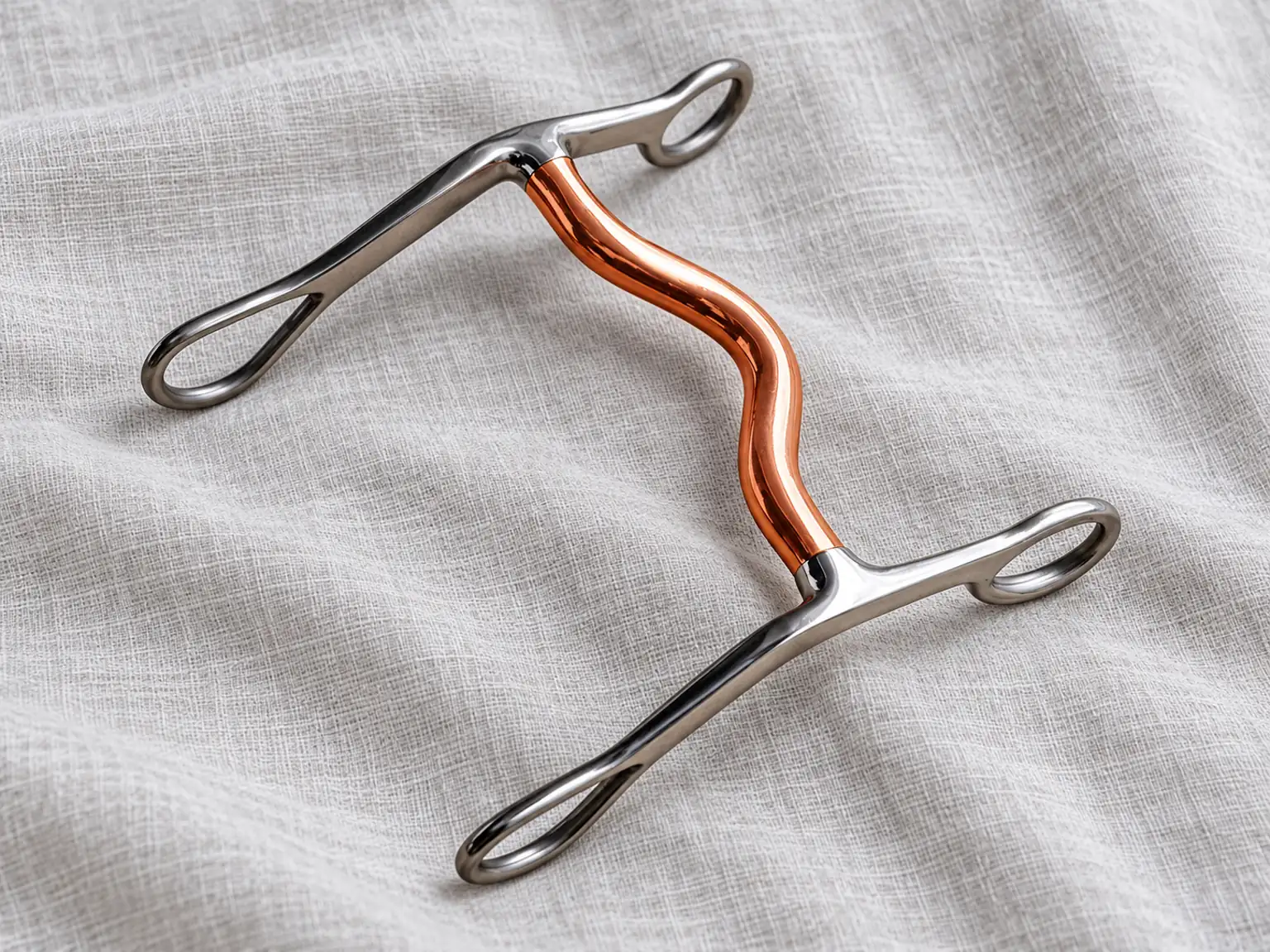
BT1117 shows a wavy bar with its side arrangement. Compare total width, bar profile and side dimensions on the same version, keeping that contour distinct from the central-link models.
Describe the Shaped-Bar Version
- ProfileSelected visible contour
- WidthMarked measurement path
- SidesComplete side-component dimensions
Read the design and specification notes
BT1117 introduces the wavy-bar view and its own side-component arrangement. Select this branch when that geometry is what you want compared with your reference product. Keep total mouthpiece width, bar profile and side-piece dimensions together; the visible contour is more useful than treating every model as a generic snaffle.
Choose for your application
Sizes Should Follow the Complete Model
Choose each mouthpiece-and-cheek combination first, then add its requested sizes. That gives later reorders a clear construction identity instead of changing the central link or cheek geometry during a width change.
Build the Range in Two Steps
- ModelComplete mouthpiece and cheeks
- SizeRequested dimensions for that model
- QuantityUnits for each accepted version
Read the design and specification notes
Create separate lines for each accepted mouthpiece/cheek combination, then add the requested size beneath it. That structure prevents a later size reorder from changing the central link or cheek type. It also makes quotations clearer when several differently shaped bits share the same finish request.
| Range level | Keep fixed |
|---|---|
| Model | Mouthpiece plus cheek construction |
| Size | Named drawing dimensions |
| Appearance | Requested finish or option |
A closer product look
The D-Cheek Picture Identifies a Separate Version
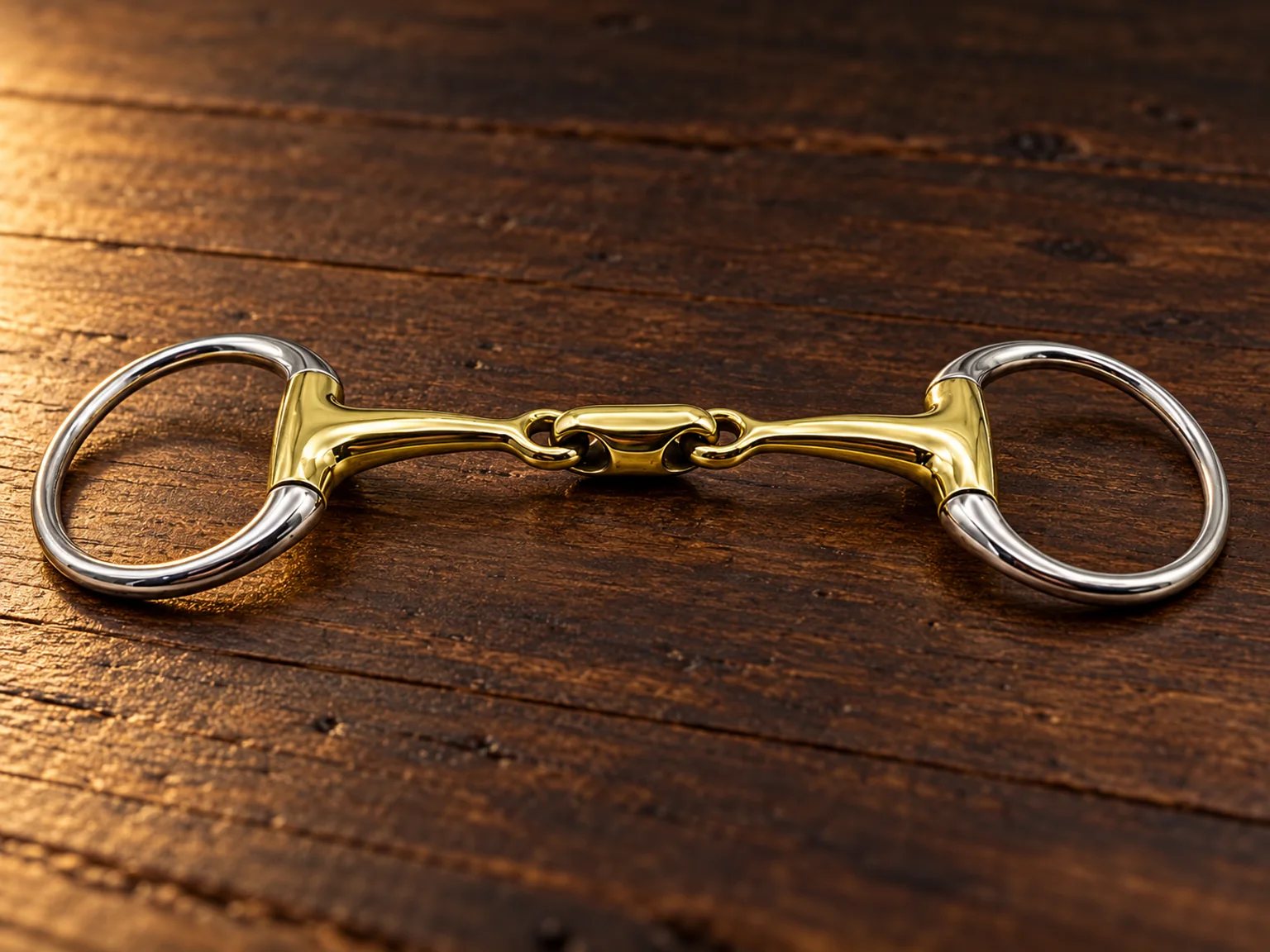
BT0319 combines an oval-link centre with D-shaped cheeks. Keep option 1 with the complete product drawing, then state the mouth width and component materials you want. This makes it a separate range choice alongside the round-ring construction.
Keep the D-Cheek Choice Explicit
- Cheeks
- D-shaped side arrangement
- Centre
- Selected oval-link configuration
- Option 1
- Confirm dimensions and materials
Read the design and specification notes
For the BT0319 option 1, keep the D-shaped cheeks and oval-link centre on one drawing. State its mouth width and component materials separately, then compare the whole sample with the round-ring BT0314 only where that distinction affects the range you want to buy.
Products behind these choices
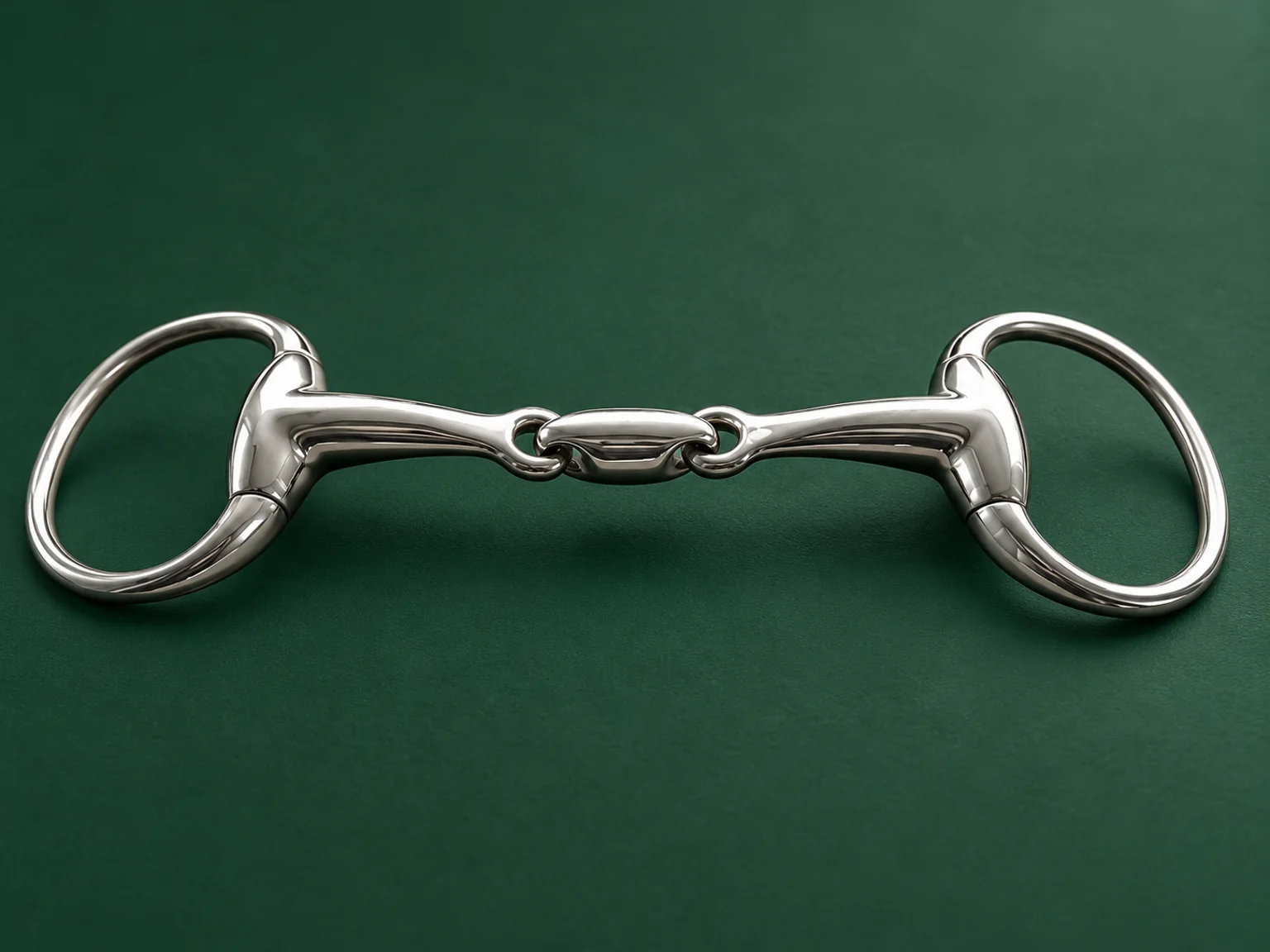
Stainless Steel Snaffle Horse Mouth Ring Bit BT0532 / BT0532RED
Keep BT0532 and BT0532RED option identities on a complete bit request.
View this product →Stainless Steel Horse Bit, BT0314 Label, Pictured Oval Link
Compare BT0314 oval-link geometry with its round side rings.
View this product →Stainless Steel Horse Bit, BT1117 Label, Pictured Wavy Bar
Choose BT1117 for a separate wavy-bar and side-component comparison.
View this product →Stainless Steel Horse Bit, Pictured Oval Link and D-Rings
Compare the D-cheek branch using its own width and side drawing.
View this product →Choose your next product decision
Find the Bit Guide for Your Buying Decision
Start with the cheek and mouthpiece family, then follow the size or material decision for the complete model. For your own design and logo, use the drawing-based development guides.
Connect the Sample with the Specification
Compare cheek and mouthpiece constructions as a complete model. Identify the exact sample or product code, then use its configuration to plan the range you want to source.
For an own-design project, continue to our drawing and logo development routes with your dimensions and component details.
Connect the Bit Sample with Its Specification
Select the section, joint arrangement and nominal size.
Identify the ring or cheek form and the complete assembly.
Choose the model, then identify any drawing and logo changes.
Start a product discussion
Send One Drawing for Each Complete Bit
Send one complete mouthpiece-and-cheek drawing for each bit, with the mouth-width endpoints marked. Add component-material requirements, your logo artwork if needed and quantities by size. We can discuss a quotation and sample around that defined assembly.
Qingdao Relia Saddlery Co., Ltd.Changjiang Road, Qingdao, Shandong, ChinaProduct discussion details
Build Your Enquiry
- Complete geometryName the mouthpiece, central connection and cheek model.
- Width drawingMark mouth-width endpoints and component dimensions.
- Material and quantityGive component material requests and quantities by size.