

FACTORY SOURCING
Factory Sourcing for Equestrian Trade Buyers
Start with the buying task you need to move forward: a new range, an additional source, an old replacement part or your own design. Relia manufactures horse bits, spurs and stirrups and offers a wider equestrian range. Choose the route below, then send the product, drawing or retained assembly that makes your requirement clear.
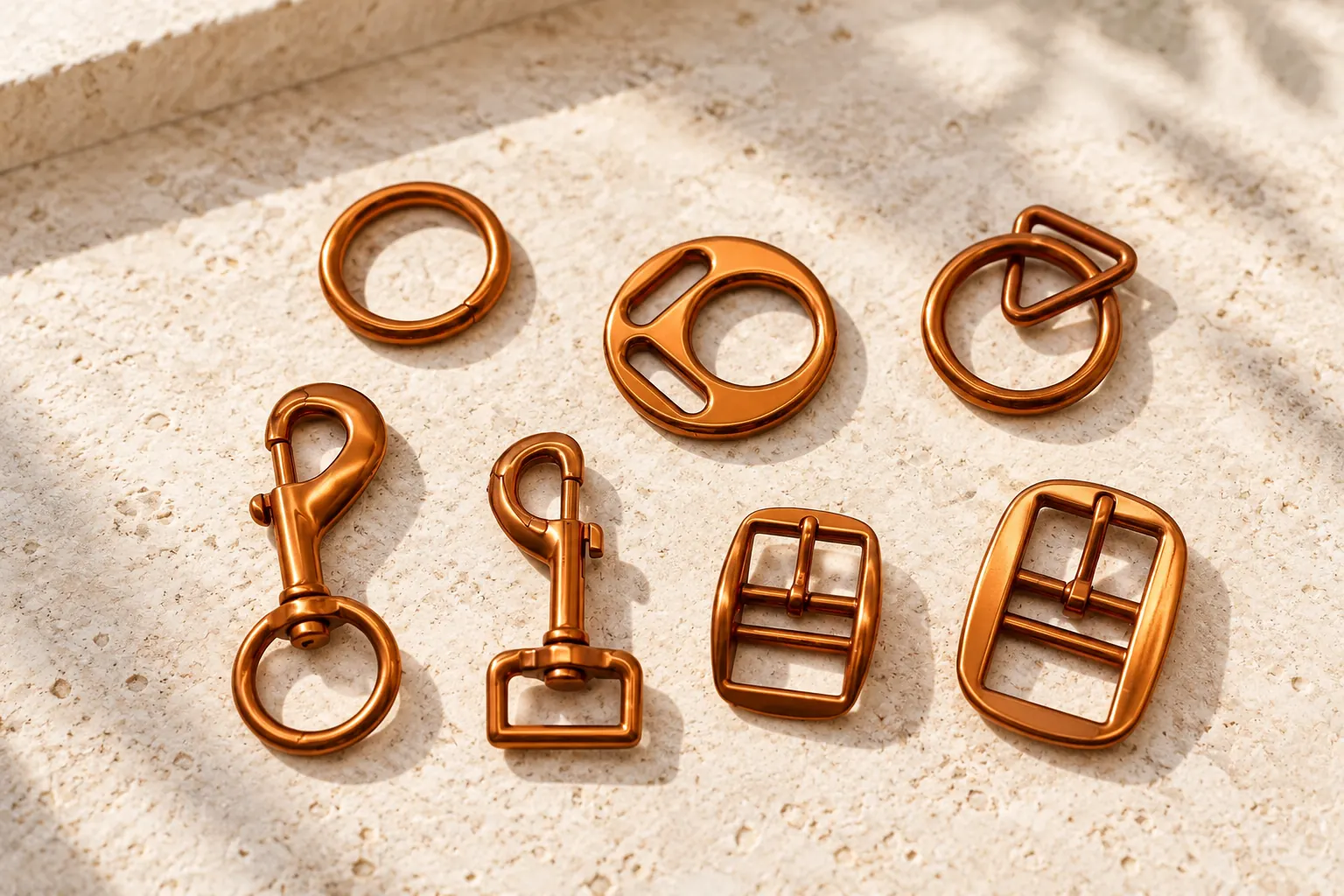
- Choose the routeA new range and an old part need different inputs.
- Show the productUse a model, sample or mating-assembly reference.
- Define the next choiceFocus the discussion on one useful decision.
Choose for your application
Match the Sourcing Route to the Buying Task
Relia's own production covers horse bits, spurs and stirrups, including customer drawings and logos, with material, dimensional, appearance and assembly checks. For a wider-range product, start with the selected item and its fit or contents. The route below helps you bring the right starting information into that conversation.
Match the Sourcing Route to the Buying Task
- New rangeProduct-family shortlist
- Existing approved partSecond-source comparison
- Old sampleReplacement assessment
- Repair channelSeparate spare-parts lines
Read the design and specification notes
Relia offers actual product range starting points for each of these tasks, from a brass halter fitting to a grooming kit. For a range launch, product selection comes before decoration; for a second source, the accepted part is the baseline; for replacement work, the remaining assembly explains the fit. Choosing the route early keeps a discussion about one changed component from turning into an unfocused tour of the product range.
| Your starting point | Useful route |
|---|---|
| New range | Product-family shortlist |
| Existing approved part | Second-source comparison |
| Old sample | Replacement assessment |
| Repair channel | Separate spare-parts lines |
A closer product look
Make a Mixed Range Tangible
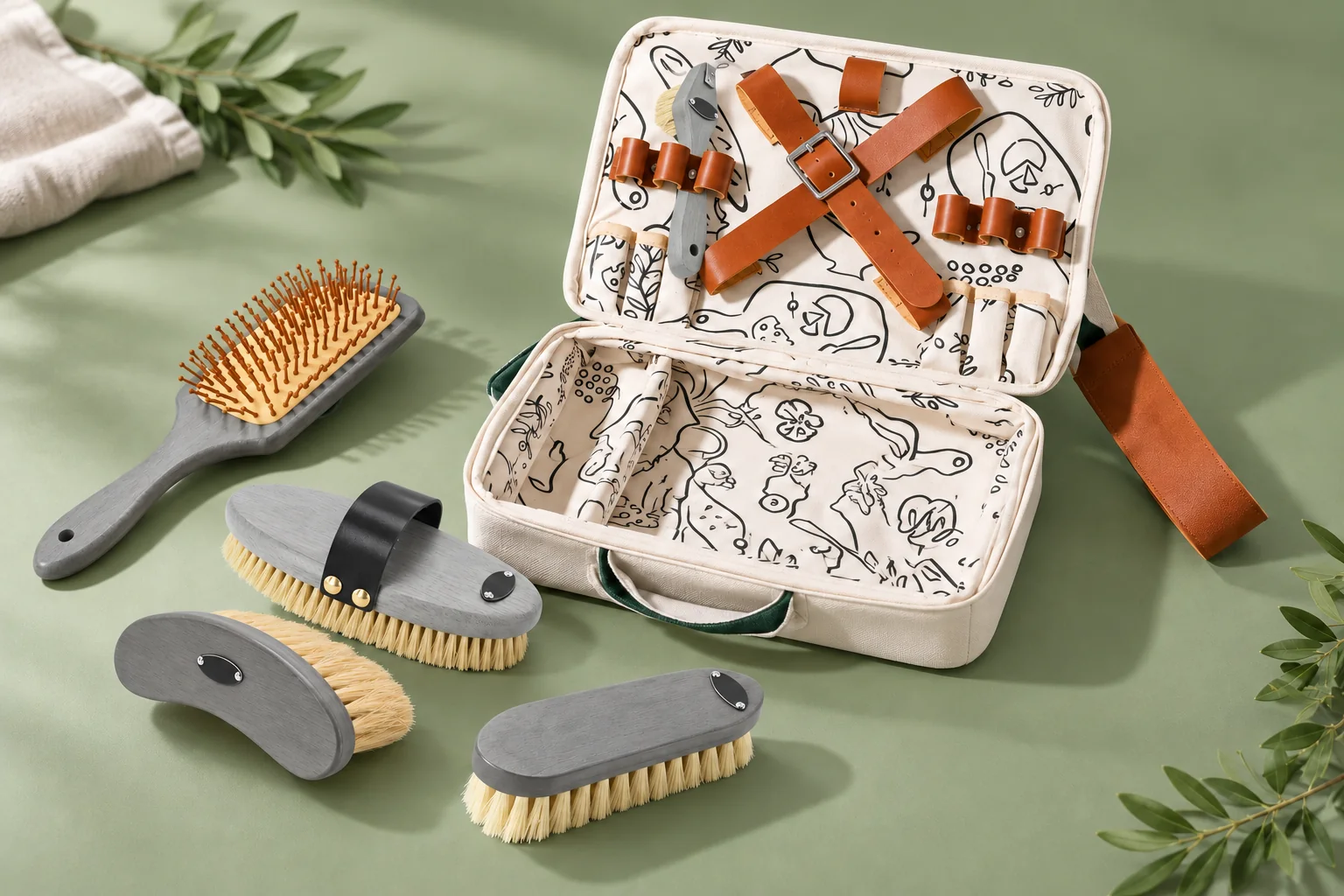
Make a mixed range tangible with separate product lines. A brass halter fitting and a grooming kit can share an enquiry while retaining their own size references, components and purchase units.
Keep mixed products comparable
- Halter fitting
- Use its model and nominal size as a starting point.
- Grooming kit
- Specify the tools and case expected together.
- Mixed shortlist
- Give each product its own quantity and unit.
Read the design and specification notes
YF10118B provides a brass halter-buckle starting point at a 3/4-inch option; the Beech Wood grooming kit is a case-and-tool purchase with a five-piece reference. They belong on different lines even in one enquiry. The China Factory Sourcing guide explains how to build that first cross-category shortlist.
Construction and making
Separate a Shape Change from a Finish Change
For bits, spurs and stirrups, the model guides the forming, machining, joining, finishing and assembly route. A moved opening affects geometry; a changed logo or appearance concerns a selected surface. Keep the retained feature and proposed difference together. Other products need their own route and component discussion rather than inherit the core families’ production scope. See the forming work behind our horse-bit range.
Match the Route with the Next Output
- New rangeSelected product lines and clear purchase units.
- Second source or repairAccepted reference and the interfaces that must remain.
- Custom core productDrawing revision, proposed change and customer-logo area.
Read the design and specification notes
A logo or colour change is a different manufacturing request from a new opening or relocated crossbar. In a casting route, the tool establishes the main geometry; trimming and finishing follow. In a cut-and-formed route, edge preparation and final formed shape become important. Send Relia the feature you want to keep and the feature you want to change. The selected material and production route then belong to that exact product brief, not to a general promise about every item.
Share the product link and your intended use, with these details:
- Sourcing task
- Base product or sample
- Features to retain or change
Choose for your application
Use an Accepted Baseline for a Second Source
A second-source comparison works best around an accepted assembly. Keep the strap path and supplied components consistent so you can see whether a candidate preserves the required interfaces.
Use an Accepted Baseline for a Second Source
- Accepted baseline
- Known interfaces and supplied unit
- Candidate
- Same measurement points and conditions
- Difference
- A proposed difference to compare
Read the design and specification notes
If YF103022SS is your chosen 1-inch roller-buckle reference, compare a proposed alternative against the same strap path, roller arrangement and supplied pieces. An attractive finish cannot replace those interfaces. The second-source route is for a defined product baseline, not simply another supplier using a similar name.
A closer product look
Keep a Tool Comparison Separate from a Kit Comparison
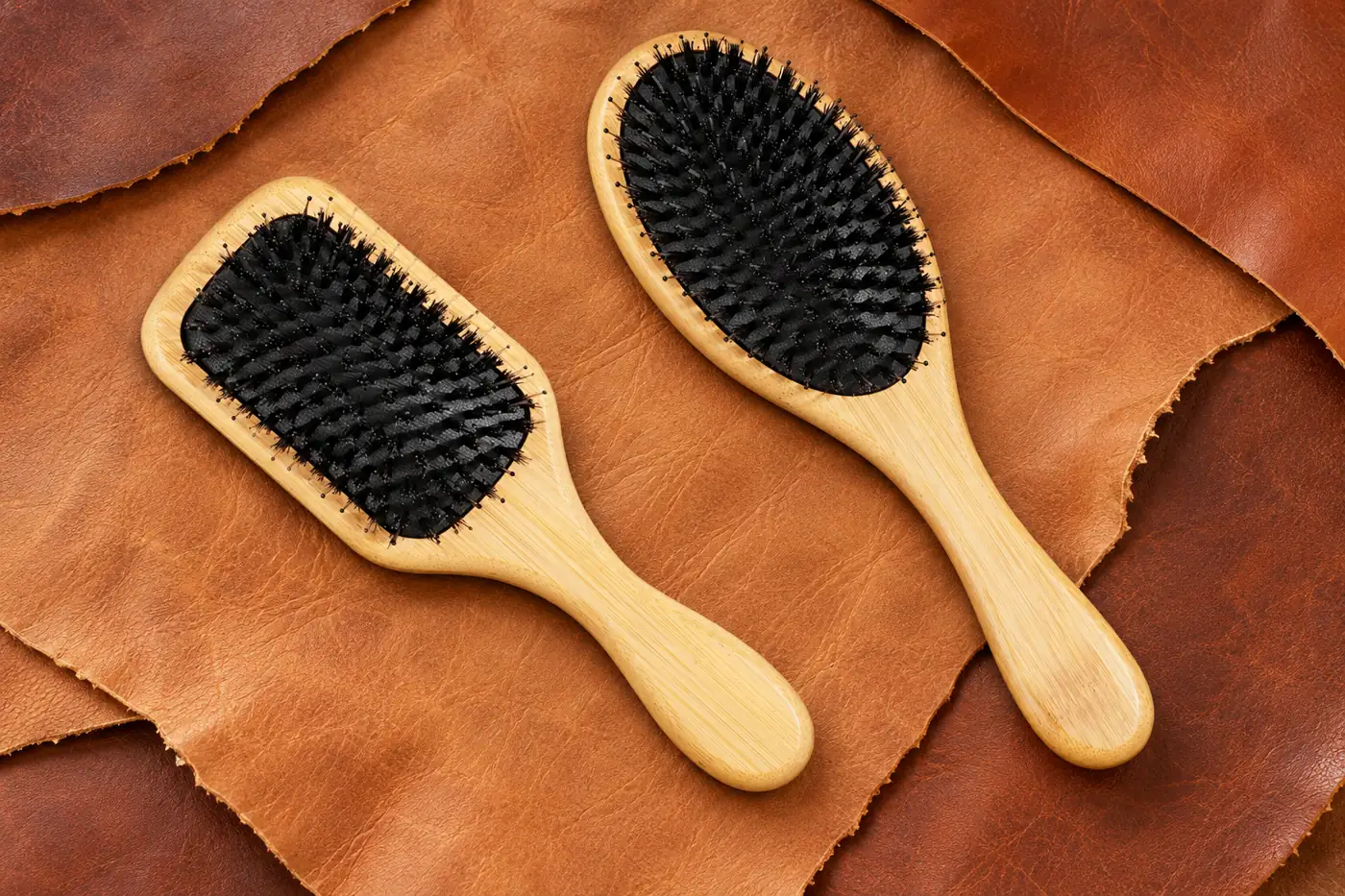
Choose a loose brush when you need one working tool; choose a kit when the contents and carrier create the offer. That distinction makes both initial assortment and later replenishment easier to discuss.
Choose the selling unit
- Individual toolCompare backing, working face and grip.
- Retail kitAdd the itemized tools and carrying case.
- ReplenishmentName the exact tool that needs replacing.
Read the design and specification notes
A beech-wood brush reference and a complete Beech Wood kit answer different assortment needs. For a loose tool, focus on the working face, handle and selected construction. For the kit, add its case and itemized contents. This keeps the shortlist tied to what your customer will actually receive.
Choose for your application
Use the Remaining Assembly to Identify an Old Part
Use the part around the old fitting as part of the reference. Views of the retained strap or mounting area explain more about the required connection than a similar-looking silhouette alone.
Include the retained strap, mounting or mating component when comparing a replacement.
Use the Remaining Assembly to Identify an Old Part
- Existing partComplete views and damage location
- Mating assemblyStrap, fixing or retained component
- Replacement routeCandidate comparison or defined change
Read the design and specification notes
A worn buckle or mounting fitting may have no reliable model identity. Photograph the complete part and show the strap, fixing or mating component that remains in use. The replacement route uses those constraints to compare product range candidates or discuss a change; it does not promise that a lookalike is interchangeable.
Choose for your application
Build Repair Stock by the Jobs It Covers
Build repair stock around recognizable jobs and purchase units. Closures, swivelling connections and attachment rings can complement one assortment while remaining separate parts with different interfaces.
Build Repair Stock by the Jobs It Covers
- JobClosure, connection or replacement
- PartNamed model and required interface
- Stock unitPieces or an explicit set
Read the design and specification notes
A repair assortment can combine roller buckles, swivel snaps and D-rings, but the useful stock list is the job, model and supplied unit. Keep a snap size separate from a buckle size and count rings separately from complete sets. The repair-range guide turns that distinction into a practical replenishment plan.
A closer product look
Define What the Sample Should Resolve
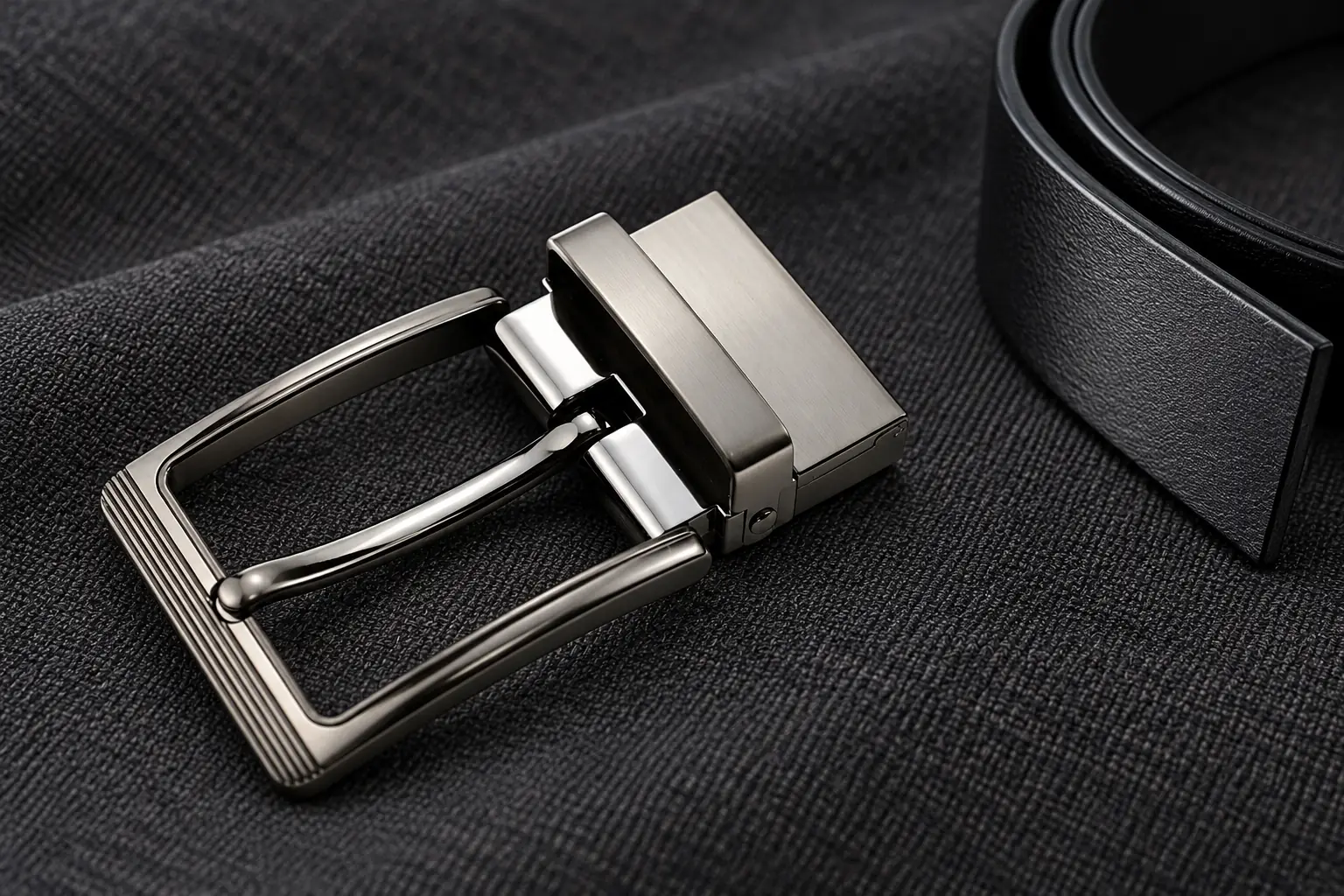
Give a sample one purpose, such as examining belt attachment or the reversal arrangement. A specific decision makes the selected reversible-buckle reference more useful than a box of vaguely similar parts.
Give the sample a clear job
- Base versionUse the identified reversible-buckle reference.
- Belt endShow the construction it must attach to.
- Change to reviewPoint to the feature the sample should resolve.
Read the design and specification notes
For YF00316DC, the 35mm Light Grey reversible-buckle reference is a starting point for comparing the intended belt assembly. The sample purpose might concern end preparation or the reversal arrangement. A specific decision produces a more useful request than asking for a general box of similar-looking buckles.
Products behind these choices
3/4 Inch Brass Horse Halter Buckle - Antique Brass Finish
Use the 3/4-inch brass halter buckle as a distinct closure reference.
View this product →Beech Wood Horse Grooming Kit | 5-Piece Reference and Case
Compare the named kit, its tools and carrying case as one retail assortment.
View this product →Stainless Steel Roller Buckle, Bright Nickel, Nominal 1 Inch
Use the nominal 1-inch roller buckle to compare strap passage, folded leather and pin movement.
View this product →Beech Wood Horse Brush with Dark Inset and Tufted Face
Use the individual wooden brush to compare its backing and tufted working face.
View this product →YF102312DC Zinc Alloy Swivel Snap Hook 16 20 25mm for Dog Leash Keychains
Compare the swivel hook and selected attachment size with the intended leash end.
View this product →YF11404ST Metal D Rings for Dog Leash and Equestrian Tack with Full mm/inch Size Labels
Compare the complete D-ring size string and section with the mating connection.
View this product →YF00316DC Zinc Reversible Clip Belt Buckle, Light Grey 35mm Reference
Review this reversible buckle around the belt end and reversal arrangement.
View this product →Choose your next product decision
Move from a Buying Route to a Product Brief
A wholesale shortlist, an authorized second source and a drawing-based branded product call for different starting information. Choose the route that matches the decision your team is making.
Start a product discussion
Set a Baseline Both Teams Can Recognize
Tell us which task you are working on and send the selected product, existing sample or drawing. Show what must stay the same and the feature you want to change, then add quantities and destination. We can discuss the relevant product comparison and next step.
Qingdao Relia Saddlery Co., Ltd.Changjiang Road, Qingdao, Shandong, ChinaProduct discussion details
Three details for a useful enquiry
- Sourcing taskState whether this is a launch, replacement or second source.
- Base product or sampleShow the reference the discussion should start from.
- Features to retain or changeSeparate fixed interfaces from the proposed difference.