
Explore the buying guides
Horsewear by Layer, Fit and Supplied Set
Build a coordinated horsewear range while keeping every item's fit clear. Choose the product role first: rug, saddle cloth, supplementary pad or boot. Compare its layers, closures and supplied pieces in the dedicated guide, then select sizes and colours within that construction.
- Choose the product roleRugs, pads and boots solve different tasks.
- Read the constructionCompare layers, seams and closures together.
- Define the supplied piecesKeep fore/hind and set contents explicit.
Choose for your application
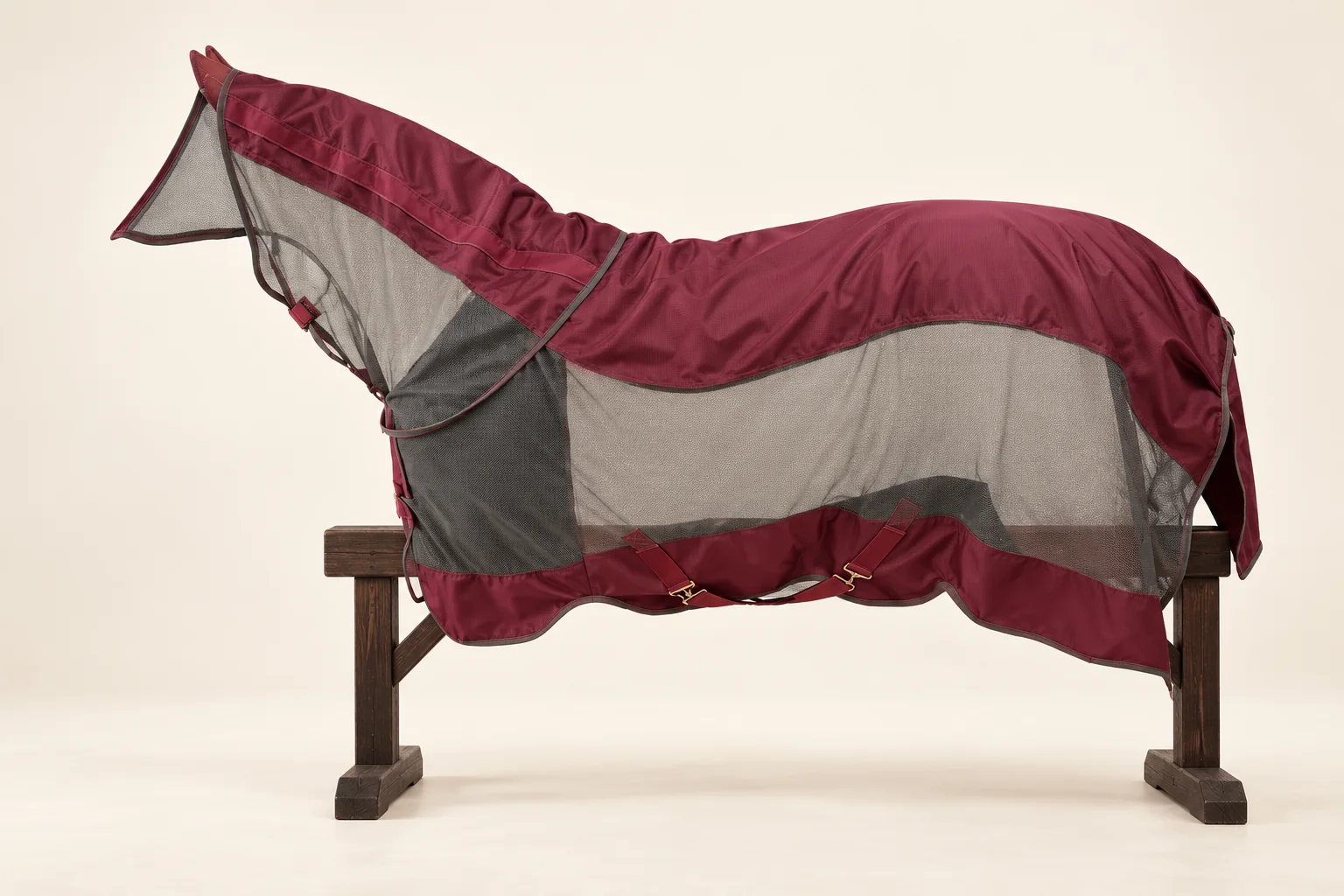
Match the Rug Construction to the Purchase Brief
Relia’s rug references give you a starting product rather than a complete fitting specification. Compare the intended use, garment construction and closures together before deciding the version to discuss.
Request the measured size chart for the selected Blue/95 rug option.
Match the Rug Construction to the Purchase Brief
- Use contextCoat, shelter, clipping and activity
- FitMarked measurement points
- ConstructionSelected shell, lining and fill
Read the design and specification notes
Relia’s rug range gives buyers actual product and option starting points, including the linked Blue and 95 selections. The outer layer, fill, lining and closures need to be considered together for the chosen product. A colour selection does not establish the complete size or layer specification. Use the rug guide to prepare that brief, then keep saddle pads and protective boots on their own construction routes.
A closer product look
Saddle Cloths and Added Pads Need Separate Shortlists
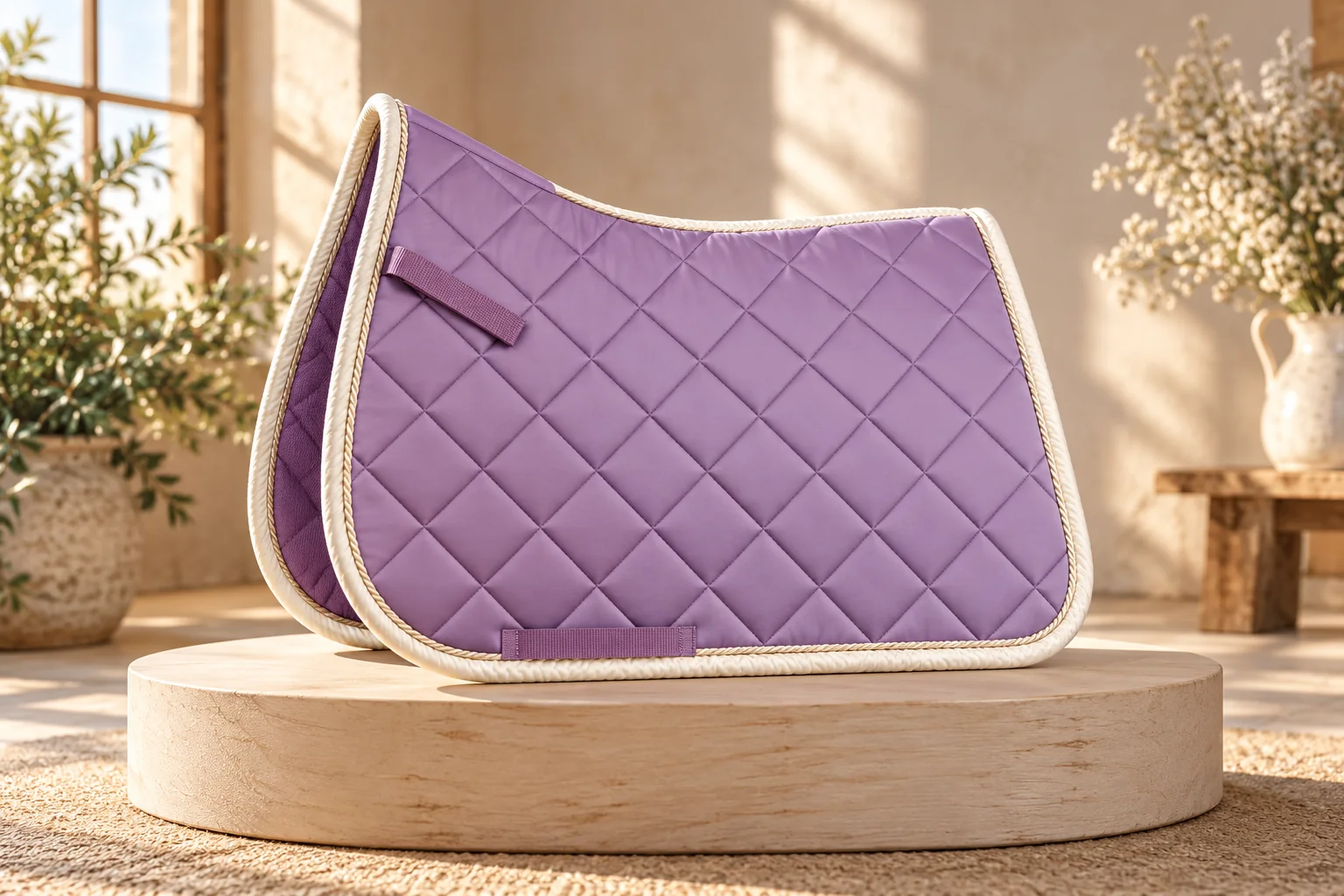
Choose a saddle cloth and an added pad as separate products. Comparing where each layer sits helps keep the model’s declared construction tied to the saddle setup it will be used with.
Choose the supplementary pad with the intended saddle setup and appropriate fitting advice.
Read the selected pad layers
- OuterMAD-0104 lists satin fabric as the outer shell.
- InsideThe same model lists cotton filling and wool lining.
- Saddle setupCompare that construction separately from an added pad.
Read the design and specification notes
MAD-0104 lists a wool lining, satin-fabric outshell and cotton filling, with Purple, Grey and Green options. Keep those declared layers tied to that model. An added half pad or gel pad is another product decision; it should not be presented as a way to correct an unsuitable saddle fit.
Choose for your application
Organize the Range by the Part Being Compared
Separate material composition, filling and finished measurements when comparing horsewear. The right detailed guide helps you focus on the feature that controls this particular product choice.
Organize the Range by the Part Being Compared
- Rugs and blanketsMeasured fit, closure and selected layers
- Saddle cloths and added padsProfile, layer placement and saddle setup
- Tendon and fetlock bootsFore/hind position, size and set contents
- Bell boots and hoof coversOpening, closure and selected shape
Read the design and specification notes
The four detailed routes divide the range into practical buying tasks. Keep fabric composition, filling amount and finished dimensions in separate parts of the brief so a material name does not stand in for the whole product.
| Product route | Useful comparison |
|---|---|
| Rugs and blankets | Measured fit, closure and selected layers |
| Saddle cloths and added pads | Profile, layer placement and saddle setup |
| Tendon and fetlock boots | Fore/hind position, size and set contents |
| Bell boots and hoof covers | Opening, closure and selected shape |
A closer product look
Boot Options Include Position as Well as Colour
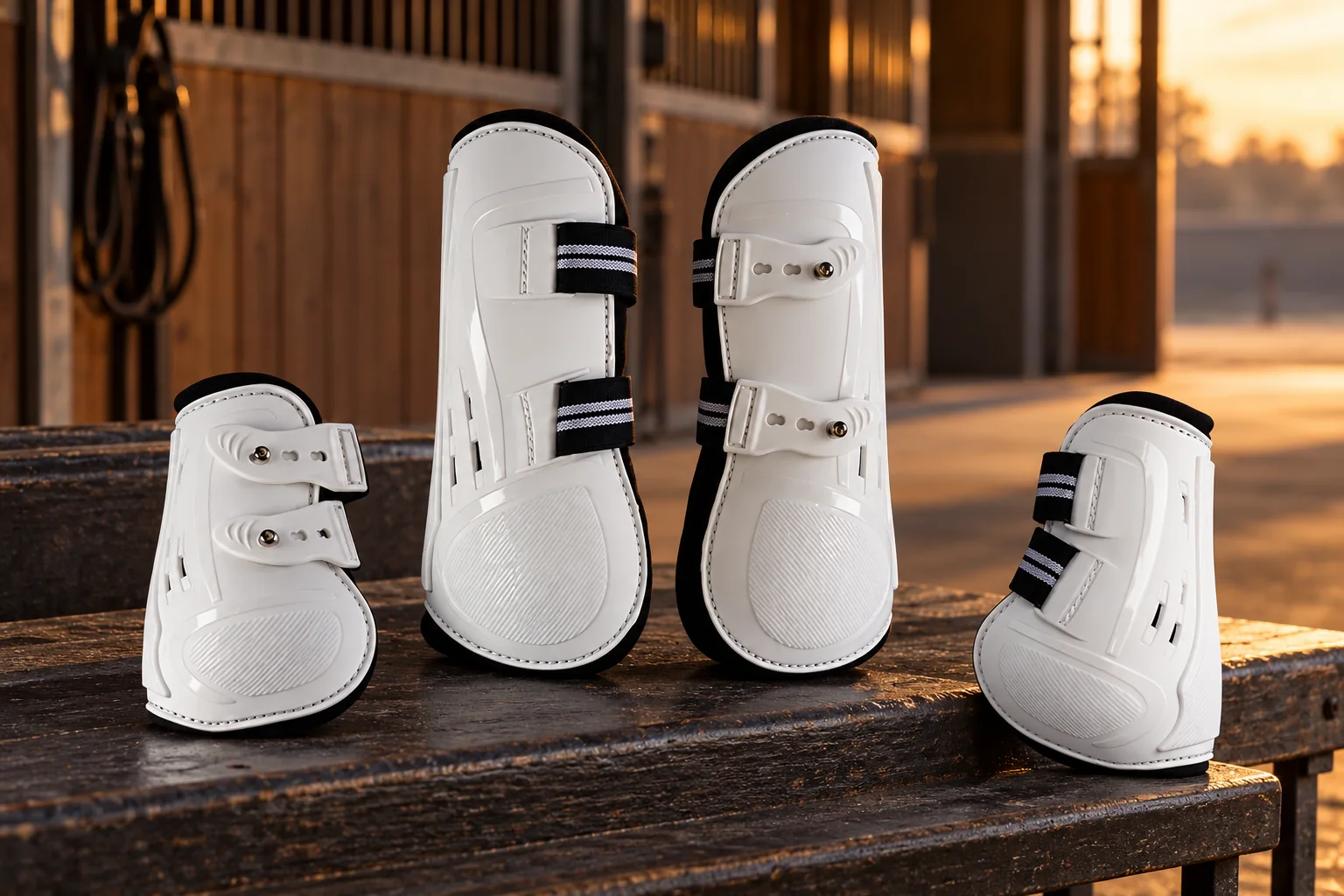
Keep boot position with its model and size. Fore, Hind and Set options answer different purchase questions, so a coordinated colour alone does not define the supplied pieces.
Agree the actual piece count and size allocation for the selected boot set.
Read a boot option completely
- Model
- Keep SD7048 or SD7034 with its own product specification.
- Position
- Separate the selected fore and hind arrangement.
- Supplied unit
- State the exact pieces intended in the set.
Read the design and specification notes
SD7048 lists PU/neoprene and an M/L/XL size reference. Its options distinguish Fore, Hind and Set within several colours. SD7034 is a separate PU/neoprene model with its own options. Preserve the model and position together; the word Set alone does not specify the count or size allocation of the delivered pieces.
Construction and making
Layering and Edge Sewing Create Different Choices
Cutting creates panel shape; joining secures the selected layers; binding finishes an edge. Understanding those different jobs helps you compare a garment’s seams and closures without treating appearance as a full material specification.
Confirm the selected model's layer allocation and production route in its sample discussion.
Layering and Edge Sewing Create Different Choices
- Cut and arrangeDefine the panel outline and actual layers
- Join the constructionIdentify quilting and attachment seams
- Finish the edgeCompare binding, closure and finished outline
Read the design and specification notes
Cutting defines a textile panel; layering places the components together; quilting or joining seams secure the selected construction; binding finishes an edge. These steps do different jobs. A neat outer edge does not tell you the material or thickness inside, and seam flatness depends partly on how the layers feed and behave together. For a Relia enquiry, identify the selected layers, panel shape and visible seam or edge finish you want compared, without treating the illustration as a complete material specification.
Share the product link and your intended use, with these details:
- Horsewear product and use
- Model layers and fit
- Position and supplied pieces
A closer product look
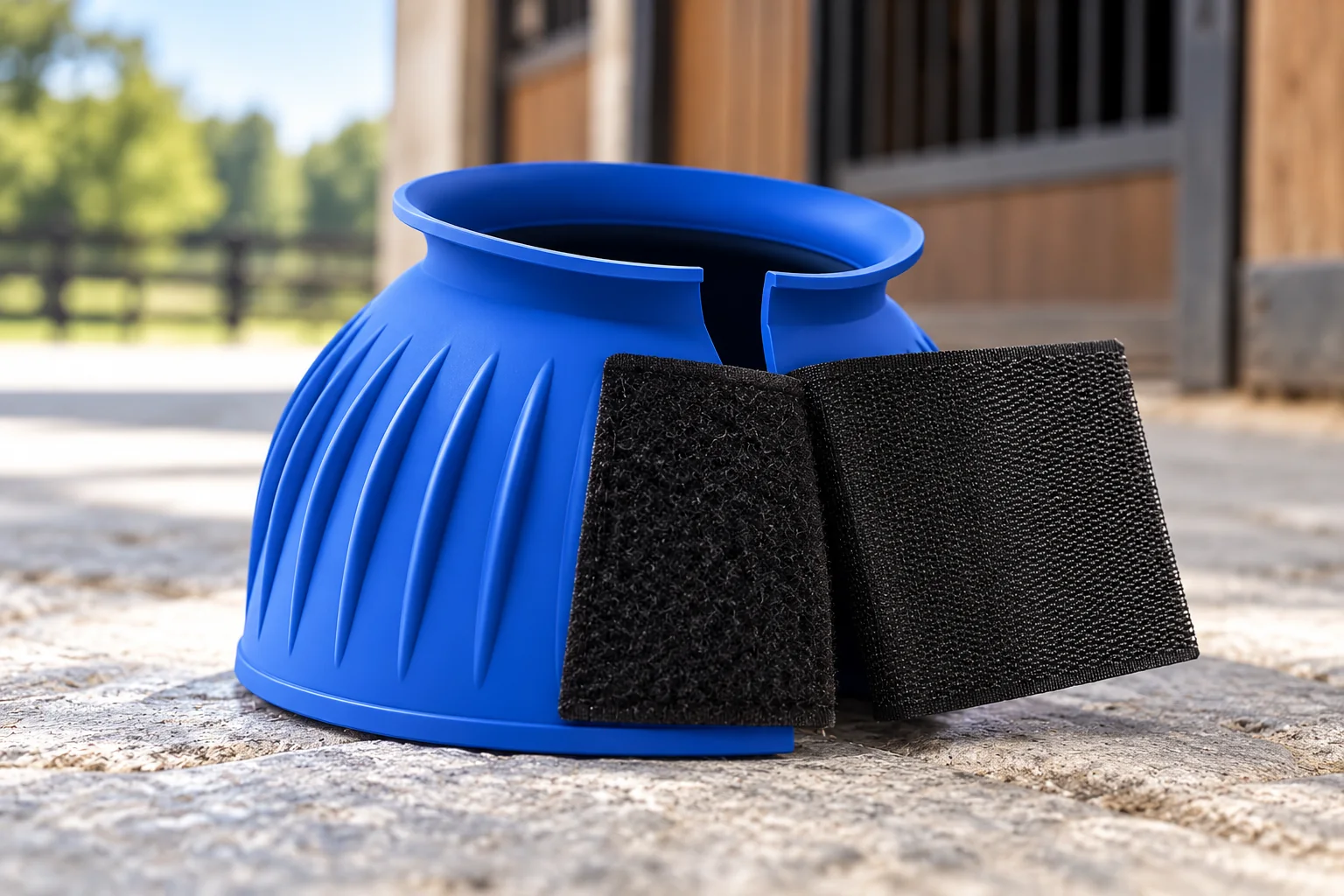
Bell Boots Need the Actual Closure and Opening
Compare bell boots around the actual opening and fastening form. An open skirt and an enclosed hoof-cover construction are different choices even when their colours look similar.
Compare the opening form
- Wrap fastening
- Review the selected hook-and-loop arrangement.
- Pull-on or other form
- Use its actual opening and material reference.
- Intended fit
- Compare the selected shape around the relevant hoof area.
Read the design and specification notes
AC7045 is a rubber bell-boot reference with a wrap hook-and-loop description. AC7050 lists rubber and S/M/L/XL size references on another product. Compare the actual opening and closure around the intended fit. An open bell skirt and an enclosed hoof shoe are different forms even when the colour is similar.
Choose for your application
Keep Colour Coordination Separate from Fit Approval
Use colour to coordinate the range after fit and construction are clear. A recognizable reorder still needs each model’s own layers, fastening and supplied-unit information.
Keep Colour Coordination Separate from Fit Approval
- AppearanceSelected colour and trim
- ConstructionLayers, shape and fastening
- Order identityModel, size and contents
Read the design and specification notes
A coordinated range can use a shared colour across pads, boots and rugs. Fit approval still belongs to each product and its own dimensions. Keep a sample photo, selected layer description, closure details and the supplied unit with the model so the range remains recognizable when you reorder.
Products behind these choices
Blue 95 Custom Winter Horse Rug Panel Fit and Waterproof Enquiry
Use the Blue/95 selections as identifiers while defining the actual rug fit and layers.
View this product →MAD-0104 Ruffle Equestrian Jump Dressage Saddle Pad Trim Fit Enquiry
Compare the declared lining, outer fabric and filling for this saddle-pad model.
View this product →SD7048 PU Neoprene Horse Tendon Boot Tab Adjustment Fit Enquiry
Keep this model’s position, size and selected Fore/Hind/Set option together.
View this product →SD7034 PU Neoprene Horse Tendon Fetlock Boot Open Front Hind Fit Enquiry
Compare this separate boot model with its own position and supplied pieces.
View this product →Horse Bell Boot AC7045 | Rubber and Wrap Hook and Loop References
Compare the wrap hook-and-loop opening with the intended bell-boot fit.
View this product →Nature Rubber Reference Horse Hoof Shoe Bell Boot AC7050 | S M L XL Labels
Review the rubber reference, opening and own size labels for the selected product.
View this product →Start a product discussion
Keep Size and Set Contents with the Model
Send each selected rug, cloth, pad or boot with its own fit requirements and supplied-piece count. Add the layer, closure or position choice you want to compare and quantities by version. We can discuss a coordinated range without merging different products' size systems.
Qingdao Relia Saddlery Co., Ltd.Changjiang Road, Qingdao, Shandong, ChinaProduct discussion details
| Buying line | Include with the enquiry |
|---|---|
| Rug | Use conditions and measured fit reference |
| Saddle pad | Saddle setup, profile and layers |
| Leg boot | Fore/hind position and piece count |
| Bell boot | Opening, closure and size reference |
Three details for a useful enquiry
- Horsewear product and useIdentify rug, saddle cloth, added pad or boot.
- Model layers and fitShow the selected construction and its own measurements.
- Position and supplied piecesDefine fore/hind, size allocation and required piece count.