
For brands and product-development teams
Custom Bits, Spurs and Stirrups with Your Logo
Bring your own bit, spur or stirrup design to a factory that manufactures all three categories. We support customer drawings and your logo, with dimensions, component materials and sample needs reviewed together. Choose the product route below or show us the construction you want to develop. Your team can move toward a defined sample without starting from a generic category request.
Choose the Development Route First
Choose the development route that matches the product you need. Relia manufactures its own bits, spurs and stirrups and accepts your drawings and logo. We review each category's critical interfaces with material, dimensional, appearance and assembly checks, keeping the functional design and branding together on the selected version.
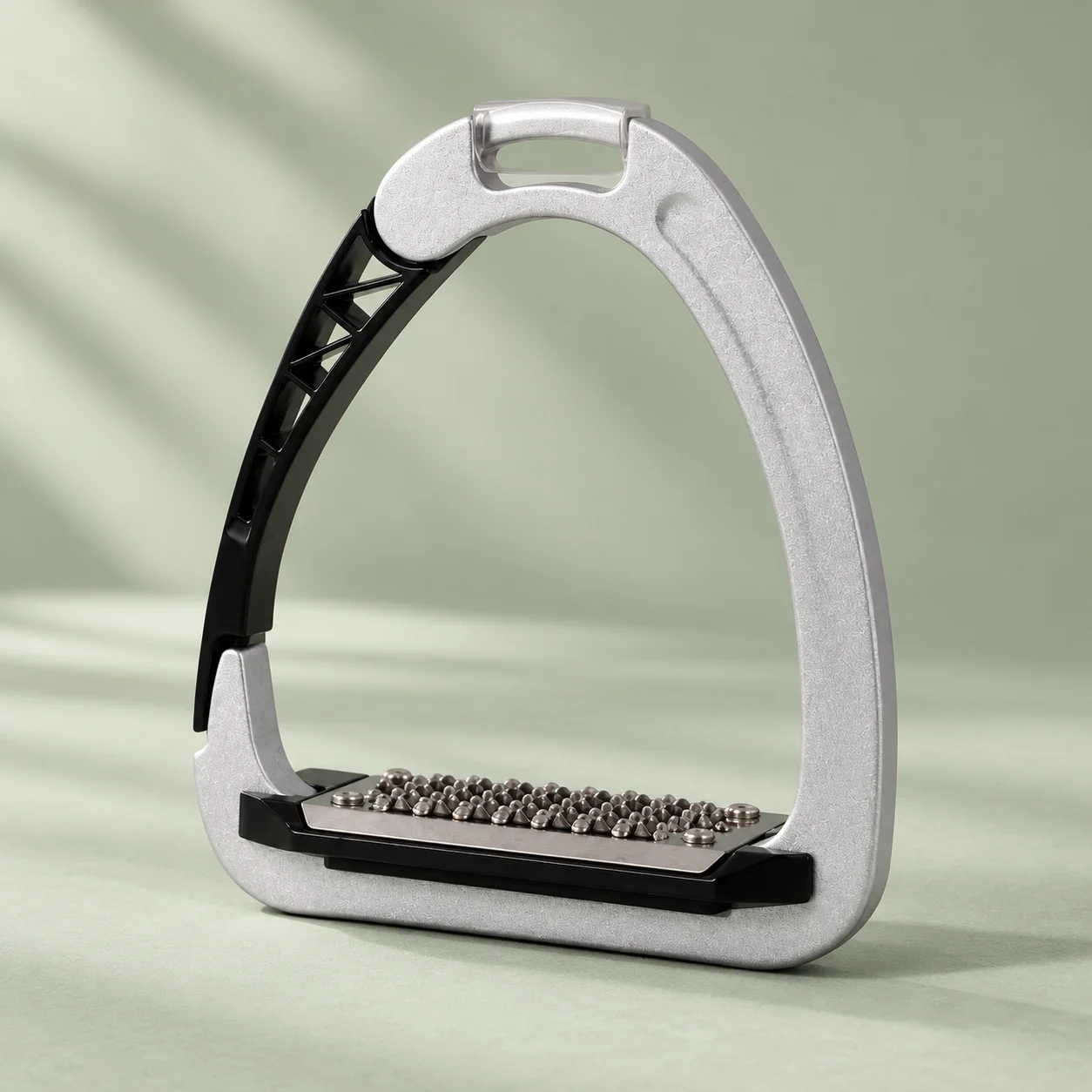
Choose the starting construction that explains your brief: a 25544-125 D-ring bit, 81411LB-CF-E3/M decorated Western spur, or 22173ALE and 9601-1/SS stirrup assemblies. Keep each model with its own features. Your drawing and accepted sample define the custom geometry, materials and branding.
For a spur project, review how the band, shank and terminal work together. For a stirrup project, compare the frame, tread and upper connection. These product views help you keep the functional layout clear before choosing your finish and logo position.
Browse horse-bit references · Spur references · Stirrup references
Send a Revision That Both Teams Can Read
Send a dimensioned drawing with its revision, component list and the interfaces that need to match your equipment. Mark critical dimensions and any areas still open for discussion. Add your logo artwork, intended position, size and orientation on a separate view so the product geometry and brand placement can be reviewed together.
Reference photographs or a prototype help explain appearance and assembly details. For an existing approved design moving to another production source, follow the second-source sample route.
Revision, dimensions, interfaces and component materials.
Logo file, location, size, orientation and finish reference.
Sample scope, quantity, purchasing unit and destination.
Define the Bit at Component Level
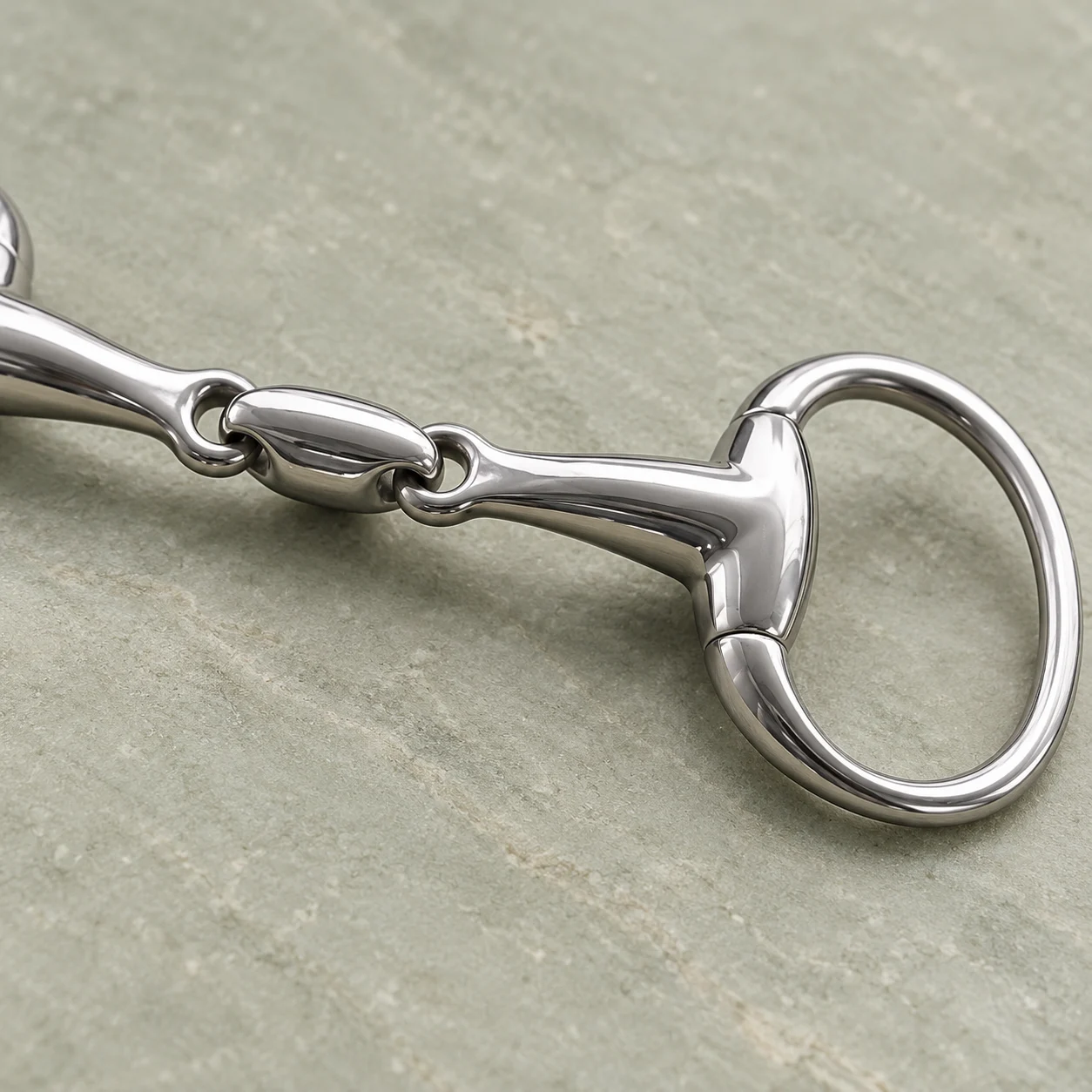
For a new bit project, the mouthpiece, cheeks, joints and attachments need their own geometry and component descriptions. An existing reference such as BT0319 gives the discussion a concrete base, but any change to its centre, ring junction or material belongs in the revised specification. Keep operating and fitting requirements specific to the intended configuration.
Use a Different Critical-Feature Map for Each Category
A single generic size table cannot describe all three products. The spur needs a boot-band and rowel assembly record; the stirrup needs an upper-interface and tread record. Keep material allocation and included components attached to those features rather than describing every metal product as the same manufacturing task.
| Category | Critical input groups |
|---|---|
| Bit | Mouthpiece profile, joints, cheek connections and attachments |
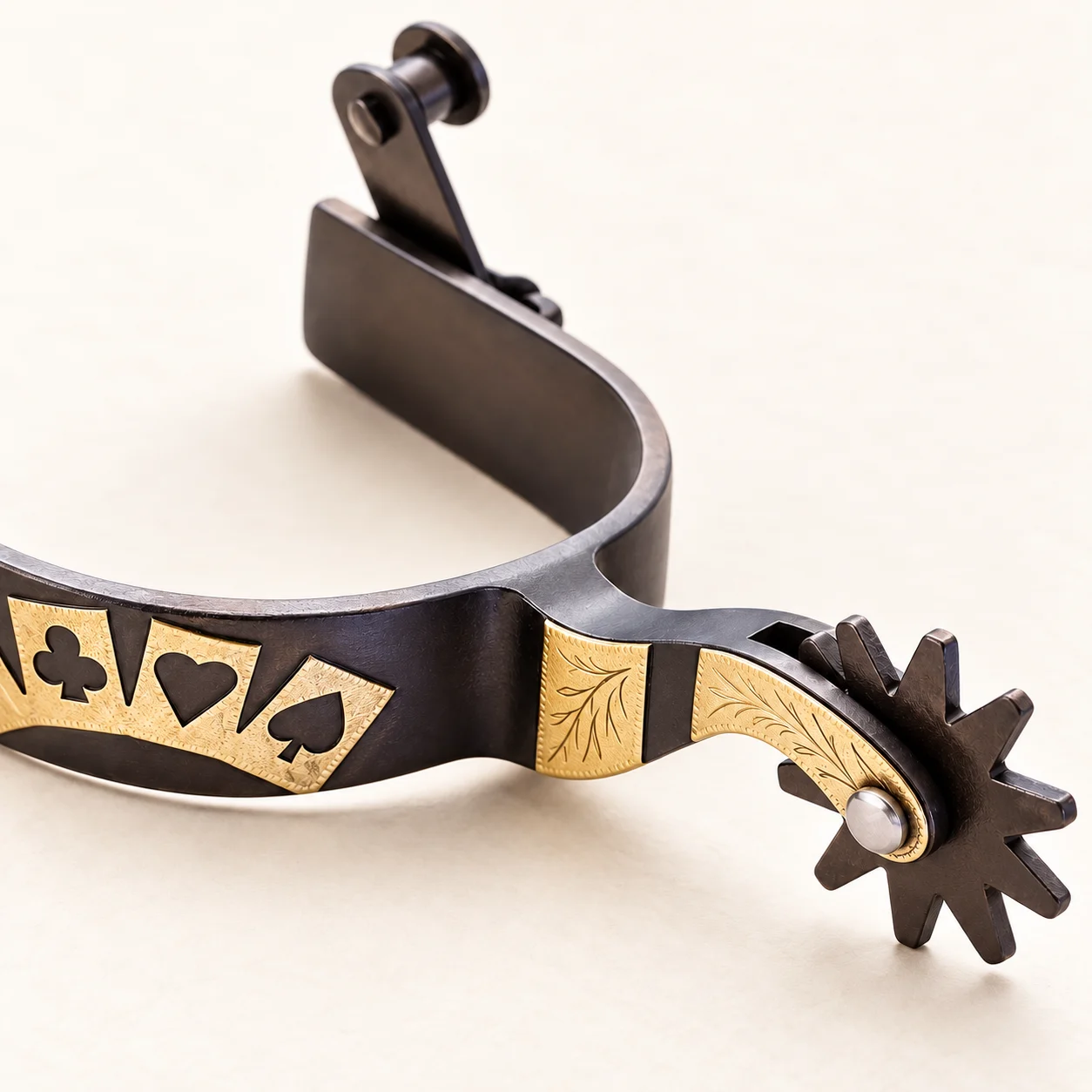
| Spur | Band opening, shank, rowel/pin and strap connections |
| Stirrup | Frame, upper slot or neck, usable tread, pad and moving components |
Review Tooling and Manufacturing by the Actual Design
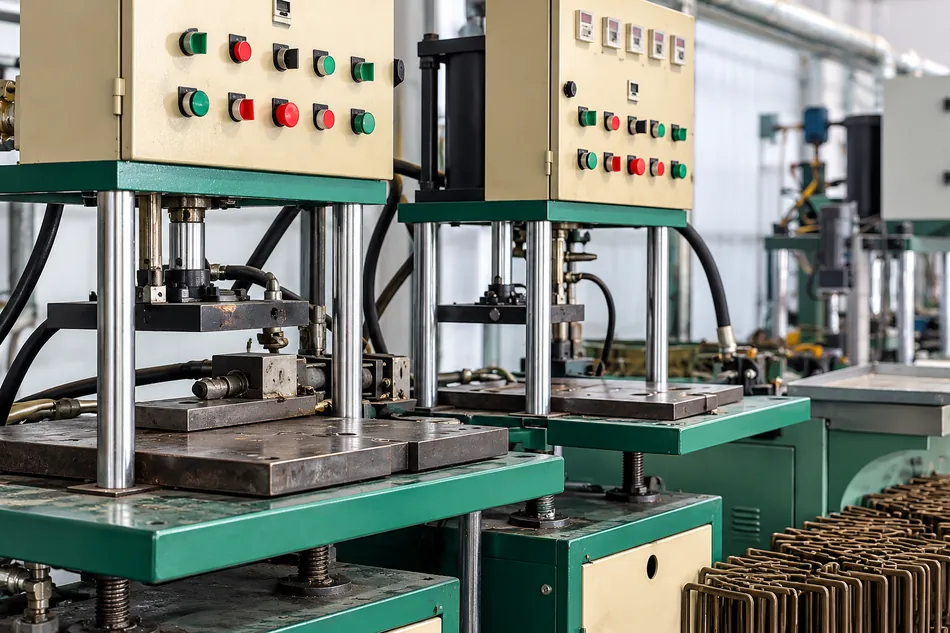
The drawing determines the making plan. Our capabilities include casting, forging or stamping as appropriate to the model, machining, welding, polishing, surface treatment and assembly. We select the operations required by the actual components rather than apply every process to every product. Any tooling and branding work stays within the agreed project scope. View a horse-bit casting stage at our factory.
We check materials, dimensions, appearance and moving parts or assembly fit. Connect those checks to the relevant product features: bit joints and attachments, spur band and terminal assemblies, or stirrup frame and tread interfaces. Keep the resulting sample decision with the accepted drawing and artwork; exact grades, numerical limits and any additional testing remain project-specific requirements.
- Geometry reviewDefine the proposed shape and connections clearly.
- Route reviewActual fabrication, joining and surface-treatment steps.
- Tooling reviewExisting or new tooling scope, cost and responsibility.
- Sample planFinished product and the checks needed for acceptance.
Keep Decoration and Structural Changes Separate
The YF11023MI reference combines a rowel-spur base with a decorative appearance. A motif change should not silently alter band fit, shank geometry or rowel retention. Keep a separate drawing revision when a functional dimension changes, and connect it to the agreed physical sample.
Agree the Sample Checks Before Approval
Name the feature, method, conditions and accepted reference for each required check. Numerical limits and performance criteria should come from the approved project documents. For a moving or release-style stirrup, a photograph is not a release demonstration or test result. Keep the actual operation, intended-use restrictions and relevant evidence with the exact sample version. Use our material, dimensional and assembly checkpoints to frame that review.
Approve One Complete Baseline before Production
Bring the drawing, component list, artwork, finish reference and agreed verification results into one approval record. Confirm design-use permission, tooling ownership, change responsibility and commercial conditions in the project agreement. Then define the production quantity, packing and timing for that accepted version.
Use the wholesale supply-plan guide when the approved designs become a multi-product order.
| Record | Keeps the production decision clear |
|---|---|
| Technical baseline | Accepted drawing, components, materials and sample |
| Appearance baseline | Artwork revision and physical finish reference |
| Verification | Defined checks and applicable exact-version results |
| Project agreement | Tooling/design responsibilities and commercial terms |
| Production release | Quantity, packing, timing and change approval route |
Bring a Clear Sample Direction to the Discussion
Use a complete product to explain your starting direction. The 25544-125 D-ring bit, 81411LB-CF-E3/M decorated Western spur, and 22173ALE or 9601-1/SS stirrup assemblies offer distinct constructions to discuss. Your drawing and accepted sample define the actual geometry, materials and branding of the new product.
Three Products. Three Complete Specifications.
Define the mouthpiece, cheeks and connected assembly.
Keep the heel band, shank and rowel or terminal together.
Name the frame, tread, upper connection and supplied parts.
Start an OEM Development Sample Discussion
Send your current drawing revision and logo artwork, with the intended marking area, component materials and critical interfaces. Add the sample scope, quantities and destination so we can review a practical development and quotation plan with you.
We will review the model and configuration with you before a quotation is agreed. Include quantities and destination so sample, packing and delivery terms can be considered together.
Qingdao Relia Saddlery Co., Ltd.
info@reliasaddlery.com · +86 18561762631
Changjiang Road, Qingdao, Shandong, China
- Choose the productSend the model code, product link or your drawing.
- Describe your versionInclude the size, construction or appearance you need to discuss.
- Plan the next stepAdd quantity and destination, then agree the sample and quotation scope with us.