

For size-led retail buying
Horse Bit Size Assortments for Pony and Retail Ranges
Create a bit-size range that your store can explain and replenish consistently. We manufacture the selected constructions and can review the measured width, thickness and cheek dimensions with your team. Start with customer demand and the equipment already being fitted, then choose samples that fill real gaps. Each accepted size stays linked to its complete model rather than a pony or size label alone.
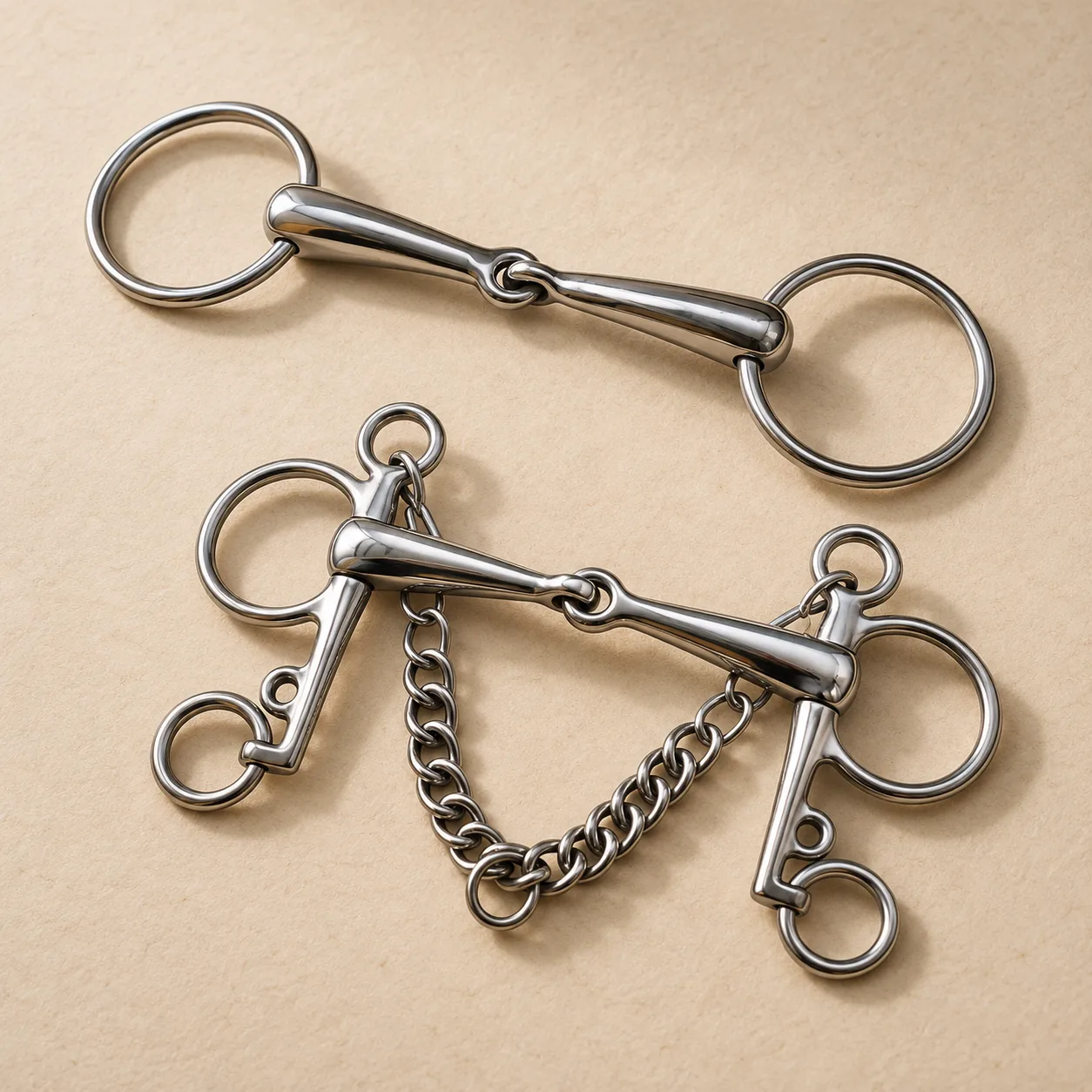
Keep Labels and Measurements in Separate Fields
Turn size labels into a chart your purchasing and retail teams can share. Relia produces its own horse bits and supports dimensioned customer designs. Our dimensional and assembly checks follow the selected construction, so mouthpiece width, thickness and cheek geometry remain separate and useful throughout the size ladder.
Relia’s current BT0519HO options are labelled 135MM, 127MM and 145MM; BT0712 carries 125mm, 145mm and 135mm in its complete labels. These are useful product identifiers. Before they become your retail width claims, the measured feature and endpoints need to be established for the selected sample.
Keep the original full option wording.
Name the dimension that the label describes.
Record the measured value and method with the sample.
Define Width Without Borrowing Ring Dimensions
A ring diameter and a mouthpiece span answer different questions. Mark the mouthpiece endpoints and measurement pose, then record thickness at a named location. Curved, jointed and linked mouthpieces also need a consistent pose so repeat measurements describe the same geometry.
Use a dimensioned sample specification for each model family rather than applying one generic measurement photograph across the range.
| Dimension | Keep explicit |
|---|---|
| Mouthpiece width | Endpoints, pose and unit |
| Arm thickness | Measurement position on the profile |
| Centre piece | Length, width and orientation where applicable |
| Cheek and ring | Overall outline, openings and attachment spaces |
Build Smaller Sizes as Complete Products
For a smaller-size or pony range, do not reduce the purchase decision to one width number. Keep mouthpiece thickness, centre geometry and cheek clearance in view as well. The product range lists several 115 mm references, but a smaller nominal width does not establish suitability for every pony or smaller horse. Qualified fitting remains specific to the actual equipment and animal.
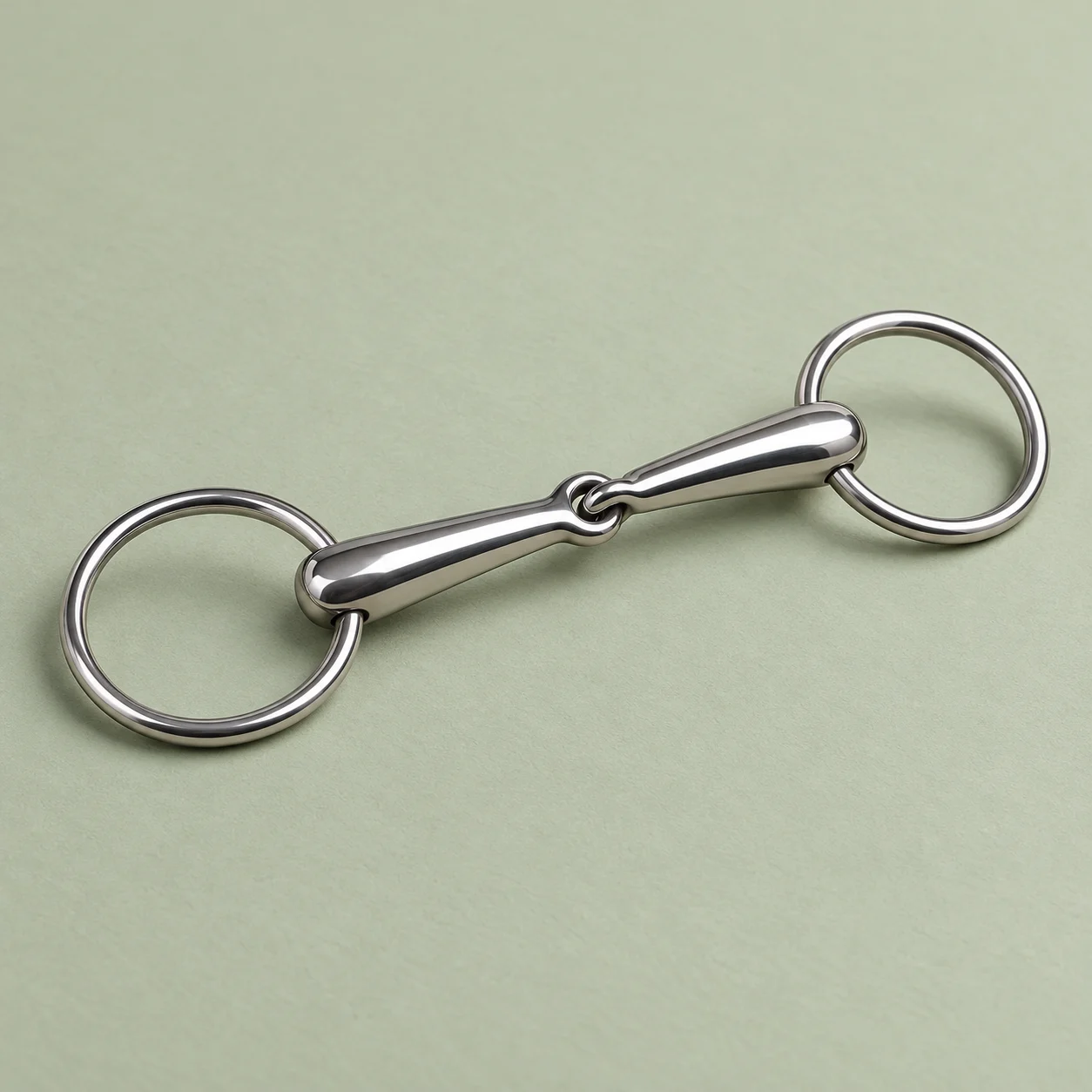
Keep Width, Thickness and Cheek Size Separate
The product range lists different width ranges for different mouthpiece constructions. The product range also uses both inch width descriptions and metric-looking model codes. Preserve the complete code, but agree the actual measurement on the sample before treating two nominal systems as exact equivalents.
| Model | Size and construction | Keep separate |
|---|---|---|
| 25559-16S/70 | 115, 125, 135 and 145 mm mouth references | 16 mm thickness and 70 mm ring |
| 60642/20/65-CDI/S | 115–150 mm listed mouth references | 20 mm hollow mouth and 65 mm rings |
| 25559-16S/60-135 | 5¼-inch width description | Code suffix and 60 mm ring / 16 mm thickness |
Check the Finished Geometry for Replenishment
The finished mouthpiece geometry is the useful size reference. We select the making and connection route for the model, then complete polishing, the specified surface treatment and assembly. The width pose, thickness location and cheek dimensions must still refer to that completed configuration.
We implement material, dimensional, appearance and moving-part or assembly-fit checks. For a size range, connect those checks to named measurement endpoints and the accepted sample for each version. Keep an agreed tolerance with its drawing rather than publishing a universal allowance, and distinguish an intentional new size from variation in a repeat order.
- DrawingDefined dimensions, endpoints and revision.
- Selected routeModel-specific forming, joining and finishing.
- Finished sampleMeasured assembly and appearance reference.
- Repeat orderSame code, nominal label and accepted size record.
Keep Different Cheek Families on Different Size Ladders
Keep each size useful across purchasing, labelling and replenishment. Different mouthpiece constructions can use different width ranges, and an inch description should be checked against the actual metric measurement. Keep the full model code, then agree the endpoints on the selected sample before treating two labels as equivalent.
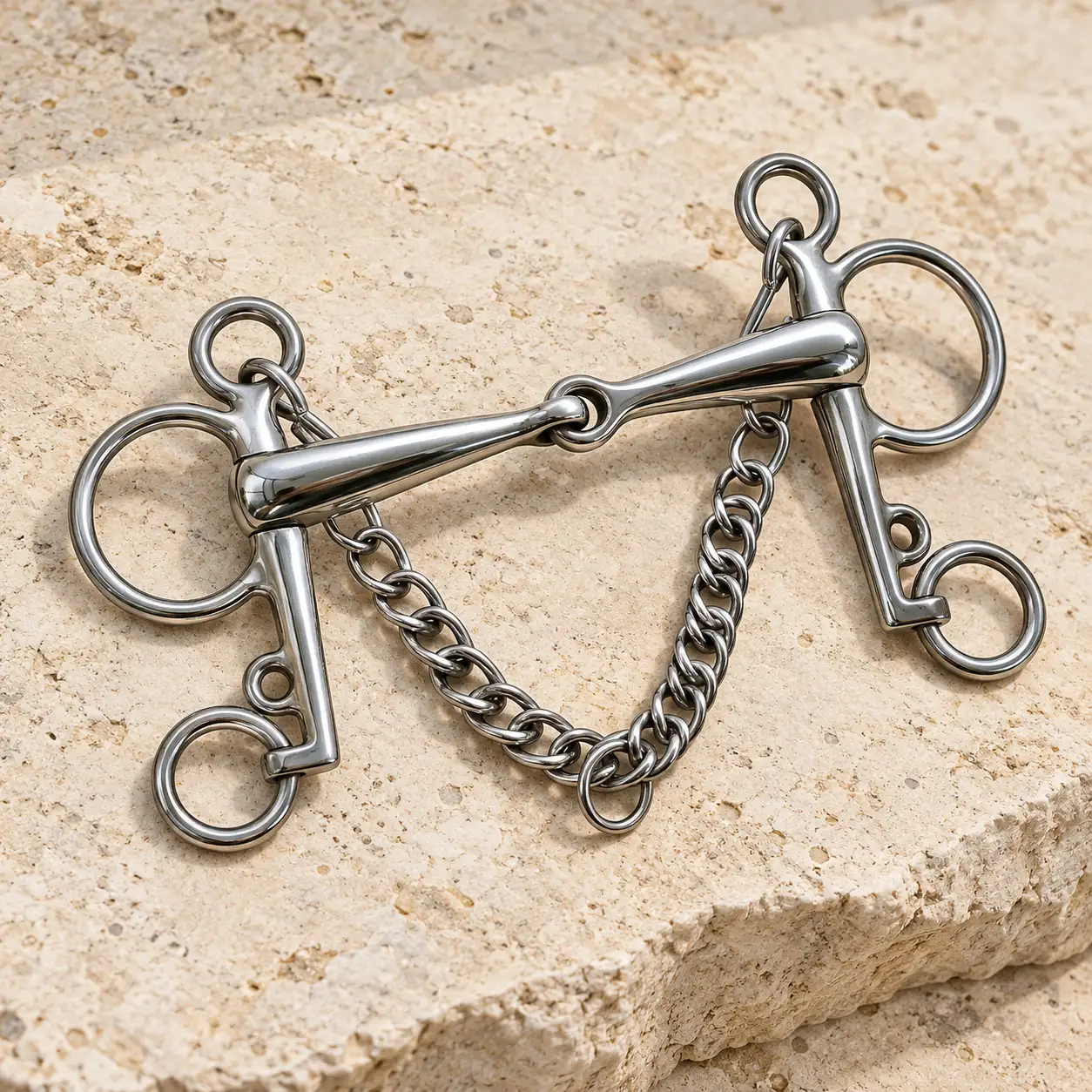
Retain the Size Record with the Sample
A complete photograph identifies the product, while the drawing explains what was measured. Keep both with the selected model code, nominal option label and material description. If a repeat sample differs, the record gives both teams a common reference instead of another round of approximate comparisons.
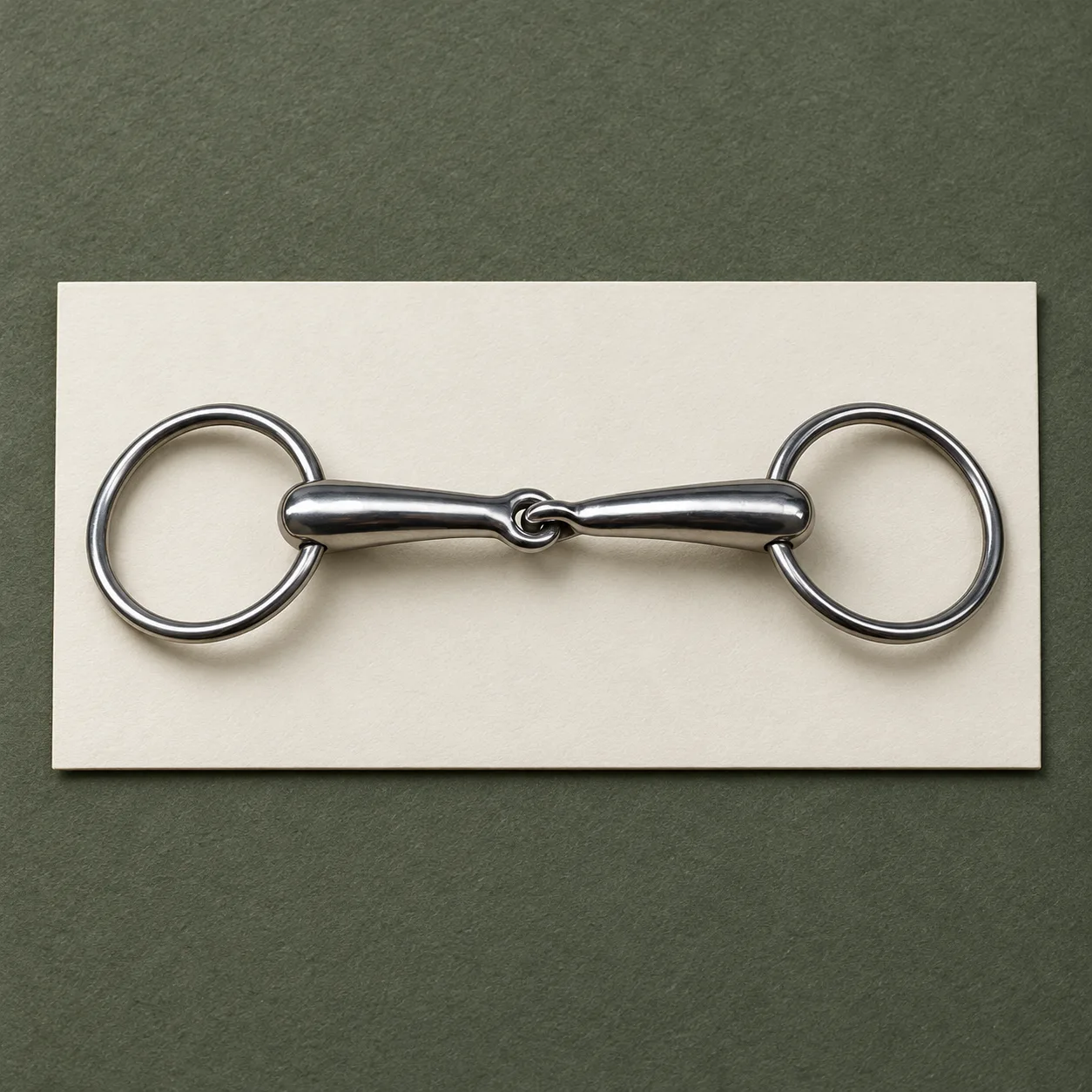
Turn Demand into a Measured Reorder List
Group past requests by family and accepted size, then decide which lines need samples, first quantities or replenishment. Do not assign sales percentages without your own demand data. For a first assortment, use the English-bit retail range guide; for a replacement source, use the retained-sample sourcing guide.
- CollectExisting equipment records and actual customer requests.
- MapComplete model plus accepted measured size.
- SelectSamples for uncovered combinations.
- ReplenishQuantities against the approved size record.
Start a Bit Size Sample Discussion
Send your existing bit reference, nominal size labels and the measurement method you currently use. Add the sizes your customers request, and we can discuss a measured sample range for first orders or replenishment.
We will review the model and configuration with you before a quotation is agreed. Include quantities and destination so sample, packing and delivery terms can be considered together.
Qingdao Relia Saddlery Co., Ltd.
info@reliasaddlery.com · +86 18561762631
Changjiang Road, Qingdao, Shandong, China
- Choose the productSend the model code, product link or your drawing.
- Describe your versionInclude the size, construction or appearance you need to discuss.
- Plan the next stepAdd quantity and destination, then agree the sample and quotation scope with us.