

Practical sourcing guide
Wooden Hobby Horse Jumps for Event Equipment Orders
Plan an event order from one complete hobby-horse jump: bases, uprights, bars and fixings. Put the assembly, actual dimensions and packed contents on one drawing before multiplying the quantity. This gives your venue a repeatable equipment unit and makes assembly and replacement needs easier to discuss.
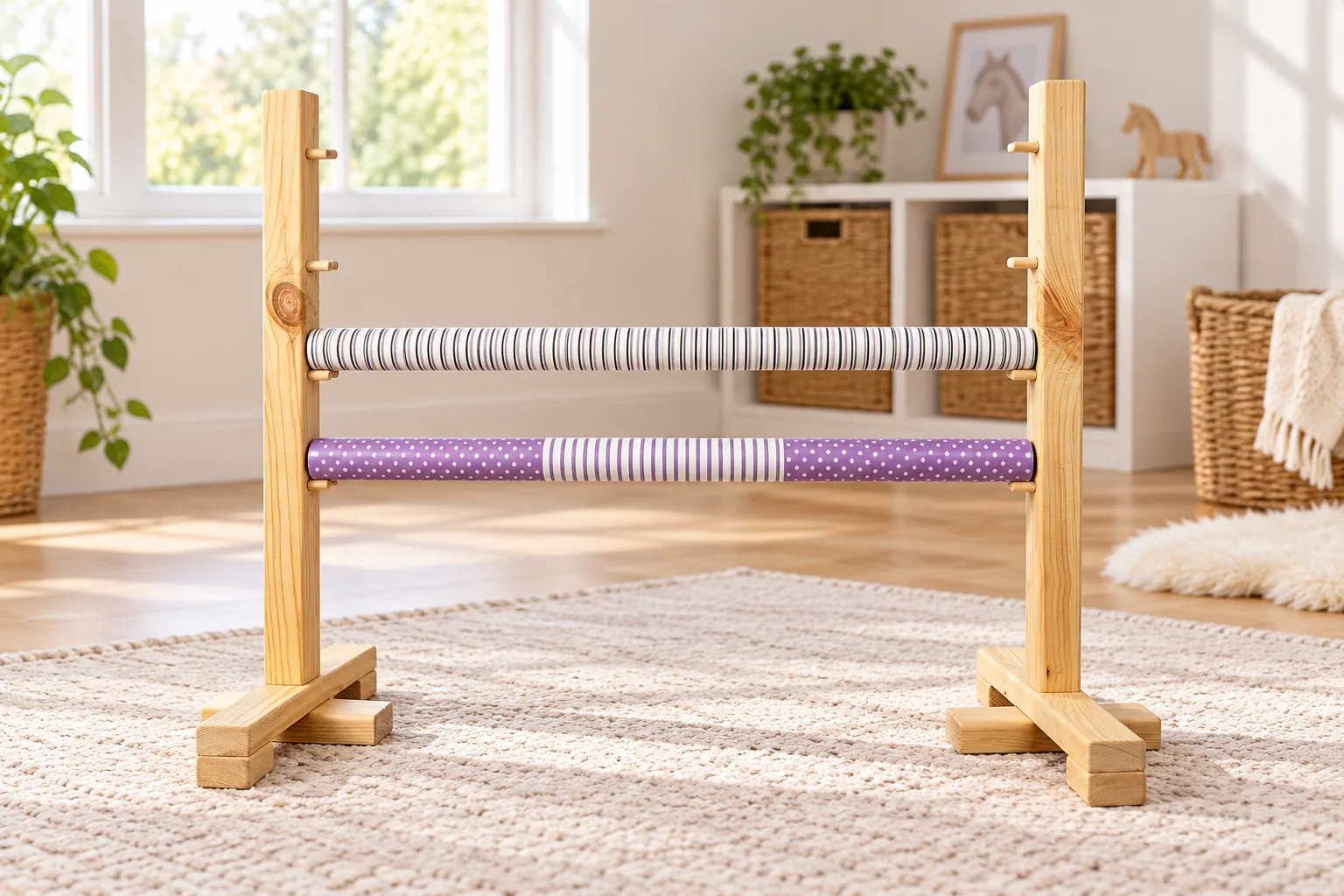
- AssemblyDefine bars, uprights, bases and fixings.
- DimensionsLocate the 60cm endpoints on a drawing.
- Event orderRepeat one agreed unit and packing list.
Choose for your application
Define One Repeatable Jump Unit
Relia can discuss the wooden-jump design against your event layout and required parts list. Keep the complete arrangement together, then specify the components to repeat rather than let short model or packaging labels stand for an assembly specification.
Complete Equipment Unit
- Uprights and bars
- Define the required arrangement.
- Bases
- Choose the support footprint.
- Fixings
- List supplied joining components.
Read the design and specification notes
Define the bar, upright, base and fixing contents for the wooden jump you want repeated. Add the assembled dimensions, packed-parts list and any required assembly information. This gives an event order one clear unit to multiply and replenish.
| Product detail | Order confirmation |
|---|---|
| Wood | Declared material family |
| 60cm(23.62in) | Confirm measurement axis |
| Model 1 | Confirm required pack contents |
| Packaging yes | Packing format still to specify |
A closer product look
Locate the Base Connection
The upright-and-base view helps identify the joint you want described. List bases, uprights and fixings, then state whether the unit should arrive assembled or as parts; the cross-shaped foot does not reveal every loose fitting or tool inside the carton.
Base-Joint Contents
- Base piecesNamed components and quantities.
- UprightsMatching connection positions.
- Assembly itemsRequired fixings and tools, if included.
Read the design and specification notes
The upright-and-base view helps locate the connection that your equipment brief should describe. List the proposed bases, uprights and fixings, and ask whether they are supplied assembled or as parts. A visible cross-shaped foot does not tell you which loose fixings or tools arrive in the carton.
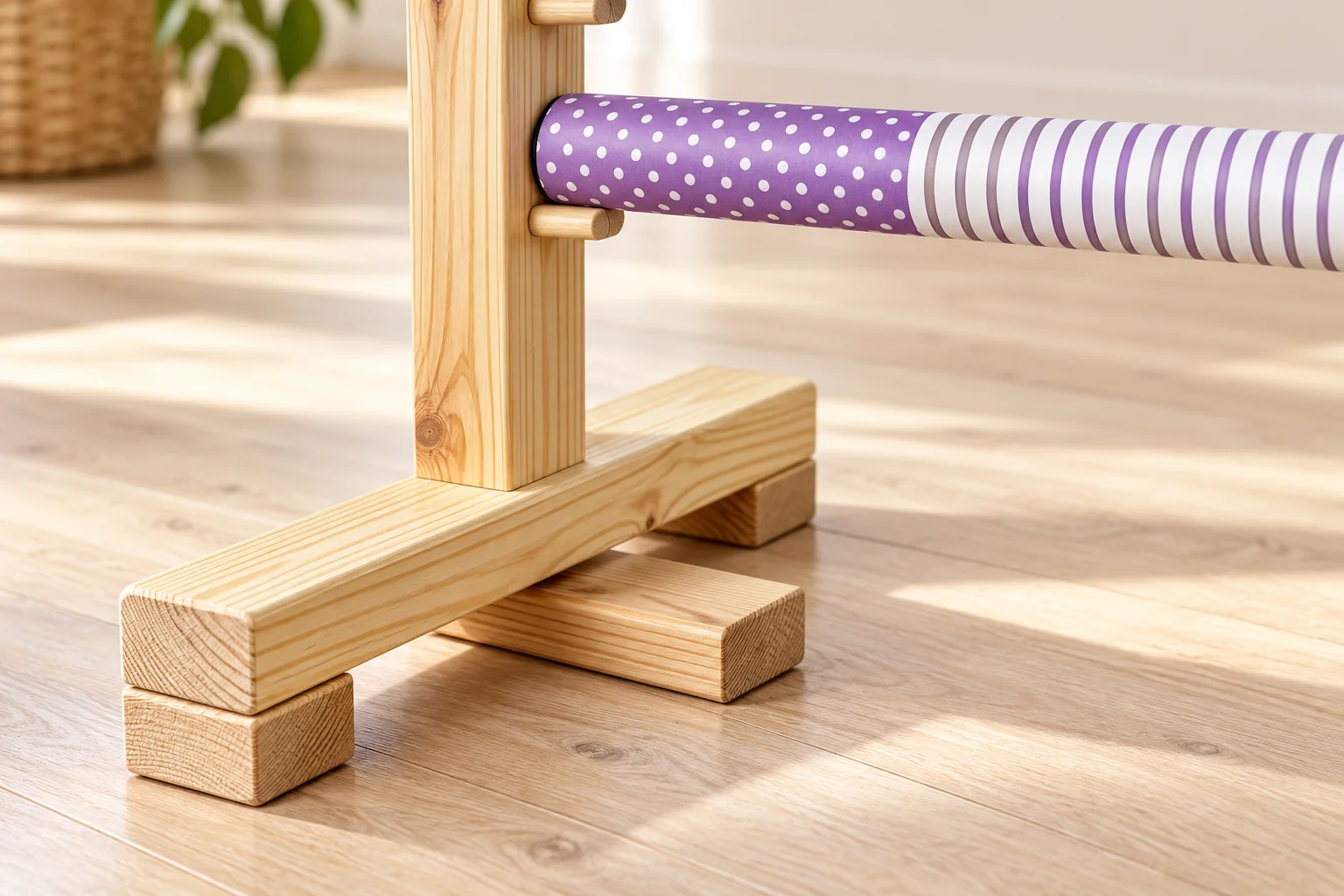
Choose for your application
Assign Each Dimension Separately
Mark upright dimensions, bar length, base footprint and any requested bar-position dimensions separately. Locating the nominal 60cm on that drawing makes the order comparable without treating it as a confirmed height, span or adjustment range.
Locate the nominal 60cm on the drawing and confirm each required height, span and bar position.
Dimension Plan
- UprightHeight and connection positions as requested.
- BarLength and end form.
- BaseFootprint and joint arrangement.
Read the design and specification notes
Name upright dimensions, bar length, base footprint and any requested bar-position dimensions separately. Confirm which feature the nominal 60cm describes before agreeing the height, span and any bar-position range. A small drawing with those distinct measurements is more useful than asking for the standard 60cm version.
Construction and making
Connect Cut Parts and Joint Positions
In wooden assemblies, cutting establishes mating parts, drilling locates connections and surface preparation addresses cut edges and hole openings. Compare those prepared parts with the complete jump, because an overall dimension cannot identify a misplaced hole or missing fixing.
Agree the selected wood, surface preparation and actual production route.
Parts to Complete Assembly
- Cut partsCompare the mating outlines.
- Drilled connectionsLocate joints on the drawing.
- Finished assemblyCheck edges and the complete fixing list.
Read the design and specification notes
For a wooden jump design, cutting establishes the parts that meet at the base and bar supports; drilling locates their connections, and surface preparation addresses the cut edges and hole openings. The fasteners then join those prepared parts. This is a general manufacturing sequence, with the actual route and materials agreed for the selected version. Compare the parts drawing with the assembled configuration, because an overall size cannot identify a misaligned hole or a missing fixing component.
Share the product link and your intended use, with these details:
- Assembly drawing: Mark uprights, bar length, bases and the endpoints of the nominal 60cm entry.
- Packed unit: List every component and fixing with assembled or loose-parts supply requirements.
- Event context: Give venue, destination market, intended users and the number of identical units.
A closer product look
Include the Venue and Users
The outdoor view illustrates an arrangement rather than suitability for every surface. Give the venue and intended user group; if supplied as a US children’s toy, classification and age affect the requirements to discuss with the responsible buyer.
Include the venue, intended users and destination-market documentation requirements.
Use-Context Inputs
- VenueIntended surface and available layout.
- UsersAge group and programme context.
- MarketDestination and product classification.
Read the design and specification notes
The outdoor arrangement illustrates layout, not proven suitability for every surface. State the intended venue and user group. If the product will be supplied as a US children’s toy, classification and age affect the requirements discussed with the responsible buyer; the product range does not establish compliance or an approved age range.
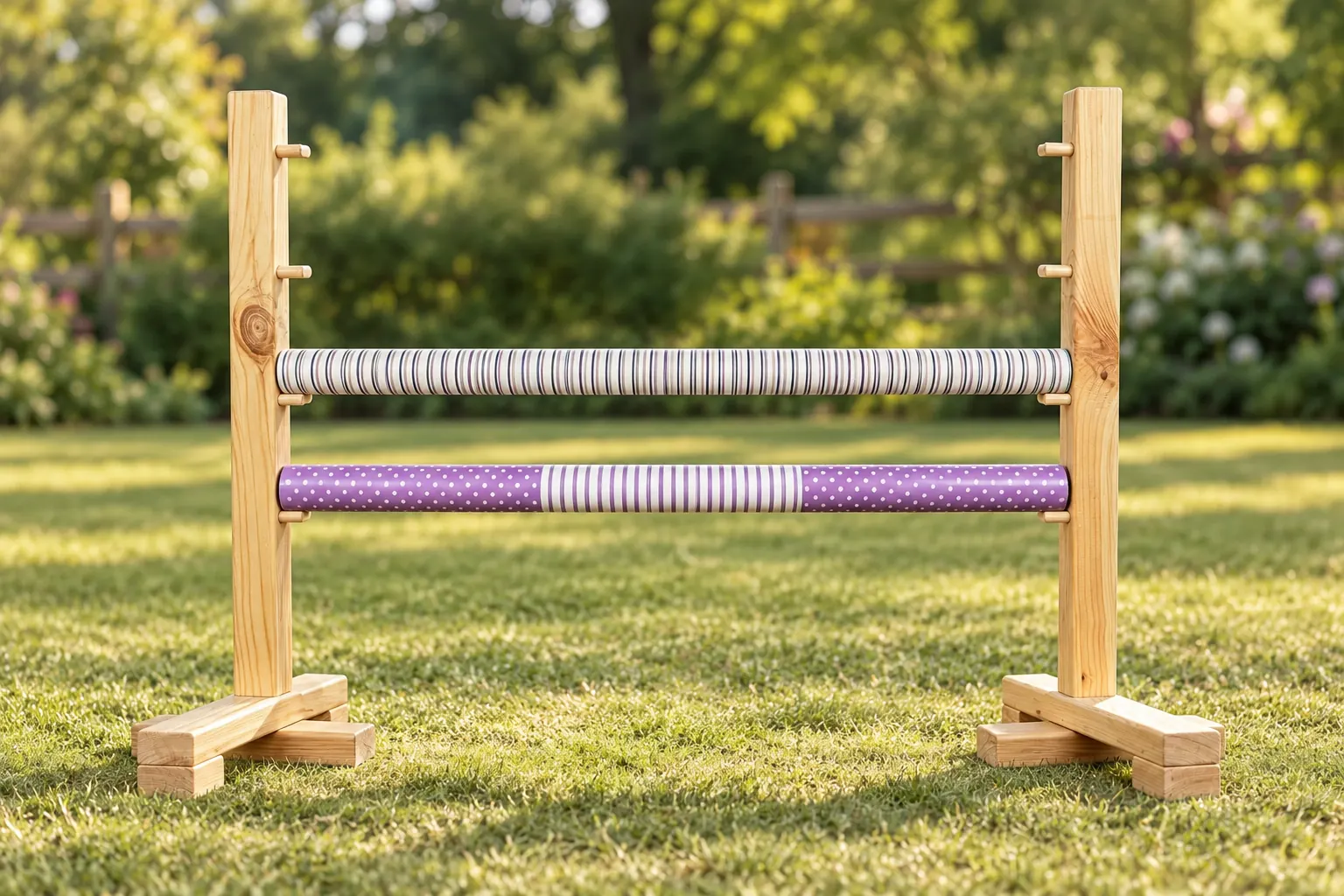
Choose for your application
Reconcile Assembled and Packed Counts
Define the uprights, bases, bars and named fixings in one complete unit, then repeat that list across the event quantity. Keep packed dimensions and assembly information with the same configuration so a multiple-unit order does not become an unallocated assortment.
One Unit to Event Quantity
- Defined unitAgreed component schedule.
- Repeated quantitySame unit multiplied across the order.
- Packed versionMatching parts, dimensions and assembly information.
Read the design and specification notes
List each upright, base, bar and named fixing in one proposed unit. For multiple event units, repeat that defined contents list rather than turn the order into an unallocated assortment. Ask for packed dimensions and assembly information against the same configuration used in the quotation.
A closer product look
Keep Bar and Support Details Recognisable
Use the close detail to locate bar ends, support shape and decorative pattern on the whole jump. Keep these features with the order so a colour request does not quietly change the geometry, and state any performance requirement separately.
State any required stability, release or load evaluation for the selected equipment.
Appearance and Geometry
- Decorative pattern
- Chosen appearance.
- Bar and support
- End form and connection geometry.
- Performance need
- Separately stated requirement for the equipment.
Read the design and specification notes
Use the bar-and-support detail to locate end form, support shape and decorative pattern on the complete jump. Record those features with the order so a later colour request does not change the geometry unnoticed. Performance questions such as stability or release behaviour remain separate requirements for the selected equipment, not facts inferred from this view.
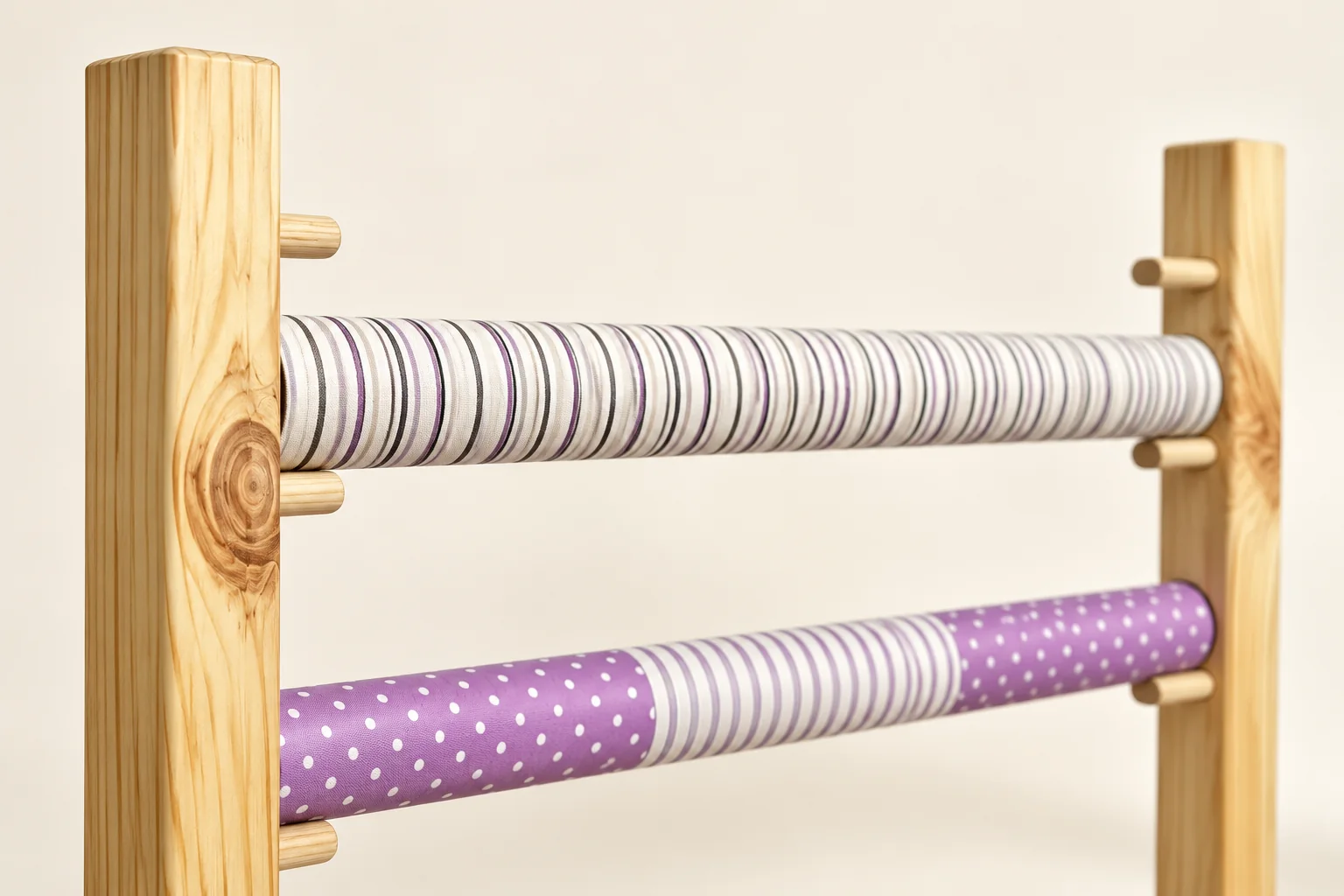
Products behind these choices
Wooden Hobby Horse Jump Toys with 60cm Size Reference
Compare the complete wooden jump, confirm the 60cm measurement axis and list the parts and quantity you need.
View this product →Start a product discussion
Send One Complete Event-Jump Version
Send one dimensioned jump assembly, its packed-parts list and the venue and intended users. Add the number of identical units and any specific performance or documentation requirements. We can discuss the bars, bases and fixings for that defined event setup.
Qingdao Relia Saddlery Co., Ltd.Changjiang Road, Qingdao, Shandong, ChinaProduct discussion details
Build Your Enquiry
- Assembly drawingMark uprights, bar length, bases and the endpoints of the nominal 60cm entry.
- Packed unitList every component and fixing with assembled or loose-parts supply requirements.
- Event contextGive venue, destination market, intended users and the number of identical units.