

For covered-mouthpiece retail sourcing
Covered-Mouthpiece Horse Bits for Retail Sourcing
Source a covered-mouthpiece bit with the outer material, finished profile and complete cheek assembly defined together. We manufacture horse bits and can review the selected construction with your required dimensions and care information. Start with the model you want to sample, then confirm the covering and underlying build in the quotation so your retail description matches the product you approve.
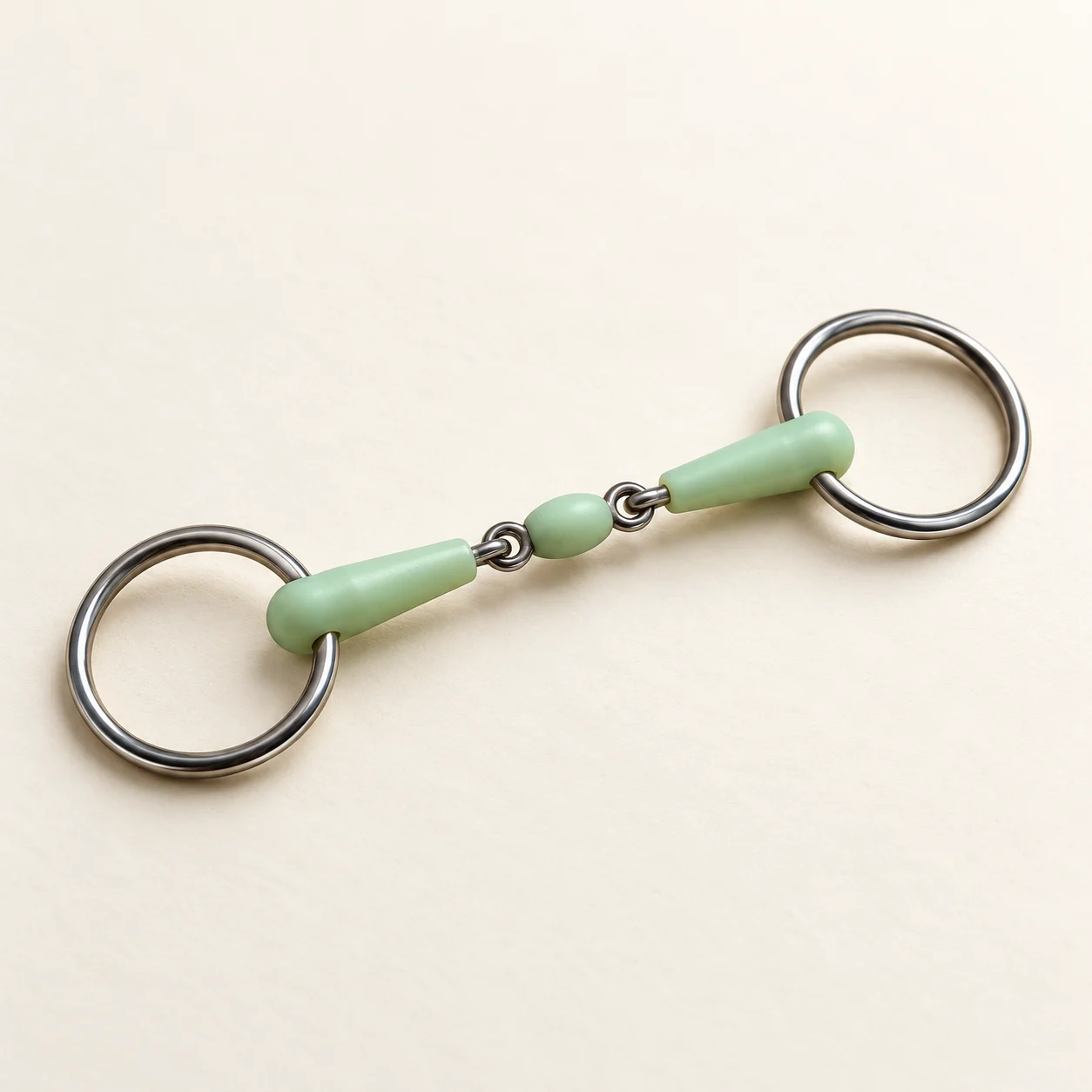
Separate the Covering from the Core
Make the retail material description match the product. Relia manufactures its own horse bits and checks materials, dimensions, appearance and assembled fit. We review the outer layer, underlying assembly and exposed joints separately, so the sample and quotation describe the same covered-mouthpiece construction.
The #72 Pelham specifies a black soft-rubber mouthpiece. For BT0532, agree the outer material, internal build and joint details for the selected sample. Keep those two assemblies separate when comparing the covering, finished thickness and care requirements.
Named covering, actual coverage and finished surface.
Confirmed construction beneath the covering.
Exposed joints, outer ends and cheek attachment.
Dimensions, actual movements and supplied contents.
Use the Complete Product Label
BT0532 and BT0532RED are complete current option labels. The RED suffix is part of the code; it does not establish a named red colour or a separate material. Keep the chosen label tied to the sample photograph and material description before you compare a second version.
- IdentifyFull selected code and actual sample photograph.
- DescribeCovering, core, joints and cheek materials separately.
- MeasureFinished width, thickness and connection geometry.
- ApproveComplete sample version with care and inspection information.
Keep the Covering Boundaries Visible
Review the boundary between BT0532’s pale mouthpiece sections and exposed connections. Keep the outer profile, ends and joints visible in the sample discussion, then agree the outer material, underlying build and finished dimensions in its own quotation. That gives your retail team a clear description of the actual sectional construction.
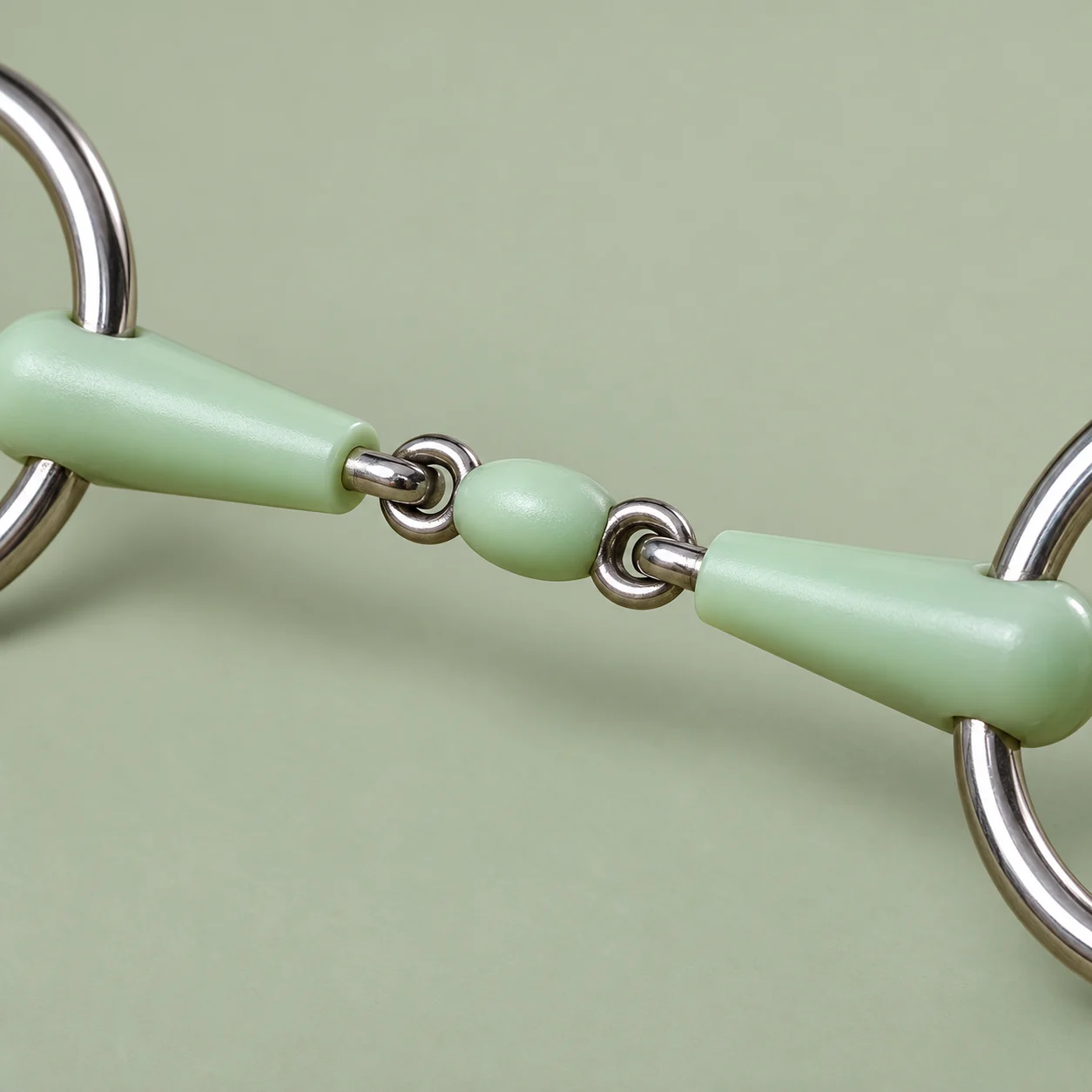
Write a Component-Based Retail Description
Make the component description easy for your retail team to use. Agree the outer layer, underlying build, exposed joints and cheek material separately for the selected sample. Keep those choices with the finished dimensions and care information so the quotation and the product explanation refer to the same construction.
| Component | Keep in the agreed description |
|---|---|
| Covering | Named material, coverage and finished thickness |
| Core or underlying structure | Actual build and material where applicable |
| Exposed joints | Material, geometry and documented movement |
| Cheeks and rings | Material, surface finish and attachment dimensions |
Review Forming and Assembly Around the Junctions
A covered design needs the underlying structure, outer material and exposed connections defined separately. We arrange the making and assembly route for that particular construction, with any required metal shaping or connection work, surface preparation and finishing kept distinct from the covering operation. The chosen model determines the applicable steps.
Our checks include materials, dimensions, appearance and moving-part or assembly fit. For your sample, review where the covering ends, the condition of exposed junctions and the finished mouthpiece geometry. Keep the actual covering and underlying material information with the product-specific care guidance, rather than carrying one Pelham's rubber description across to a different sectional design.
- Underlying buildConfirmed core or structural assembly.
- Covering stageActual material, method and coverage for this design.
- Junction reviewEdges and boundaries beside exposed components.
- Finished sampleDimensions, movement and accepted appearance.
Keep the Black Rubber Pelham Reference Separate
Model #72 is a different complete configuration from BT0532. Its black soft-rubber mouthpiece description belongs with its Pelham cheek and model code. Use it when that assembly is the product you want, rather than borrowing its material description for another pale or coloured mouthpiece.
The Pelham model guide covers its surrounding cheek and accessory decisions.

Compare Finished Products on the Same Basis
Compare complete sample geometry rather than colour alone. Where the purpose is to compare coverings, keep the cheek layout and width definition comparable. Where the products have different cheeks or core structures, list those differences so your buyer can evaluate the whole configuration. Fitting and use require qualified assessment for the intended horse and equipment.
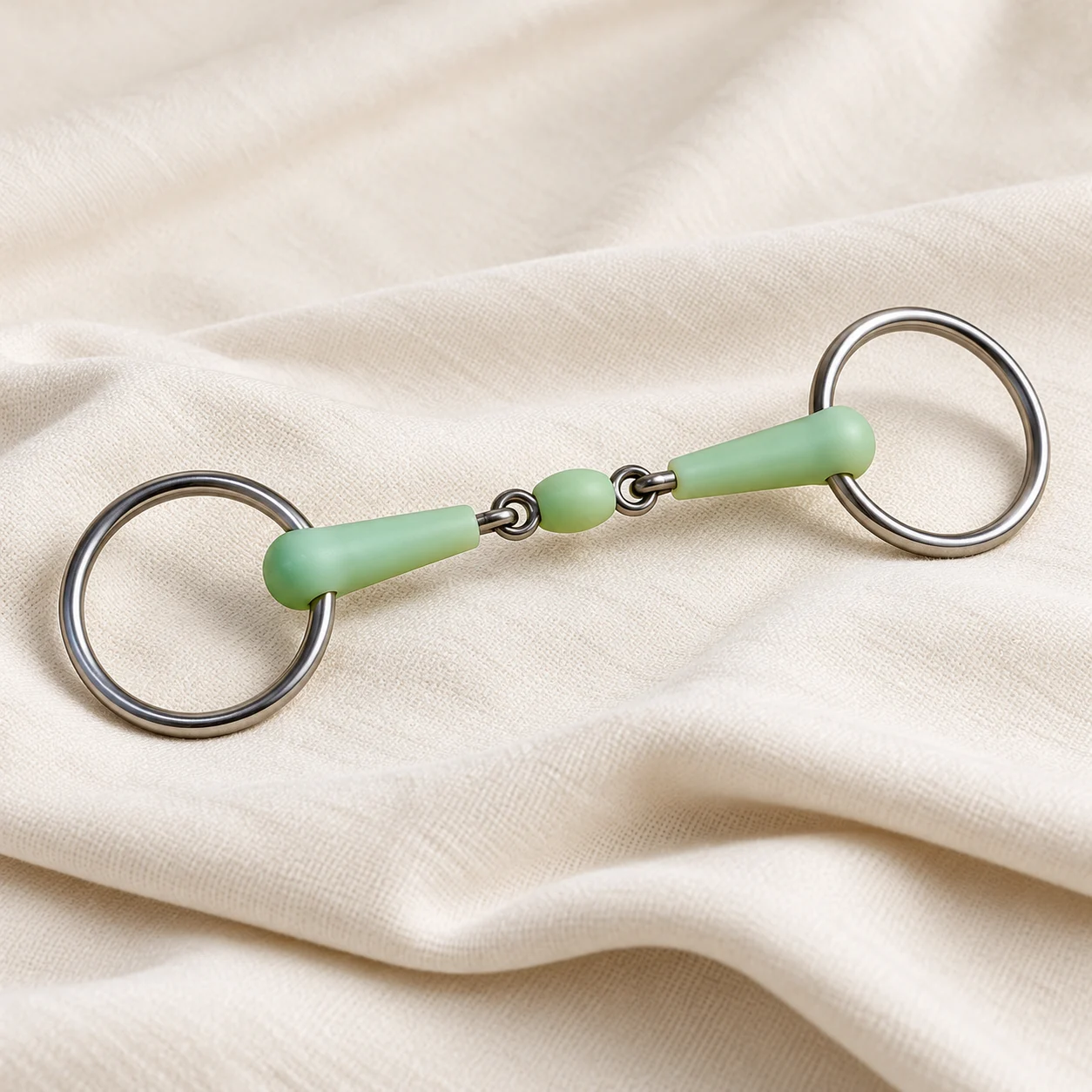
Keep Care Information with the Accepted Version
The sample pack should carry model-specific fitting, inspection and care information. Keep cleaning compatibility, inspection areas and replacement guidance tied to the actual outer material and construction. A general rubber or plastic category description is not a substitute for the selected product’s guidance.
Model, sample revision and component materials.
Covering boundaries, exposed joints and agreed surface condition.
Documented cleaning and care instructions for the accepted version.
Same complete construction, size record and supplied inventory.
Start a Covered-Mouthpiece Sample Discussion
Send the exact covered-mouthpiece reference and the outer material you require. Add your target dimensions, cheek arrangement and retail care requirements so we can discuss the complete sample rather than its colour alone.
We will review the model and configuration with you before a quotation is agreed. Include quantities and destination so sample, packing and delivery terms can be considered together.
Qingdao Relia Saddlery Co., Ltd.
info@reliasaddlery.com · +86 18561762631
Changjiang Road, Qingdao, Shandong, China
- Choose the productSend the model code, product link or your drawing.
- Describe your versionInclude the size, construction or appearance you need to discuss.
- Plan the next stepAdd quantity and destination, then agree the sample and quotation scope with us.