

WOODEN GROOMING RANGE DEVELOPMENT
Private-Label Grooming Kits Built Around Wooden Brushes
Plan a wooden-brush grooming range around the feel, grip and tool roles your customers need. Choose a complete kit or an individual brush, then identify the wooden parts, working faces and carrier separately. Add your proposed artwork area so we can discuss the product configuration and presentation as distinct parts of the project.
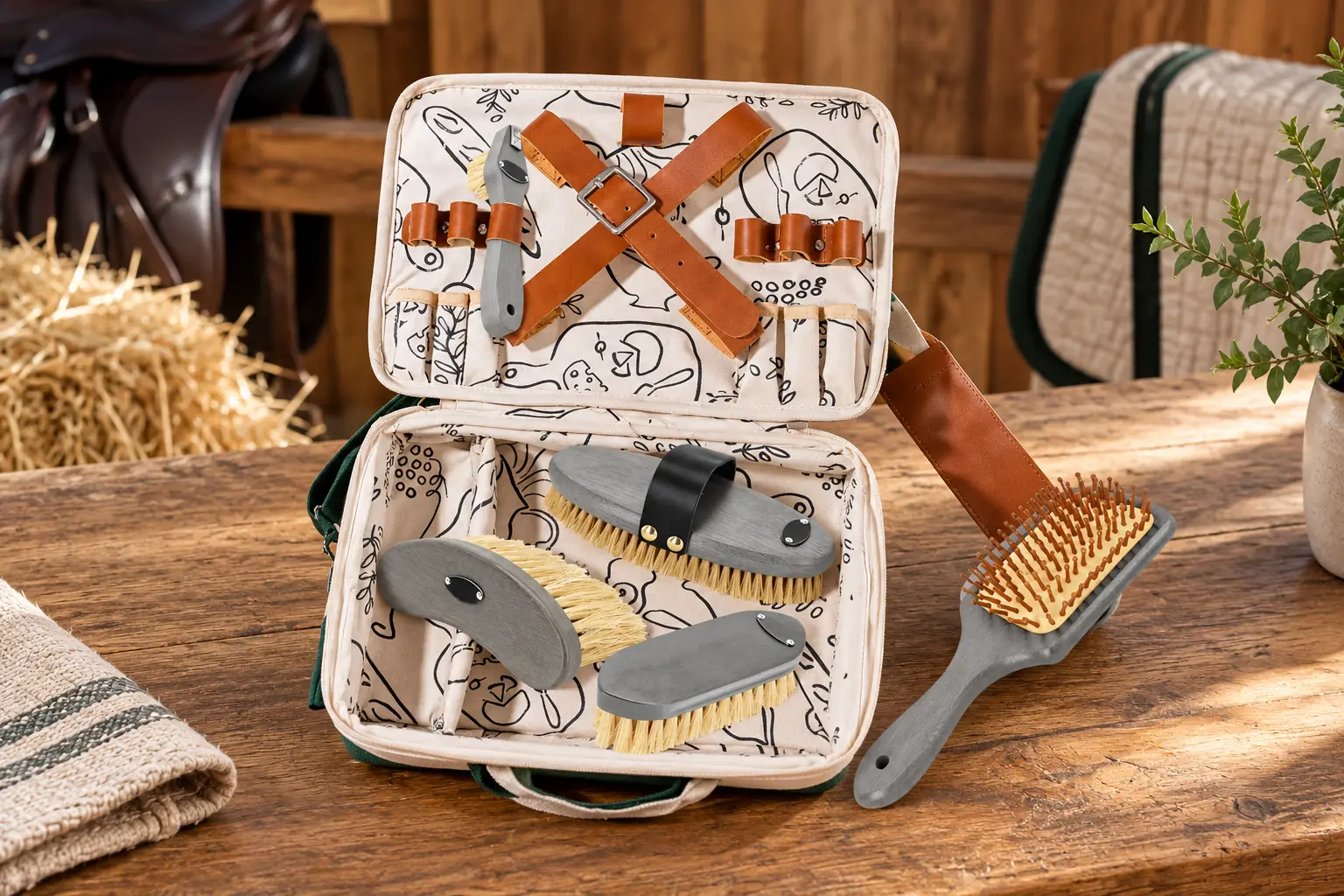
- Name the woodBacking and handle are specific components.
- Choose the scopeSingle brush and complete kit differ.
- Separate the revisionBranding and working-face changes are distinct.
Choose for your application
Keep wood separate from the other components
Relia can discuss the beech-reference case or individual brush with your brand range. Name the wooden backing or handle, then specify the contact face, inset and carrier independently so a mixed kit does not become an all-wood claim.
Break the product into useful components
- Wooden componentIdentify the backing or handle required.
- Working componentsDescribe the face, inset or tufts separately.
- CarrierKeep case or bag construction on its own line.
Read the design and specification notes
Relia can discuss the beech-reference grooming case or individual beech brush around the components you want in your brand range. Name the wooden backing or handle separately from the contact face, inset and carrier. That gives us a useful base for discussing appearance and mark position while keeping a mixed kit distinct from an entirely wooden assortment or the separate PP product route.
A closer product look
Treat the PP set as another material direction
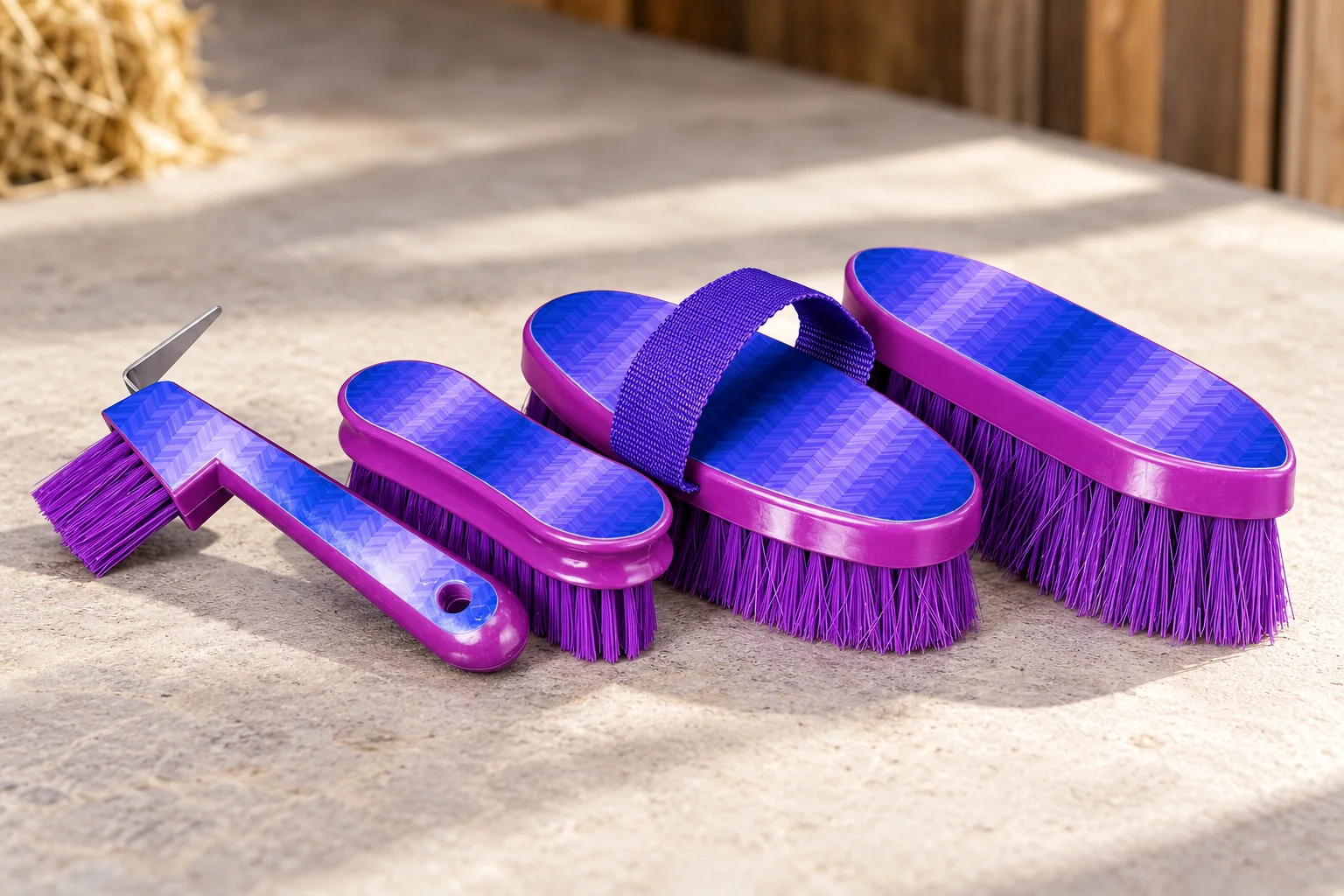
The purple-panel set has a PP description and its own assortment and back surfaces. Use it as a separate presentation route rather than calling it a wooden kit in another colour, and allocate artwork to the actual selected components.
Choose the material direction deliberately
- Beech-reference route
- Name the wooden components individually.
- PP route
- Keep the selected plastic tools distinct.
- Brand brief
- Show artwork on the actual backing surfaces chosen.
Read the design and specification notes
The purple-panel set has a PP material description. It offers a different material and presentation direction from the beech-reference range. Keep its actual tool assortment and back surfaces together in the artwork brief rather than presenting it as another wooden kit with a different colour.
Choose for your application
Choose the base project before marks or packaging
A complete case, PP tool set and individual beech brush lead to different decisions. Choose whether the first brief needs a contents list, component palette or one brush configuration before developing packaging around it.
Match the project to its first decision
- Complete caseStart with tools and carrier.
- PP tool setStart with selected items and component colours.
- Individual brushStart with the working face and backing.
Read the design and specification notes
A complete case, a plastic tool set and an individual wooden brush have different contents and presentation decisions. Use the base product to define the first task before choosing marks or packaging.
| Starting point | Material | First decision |
|---|---|---|
| Beech-reference grooming case | Beech Wood description | Included tools and case |
| Purple-panel PP grooming set | PP | Selected tool assortment |
| Individual beech brush | Beech wood | Head and option choice |
Choose for your application
Give each tool a role in the branded range
Choose the contact faces around the grooming tasks you want the assortment to cover. Loosening dirt, removing material, finer brushing and mane-or-tail work are different roles; another piece is useful when it adds a clear task.
Build the tool mix around use
- Prepare the coatIdentify the loosening or dirt-removal role.
- Refine the brush rangeChoose faces for the intended contact task.
- Add another taskInclude mane or tail tools where needed.
Read the design and specification notes
A grooming assortment can include tools for loosening dirt, removing loose material, brushing finer dust and dealing with mane or tail hair. Choose the actual tool faces around the tasks your retail range covers. More pieces are useful only when they add a clear role.
A closer product look
Locate the artwork on the chosen brush version
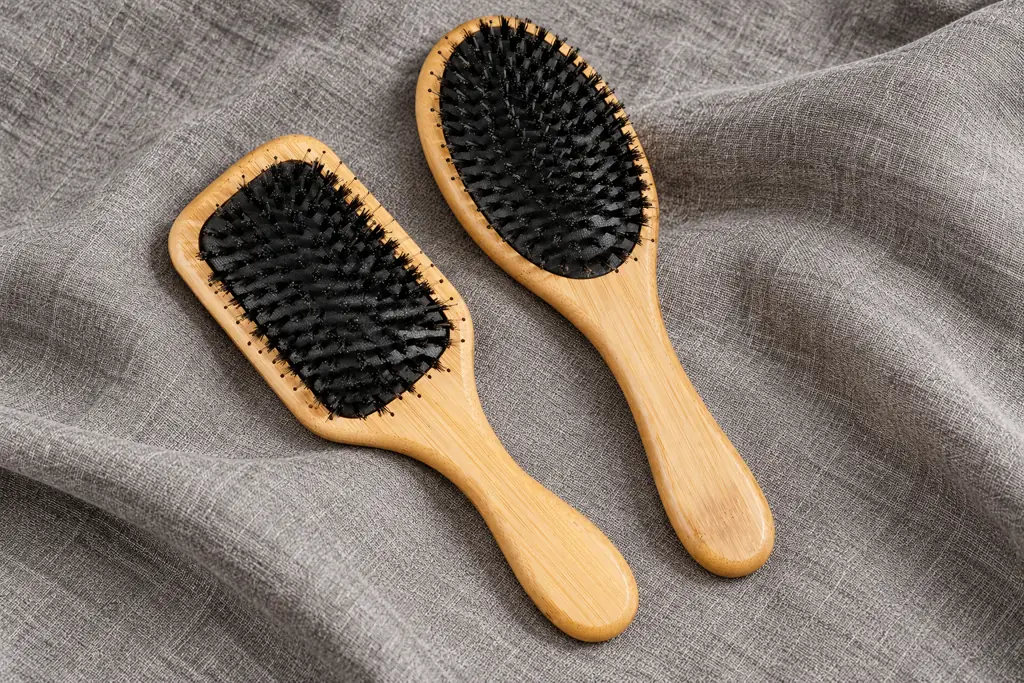
Choose the individual beech brush option and outline before marking the requested artwork area. Keep the surface separate from the contact face and inset; Yellow, Blue and 5527 are available options, with 5527 remaining a label rather than a measurement.
Keep 5527 as the selected option name and ask which marking methods are available for that brush surface.
Make the proposed mark location clear
- Selected option
- Retain Yellow, Blue or 5527 as the selected option.
- Chosen surface
- Point to the requested backing or handle area.
- Working face
- Keep the mark request distinct from contact components.
Read the design and specification notes
Choose the head and handle version, including Yellow, Blue or 5527 as applicable, before locating the artwork. Mark the surface you want decorated and keep it clear of the contact face, inset and handle edges. Ask which treatment is available for that selected brush.
Construction and making
Separate tufted construction from surface decoration
In tufted-brush construction, the backing supports tuft positions and trimming establishes the working profile. A new face changes the tool; decoration on an unchanged backing changes presentation. Align the actual tufting, wood finish and marking methods for the selected version.
Confirm the selected brush's tufting, wood finish and requested marking method during the product discussion.
Follow the change to its effect
- Backing and tuft positionsDefine where the working material is held.
- Finished profileCompare the exposed face after trimming.
- Selected decorationLocate the proposed mark on the chosen surface.
Read the design and specification notes
In a tufted-brush route, the backing carries the tuft layout and the inserted material is trimmed to the final working profile. Decoration then concerns a selected surface of the tool. A different tuft face can change the product, while a mark on an unchanged wooden backing may change its presentation. For the individual beech brush and the chosen kit tools, the actual tufting, wood finish and marking methods need aligning with the selected version.
Share the product link and your intended use, with these details:
- Brush or kit reference and specifically wooden components
- Selected working faces, tool list and carrier where applicable
- Artwork area and construction versus presentation changes
Choose for your application
Give each proposed change a component and purpose
A carrier colour and a different brush face are distinct revisions. Name the affected component and its role in the range, then separate the changes needed for working use from presentation preferences so the project stays clear.
Turn comments into focused changes
- ComponentName the tool, face, backing or carrier.
- PurposeState the useful result of the change.
- Revision typeSeparate construction from colour or artwork.
Read the design and specification notes
Name the component you want to change and the reason it matters to the range. A carrier-colour request affects presentation; a different contact face changes the tool your customer uses. Keep those requests separate so the selected product and any sample can be discussed clearly.
A closer product look
Review the filled assortment as one retail unit
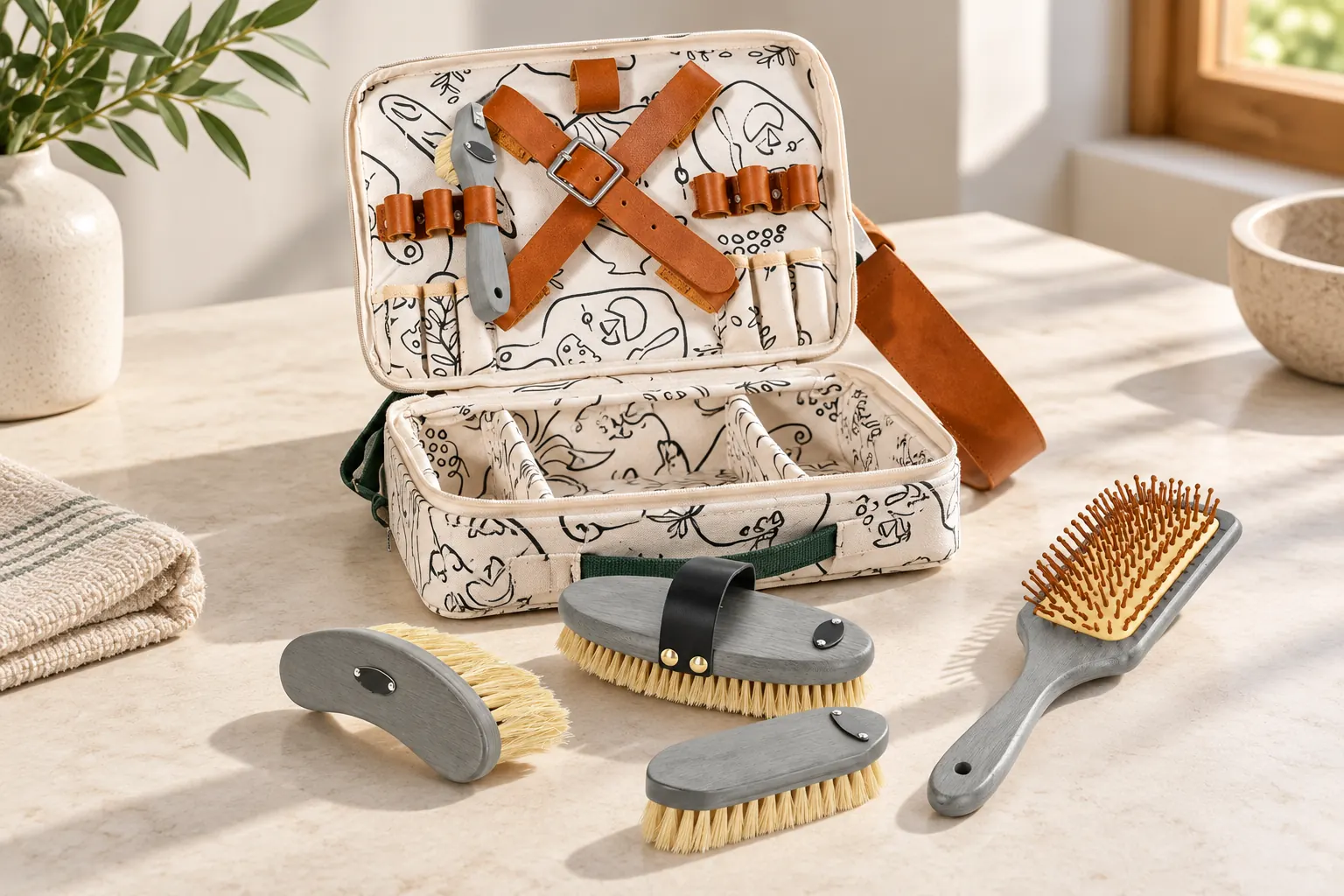
Show every chosen tool in its assigned place with the requested visual treatment. Keep a contents list beside that view so the branded presentation remains tied to the actual wooden components, other materials and separately supplied items.
Keep presentation tied to the contents
- ToolsIdentify each selected item and its materials.
- Carrier layoutShow the assigned storage position.
- Brand treatmentApply the proposed appearance to that defined assortment.
Read the design and specification notes
Show every chosen tool in its assigned place with the requested visual treatment. Keep the final contents list beside that view. This allows your team to evaluate the brand presentation without losing track of which parts are wood, which are other materials and which arrive as separate items.
Products behind these choices
Beech Wood Horse Grooming Kit | 5-Piece Reference and Case
Define the mixed tool and carrier contents of the beech-reference case.
View this product →Horse Grooming Brush Set with Purple Diagonal Panels
Compare the separate PP assortment as another material direction.
View this product →Beech Wood Horse Brush with Dark Inset and Tufted Face
Develop a specific beech brush with a chosen option and artwork area.
View this product →Start a product discussion
Send the component-level wooden-range brief
Send the kit or brush you are considering, the wooden components, working-face requirements and proposed artwork area. For a kit, include the tool list and carrier. We can discuss which product changes and presentation options are available for that selected version.
Qingdao Relia Saddlery Co., Ltd.Changjiang Road, Qingdao, Shandong, ChinaProduct discussion details
Prepare the wooden-grooming enquiry
- Choose the scopeName the brush or complete-kit reference.
- Describe componentsIdentify wood, working face and carrier separately.
- Show the changeAdd artwork position and required component revisions.