
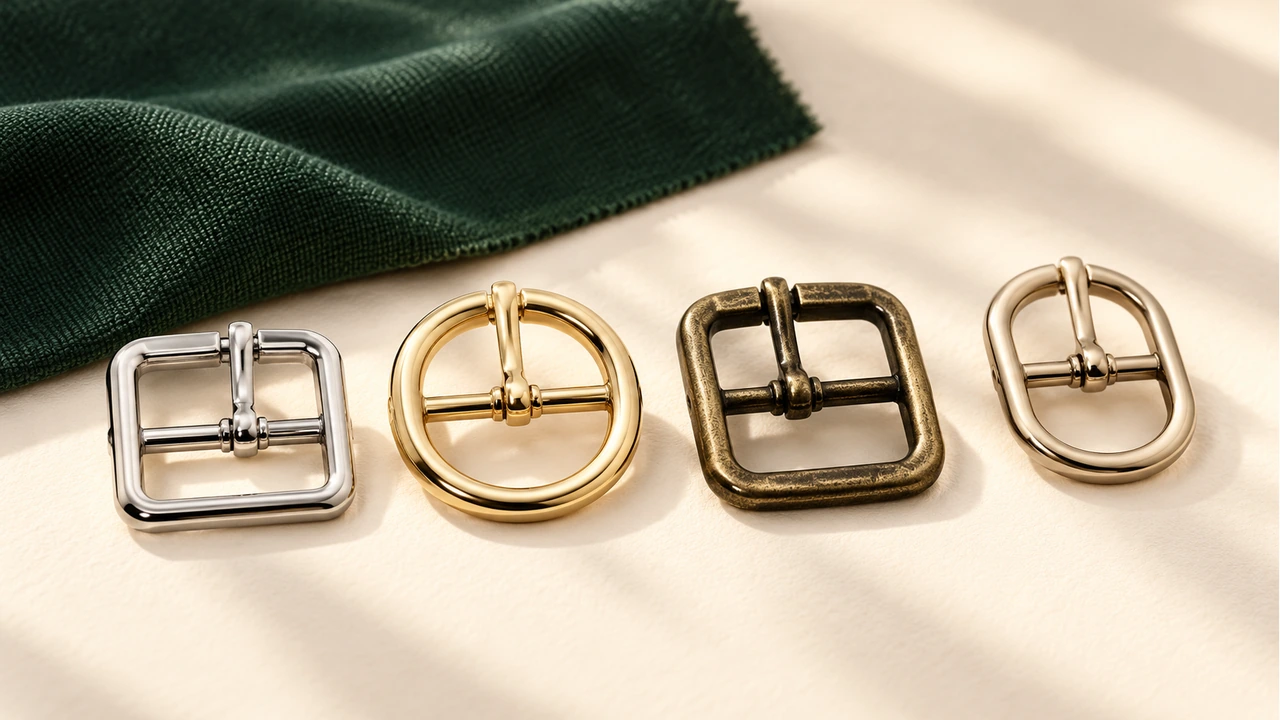
Put appearance and composition in separate columns
A finish name helps identify an appearance; it does not establish the base material, metal grade or performance of a tack fitting. When preparing a wholesale hardware enquiry, keep the product reference, component material and surface specification as separate fields. This makes it possible to discuss a bright silver or antique-looking option without turning a colour description into a claim about what the fitting is made from.
The distinction is useful when several buckles, rings or hooks are being compared. Two fittings may have a similar visible colour while using different underlying materials or processes. Equally, one base material can be offered with several appearances. A purchasing record should preserve the connection between each selected item and its own declaration, rather than borrowing technical information from a visually similar product.
A practical translation of common selection fields
| Field | What it can tell you | What still needs confirmation |
|---|---|---|
| Colour or appearance label | The option name used to select the visible look | The approved appearance and actual process |
| Base material declaration | The material named for the selected product or component | Grade, component coverage and applicable records |
| Surface process | A stated treatment or coating description | Which component receives it and the accepted specification |
| Sample approval | The physical reference accepted for a defined purpose | Revision, permitted variation and inspection conditions |
| Performance requirement | The outcome your application needs to assess | Applicable evidence for the selected version and conditions |
Keep the supplier's actual option name in your request, even if you add your own internal colour code. If the menu says Bright Nickel or Antique brass finish, copy that wording exactly and ask what it means for the selected reference. The aim is accurate identification. Do not silently change an appearance label into a base-metal declaration or a certification statement.
Start with the exact fitting, not a colour swatch alone
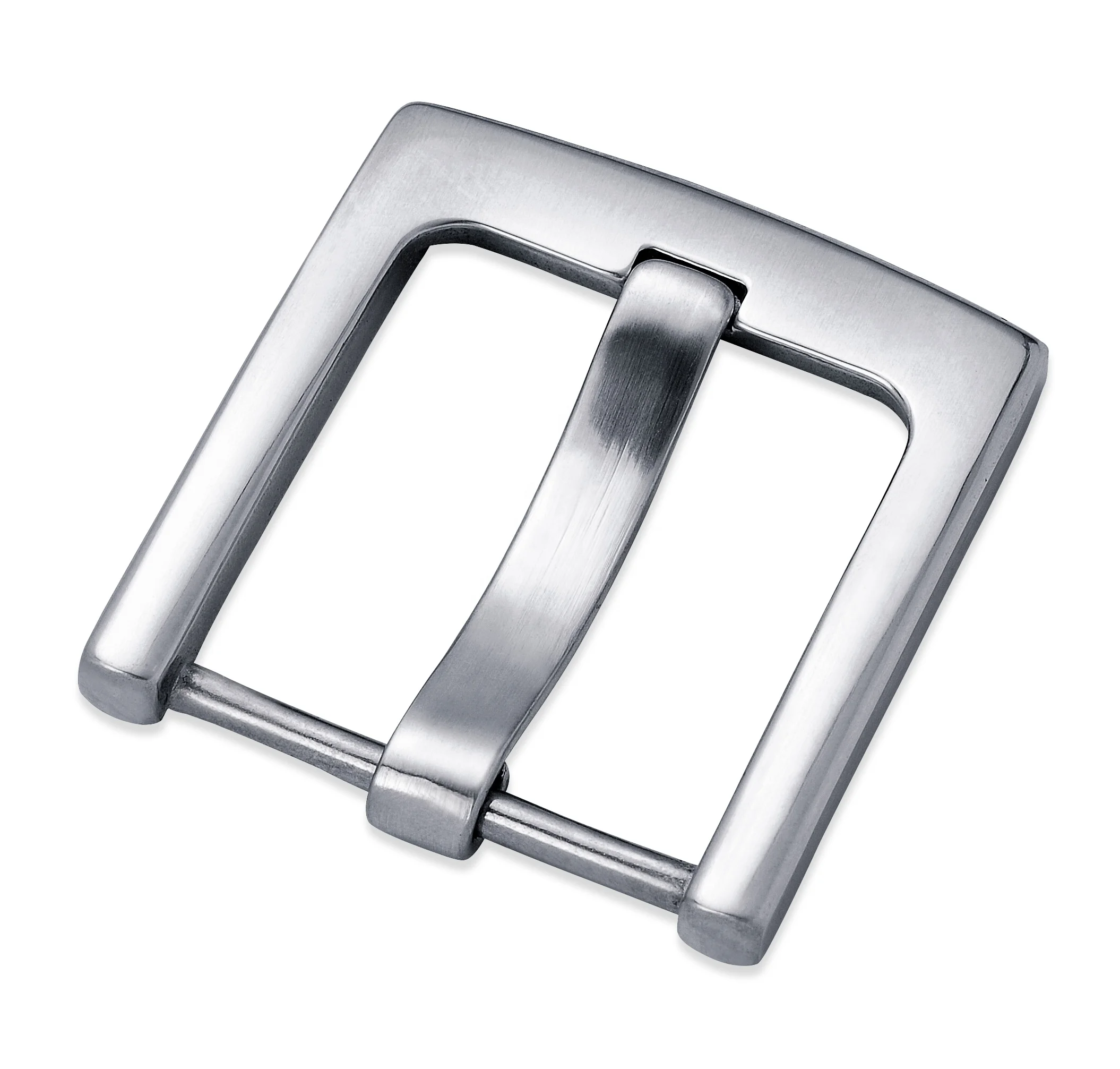
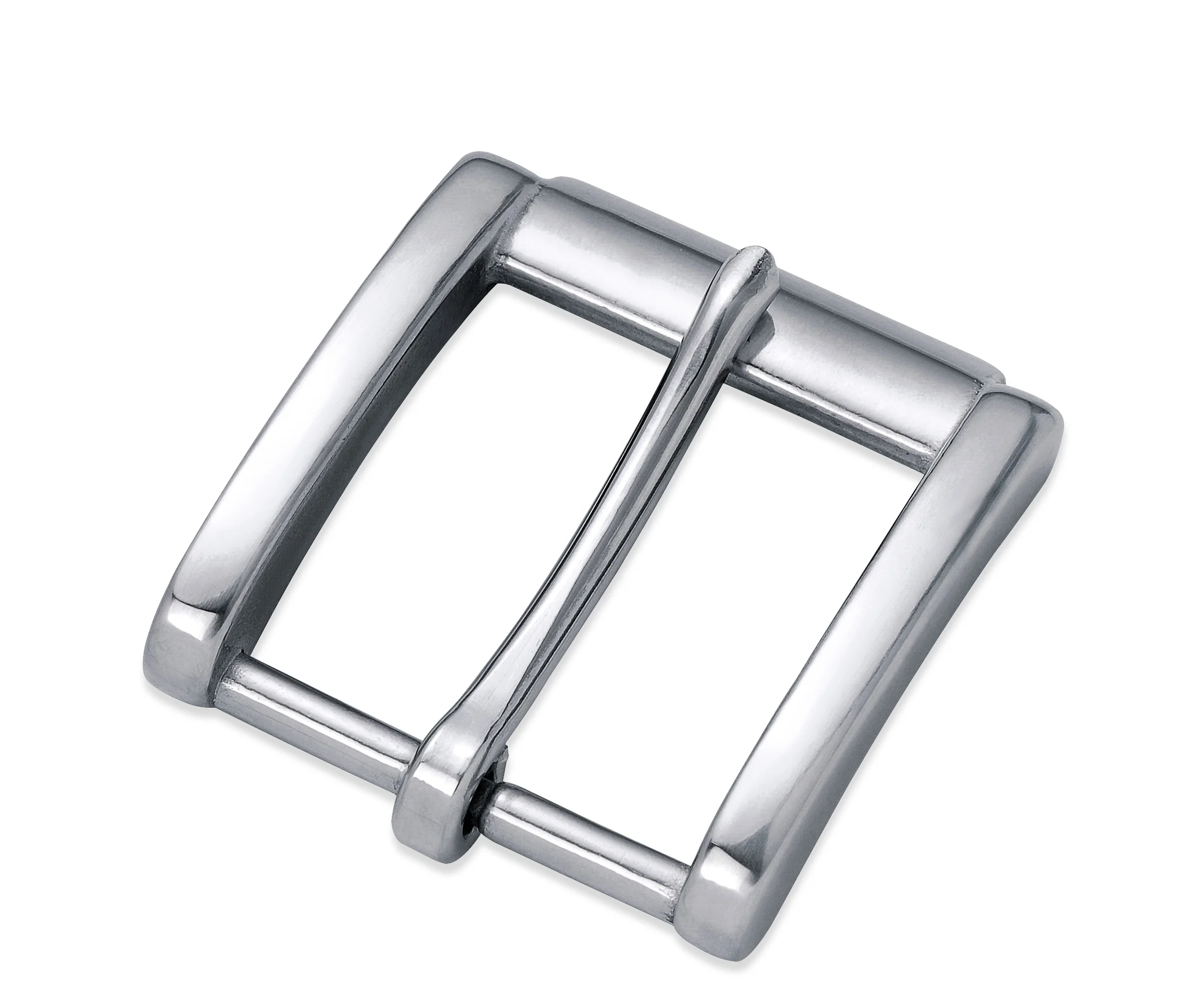
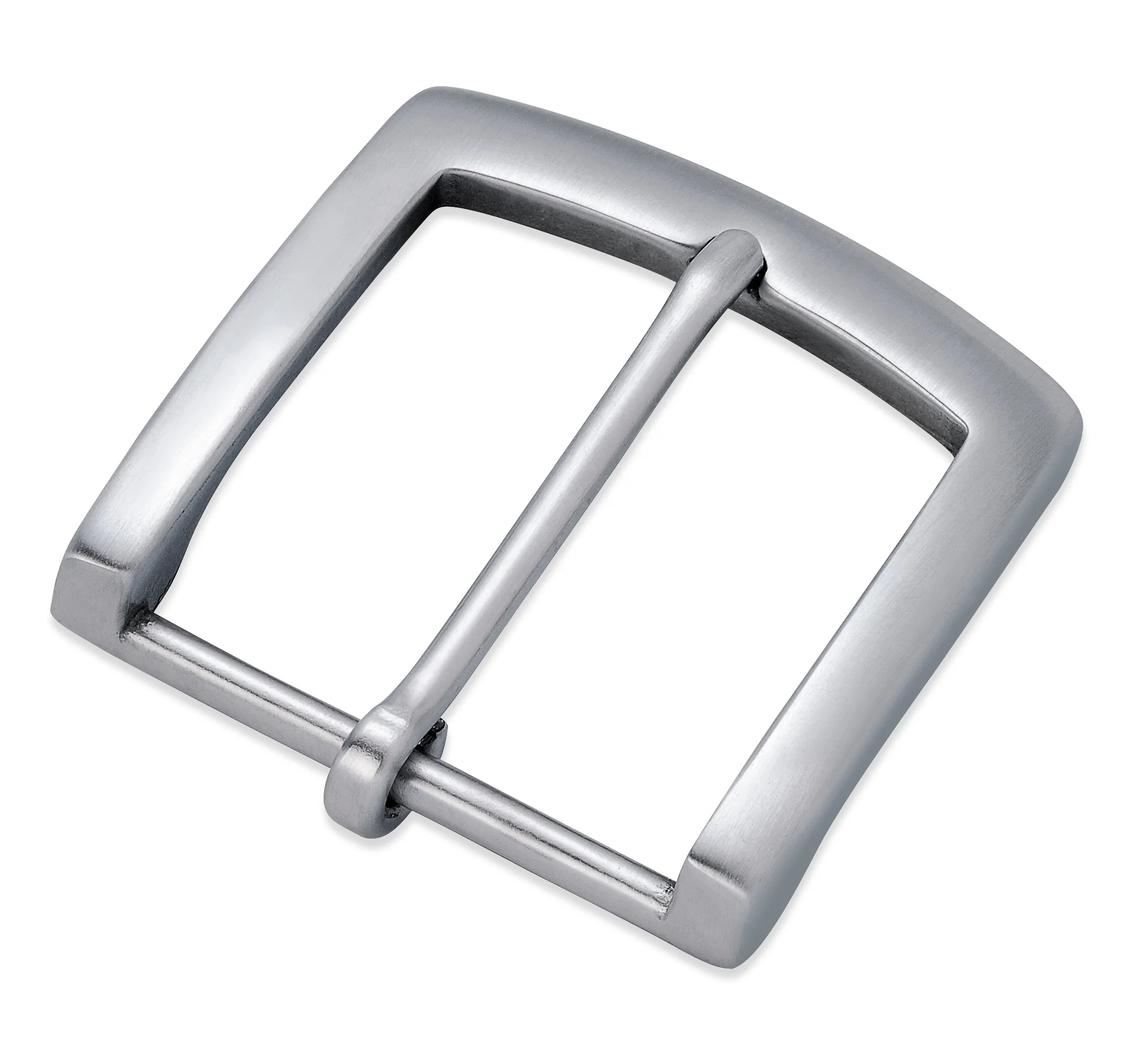
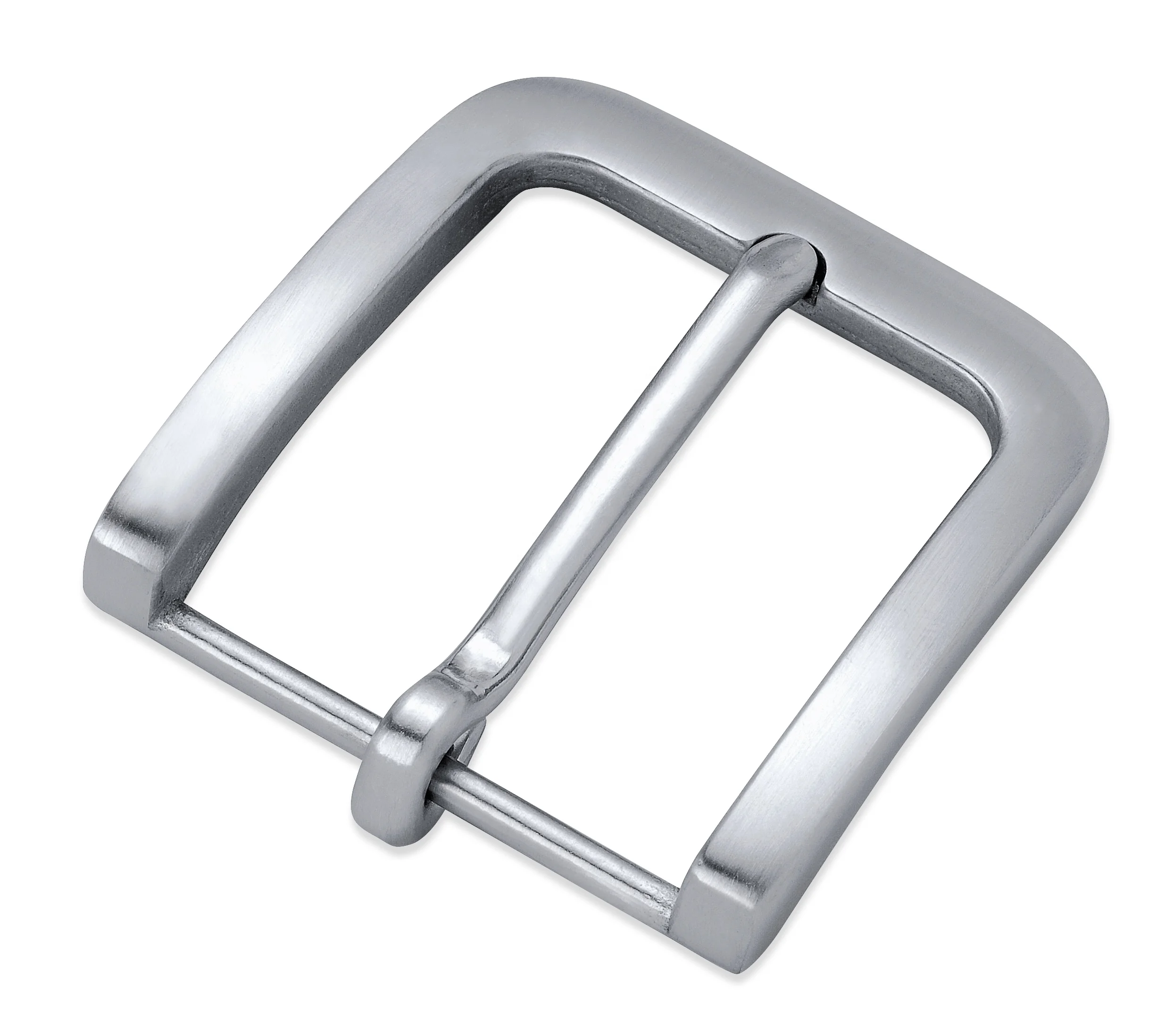
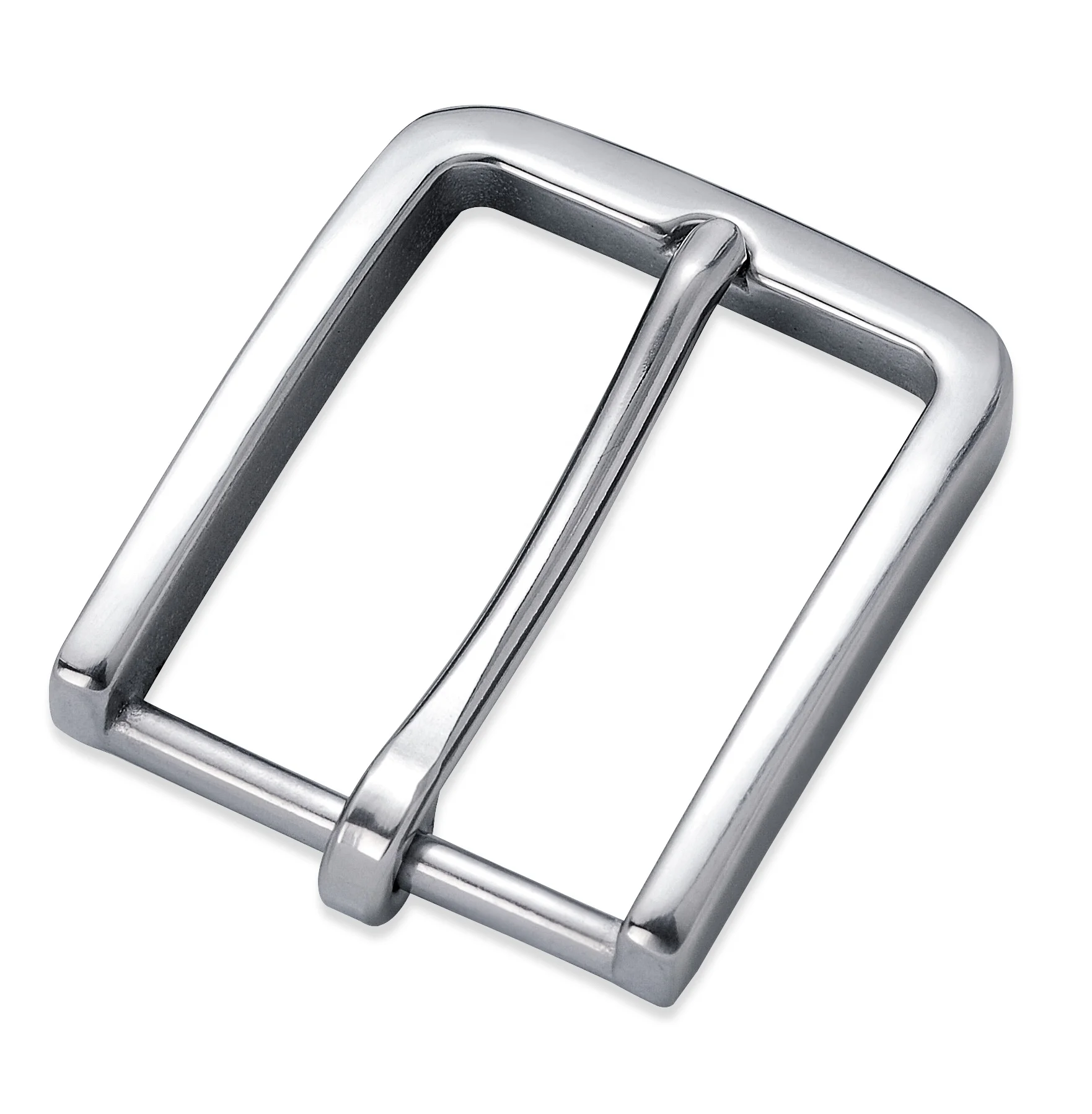
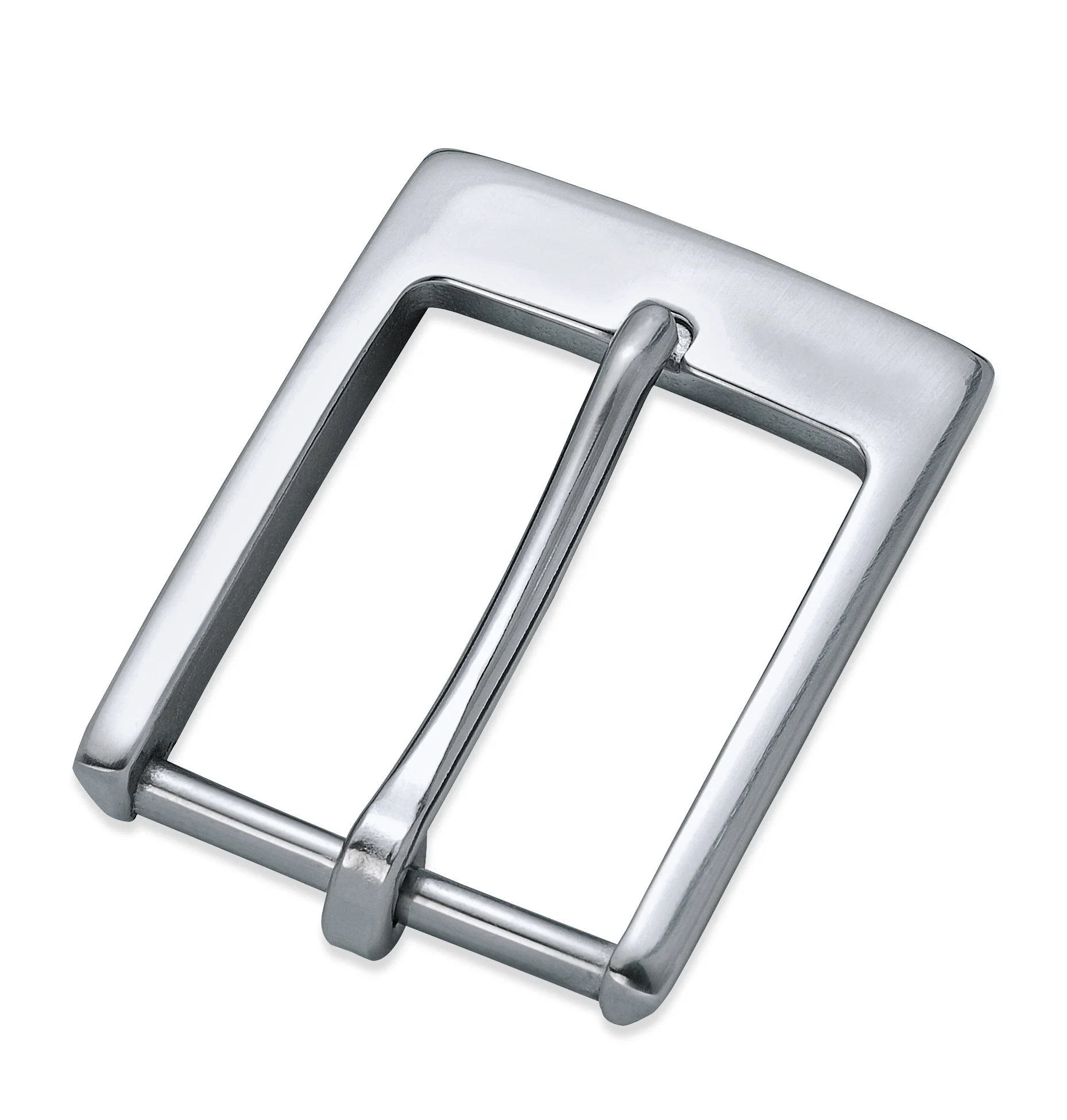
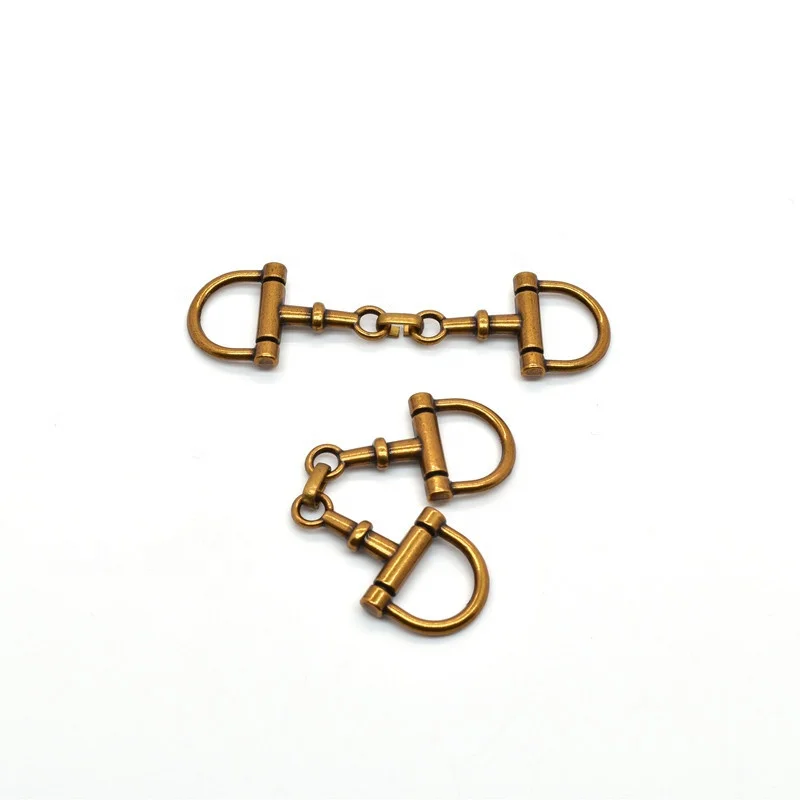
Relia's catalogue includes YF08 pin buckle references presented with zinc alloy wording and finish choices. It also includes a YF103183SS buckle presented with a stainless steel declaration. These examples show why the product reference matters. A silver-looking photograph cannot establish that both items have the same composition, and one title does not establish the material of every separate part within the fitting.
State the selected form, nominal size reference and option label together. If the enquiry includes several sizes, list them separately and ask whether the relevant material and process descriptions apply to each version. Similar product names do not guarantee identical construction across a range. A line-by-line request makes any difference visible before artwork, samples or quantities are discussed.
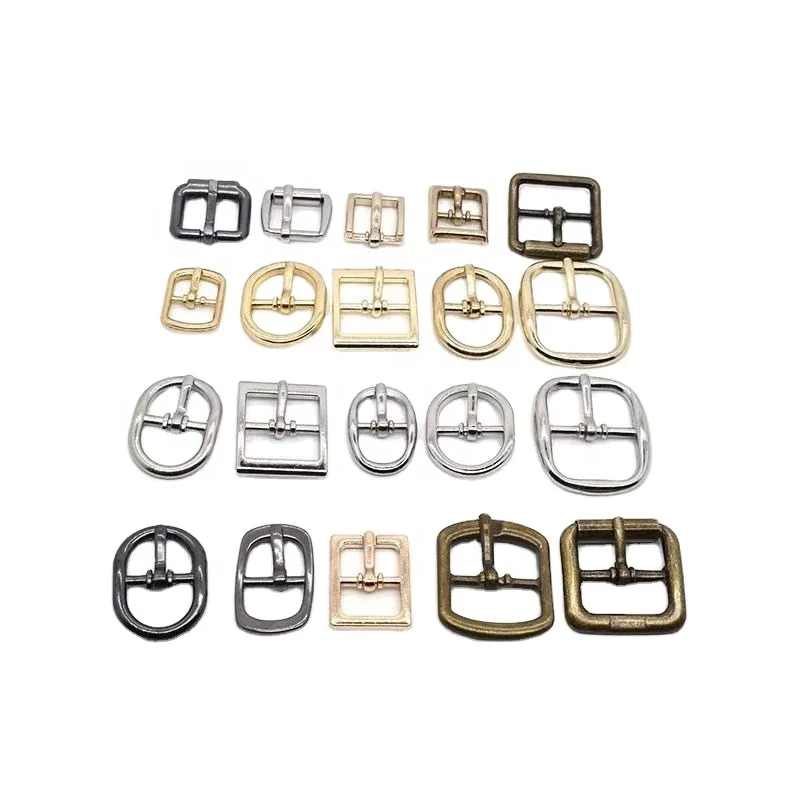
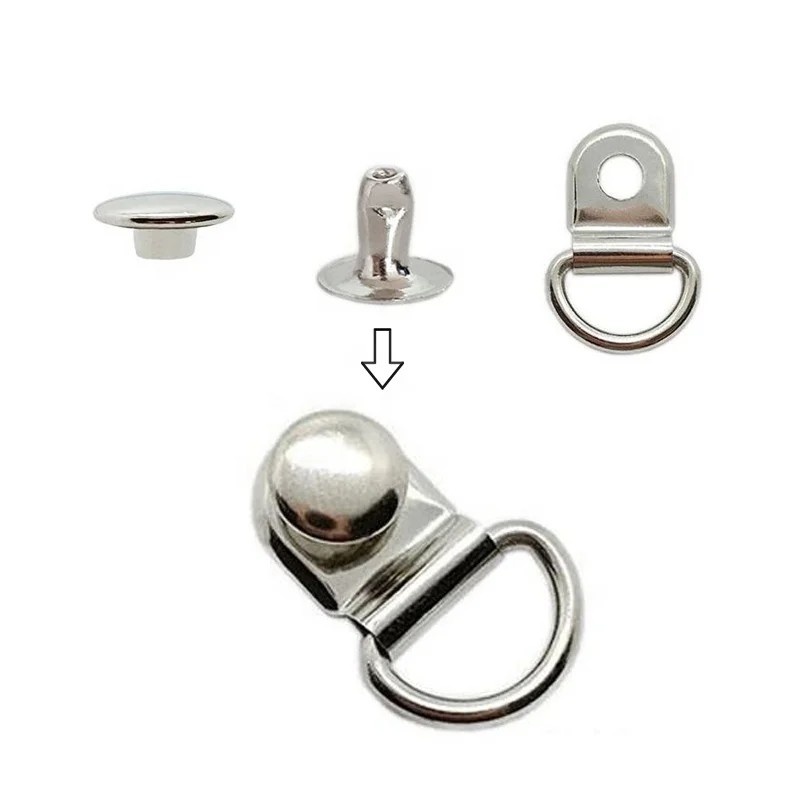
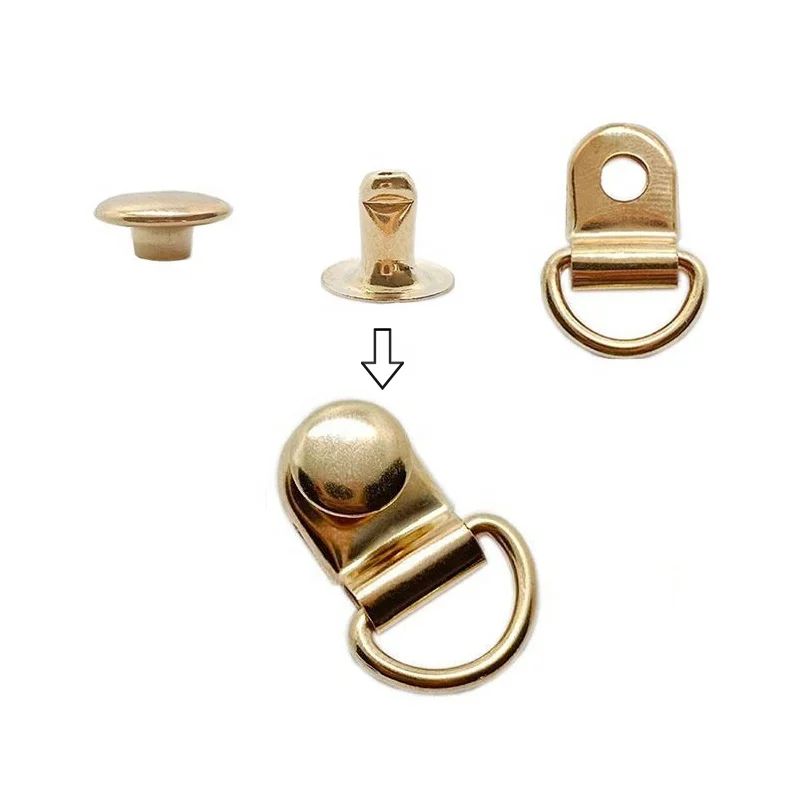
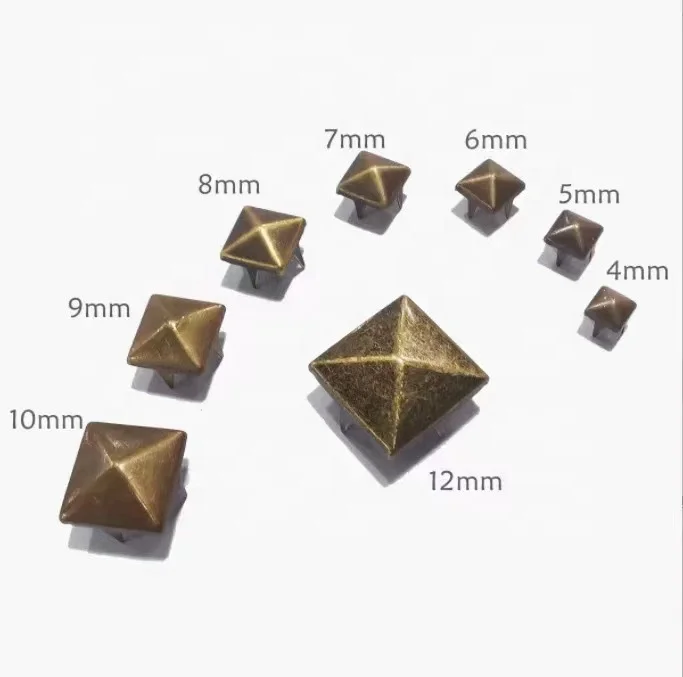
Where a catalogue photograph contains an assortment, identify the particular shape and colour you want. Marking a copy of the image can support the enquiry, but keep the product link and textual description as well. A picture may be resized or viewed on a different screen, so the identifying reference should not depend on the reader recognizing a small coloured shape.
Ask which component a material statement covers
A fitting may contain a frame, pin, bar, swivel or another distinct part. Ask which of those parts is covered by the stated material declaration. Do not assume that a material named in the product title applies to every component, or that the finish process is identical across all components. A simple component list can resolve ambiguity without requiring an elaborate technical document at the first enquiry stage.
If your project requires a particular grade or composition record, identify that requirement explicitly. A generic word such as steel, stainless steel or alloy may not supply the level of detail your purchasing team needs. Request the relevant information for the selected reference and version. Whether a particular document is available and suitable should be confirmed, not inferred from a product photograph.
Keep the evidence linked to the item it describes. A declaration without a recognizable reference, component scope or revision can be hard to apply to the proposed supply. When reviewing a reply, check that the document and quotation refer to the same selected fitting. Resolve any difference before using the information in your own product specification or customer-facing description.
Describe the surface requirement without inventing a process
If you need a particular appearance, explain what you want to compare: colour tone, gloss, texture or consistency between adjacent fittings. Provide a physical reference or clear sample requirement when appearance is important. A photograph is a useful communication aid, but lighting, white balance and screen settings can change its visible colour. Treat it as a reference to discuss, rather than a precise colour standard by itself.
If you require a named process or coating specification, put that requirement on its own line and ask whether it can be confirmed for the selected item. Do not choose a process simply because it seems likely from the colour. The accepted surface specification should state the intended coverage and any relevant conditions, rather than relying on an attractive option name alone.
A mixed hardware range needs an additional question: which items need to look consistent together? A buckle, ring and snap hook can sit beside one another in a finished strap assembly. Identify that group when asking for sample comparison. Do not assume that the same colour label across unrelated references guarantees an identical appearance under every lighting condition.
Define the environment and evidence you need
A colour label is not a corrosion-resistance result. If the intended product will encounter moisture, cleaning products or another relevant condition, describe those conditions and request appropriate supporting information for the selected fitting. Be specific about the intended use and proposed care method. Avoid asking for a universal claim such as suitable for every environment, which is difficult to interpret or verify.
Where a test is required, identify the method, conditions and acceptance criteria relevant to your project and ask what evidence is available. A test name alone may not describe the exposure, duration, sample version or result needed for your decision. Review the scope of any report against the actual selected product. An illustrative image or finish description supplies none of those details.
Material and finish review also should not be confused with load-capacity assessment. A bright surface does not establish mechanical performance, and a base-material name does not establish the capacity of an assembled fitting. If your finished product requires performance evidence, handle that as a separate documented requirement tied to the selected version and application.
Approve a sample for a stated purpose
A sample can help align an appearance discussion, but the approval needs a defined scope. Record the product reference, option name, date or revision and the purpose of the comparison. For example, your team may be reviewing colour and texture while dimensions or documentation remain open. Saying approved without that context can make a partial review look like a complete technical acceptance.
Retain the accepted sample or a clearly identified reference record, and agree how later supply will be compared. If appearance variation matters, request an agreed basis for evaluating it. Do not invent a tolerance from a single sample or assume that a photograph sets an enforceable range. The intended comparison method belongs in the accepted specification.
If a change is proposed after sample review, ask which parts of the earlier approval remain applicable. A different material, process, component or colour option may require further review. Give the revised item its own clear identification, and keep the earlier version in the record. This is especially helpful when a sourcing discussion includes several finishes over multiple messages.
Carry the agreed terminology into your own records
Once the selected item is confirmed, use the same material and appearance terminology in your internal purchasing record. Keep a marketing colour name separate from the technical declaration. If your retail team chooses a simpler display name, retain the supplier reference and accepted specification behind it. This avoids turning a convenient colour label into an unsupported statement about metal content.
Apply the same discipline when a repeat order is discussed. Ask whether the selected version, component declarations and accepted appearance remain applicable. If a process or material change is proposed, record it as a change for review rather than treating the old approval as automatic acceptance. The purpose of the record is continuity: a future buyer should be able to identify exactly what was discussed without guessing from a photograph or a shortened product name.
Use a short, structured finish enquiry
- Identify the product link, reference, form and selected size.
- Copy the actual appearance option name without changing its meaning.
- List required component materials and any grade information needed.
- Describe the surface process requirement if one has been specified.
- Provide the intended environment and any relevant documentation request.
- Explain which sample checks remain open and which are approved.
- State quantity, destination and proposed packing separately.
For a comparison of several fittings, use one row per reference and keep blank fields visible. An empty field marked awaiting confirmation is more useful than a confident guess copied from another item. When the quotation arrives, reconcile the reference, material, appearance and evidence line by line before comparing price or timing.
Browse tack, strap and bag hardware and buckles and strap adjusters to identify your starting references. The samples and custom requests guide explains how to organize a proposed change. Send Relia the selected hardware reference and your required material and finish specification through the contact form, with unresolved points clearly marked for review.